Keeping your heat pump system free from dust is essential for maintaining indoor air quality and ensuring efficient operation. Over time, dust and debris can accumulate in various parts of your HVAC setup, leading to reduced performance, higher energy bills, and even potential health issues. Understanding how to check for dust in a heat pump can help you prevent these problems and extend the lifespan of your system.
Many homeowners overlook regular inspection and cleaning, but even a small buildup of dust can impact airflow and strain the system. This article will walk you through practical steps to identify dust in your heat pump, explain why it matters, and offer tips for ongoing maintenance. If you’re also interested in related maintenance, you may find this guide on how to clean an HRV filter useful for keeping your entire HVAC system in top shape.
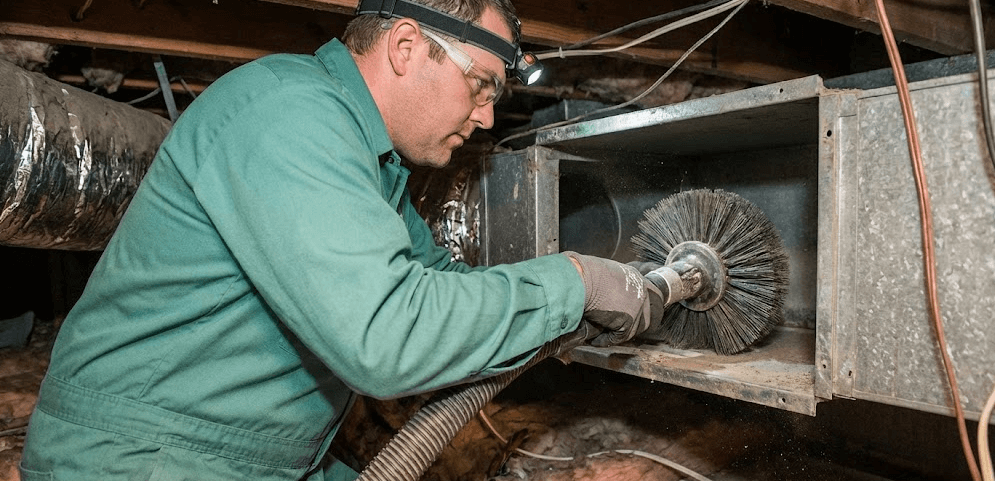
Why Dust Accumulates in Heat Pump Systems
Heat pumps circulate air throughout your home, drawing it in from the environment and pushing it through filters, coils, and ductwork. Over time, dust particles, pet dander, pollen, and other debris can settle in these areas. Factors that contribute to dust buildup include:
- High indoor traffic and open windows
- Poorly sealed ductwork or vents
- Infrequent filter changes
- Nearby construction or renovation activities
When dust accumulates, it can clog filters, coat coils, and settle in air ducts. This not only reduces system efficiency but can also recirculate allergens and irritants throughout your home.
Signs Your Heat Pump May Have Dust Buildup
Before diving into inspection steps, it’s helpful to recognize common indicators of dust in your system. Watch for these warning signs:
- Reduced airflow from vents or registers
- Visible dust or debris around vents and returns
- Unusual odors when the system is running
- Increased allergy symptoms among household members
- Higher than normal energy bills
If you notice any of these issues, it’s time to investigate further and check for dust inside your heat pump components.
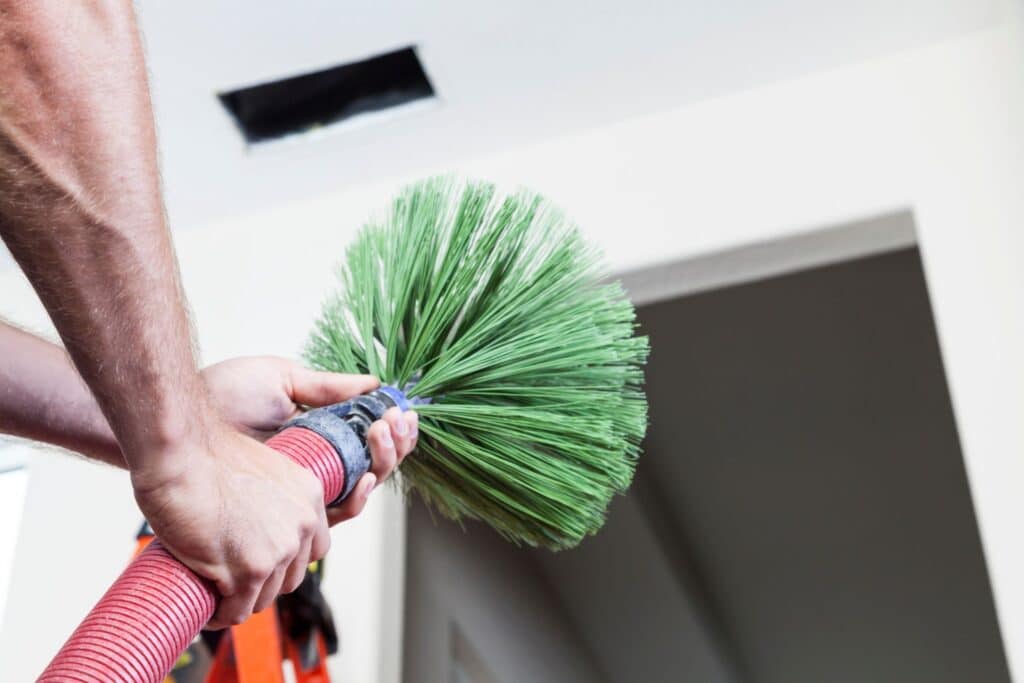
Step-by-Step Guide: Inspecting for Dust in Your Heat Pump
Learning how to check for dust in a heat pump involves a few straightforward steps. Always turn off the system before inspecting or cleaning any components. Here’s how to proceed:
-
Check Air Filters
- Locate the return air filter, usually found behind a grille or inside the air handler.
- Remove the filter and hold it up to the light. If you can’t see through it, it’s clogged with dust and needs replacement.
- Replace disposable filters or clean reusable ones according to manufacturer instructions.
-
Inspect Supply and Return Vents
- Look for visible dust buildup on vent covers and surrounding walls.
- Remove vent covers and use a flashlight to check for dust inside the duct opening.
- Wipe down vent covers with a damp cloth and vacuum around the openings.
-
Examine the Indoor Coil
- Access the indoor unit (air handler) and locate the evaporator coil.
- Check for dust or dirt on the coil fins. A buildup can restrict airflow and reduce efficiency.
- If you see significant dust, consider professional cleaning to avoid damaging the coil.
-
Look Inside the Ductwork
- Shine a flashlight into the ductwork through vent openings.
- If you see thick dust layers or debris, your ducts may need cleaning.
- For more thorough inspection, a professional can use cameras to check deep inside the ducts.
For more detailed cleaning tips, you can also refer to this article on how to clean a multi zone HVAC system.
When to Consider Professional Duct Cleaning
While routine filter changes and vent cleaning are manageable for most homeowners, sometimes professional help is necessary. You should consider hiring a duct cleaning service if:
- You notice persistent dust despite regular cleaning
- There is visible mold growth inside ducts or on components
- Debris from renovations or pests is present in the system
- Family members experience ongoing allergy or respiratory issues
The EPA provides guidance on when duct cleaning is recommended and what to expect from a reputable service provider.

Preventing Dust Buildup in Your Heat Pump
Once you’ve checked and cleaned your system, ongoing maintenance is key to preventing future dust problems. Here are some practical tips:
- Change filters regularly—every 1-3 months, or as recommended by the manufacturer.
- Keep vents and registers clear of furniture, rugs, and drapes.
- Seal ductwork leaks to prevent dust from entering the system.
- Vacuum and dust your home frequently, especially in high-traffic areas.
- Schedule annual professional maintenance for your heat pump.
For specific cleaning scenarios, such as dealing with soot or construction dust, you might find this guide on how to remove charcoal dust from vents helpful.
Frequently Asked Questions
How often should I check my heat pump for dust?
Inspect your filters and vents at least once a month, especially during peak heating or cooling seasons. If you have pets, allergies, or live in a dusty area, more frequent checks are recommended.
Can dust in my heat pump cause health problems?
Yes, dust buildup can circulate allergens, mold spores, and other irritants throughout your home. This may worsen allergy or asthma symptoms and reduce overall indoor air quality.
Is it safe to clean the inside of my heat pump myself?
You can safely replace filters and clean vent covers, but internal components like coils and deep ductwork are best handled by professionals to avoid damage or voiding warranties.