Dead spots in ductwork can lead to uneven heating or cooling, higher energy bills, and discomfort in your home or business. These problem areas occur when air fails to circulate properly through certain sections of your HVAC system, leaving rooms stuffy or drafty. Understanding how to identify dead spots in ductwork is essential for maintaining efficient airflow and a comfortable indoor environment.
This guide will walk you through the signs of airflow issues, practical methods for locating dead spots, and proven solutions for restoring balanced air distribution. If you’re interested in related maintenance, you might also want to learn how to clean an HRV filter to ensure your ventilation system runs smoothly.
Understanding Dead Spots and Their Impact
Dead spots, sometimes called stagnant zones, are areas in your ductwork where air movement is significantly reduced or nonexistent. These zones can cause:
- Uneven temperatures between rooms
- Increased dust accumulation
- Reduced HVAC efficiency
- Higher energy consumption
Identifying and addressing these issues promptly helps maintain indoor comfort and extends the life of your HVAC system.
Common Causes of Poor Airflow in Ducts
Several factors can contribute to airflow problems and the development of dead spots:
- Improper duct design: Sharp bends, long runs, or undersized ducts can restrict air movement.
- Obstructions: Debris, dust, or even collapsed duct sections can block airflow.
- Leaky ducts: Gaps or holes allow air to escape before reaching intended rooms.
- Closed or blocked vents: Furniture or objects placed over vents prevent air from circulating.
- Dirty filters: Clogged filters reduce the volume of air entering the ductwork.
Addressing these root causes is key to restoring proper air circulation and eliminating stagnant zones.
How to Spot Signs of Dead Spots in Your HVAC System
Recognizing the symptoms of airflow issues is the first step in resolving them. Look for these warning signs:
- Some rooms feel consistently warmer or cooler than others
- Weak or no airflow from certain vents
- Unusual noises, such as whistling or rattling, from ducts
- Visible dust buildup around vents or registers
- Persistent odors in specific areas
If you notice any of these issues, it’s time to investigate further to pinpoint the exact location of the problem.
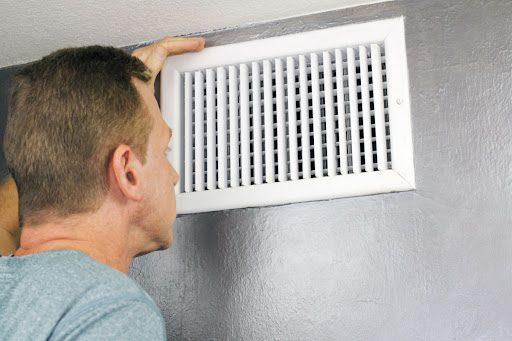
Step-by-Step Guide: How to Identify Dead Spots in Ductwork
Locating stagnant zones in your duct system involves a combination of observation, measurement, and sometimes professional tools. Here’s a practical approach:
-
Check Airflow at Each Vent
- Turn on your HVAC system and set it to fan mode.
- Place your hand or a lightweight tissue near each vent to feel for airflow.
- Mark any vents with noticeably weaker or no airflow.
-
Measure Temperature Differences
- Use a digital thermometer to compare temperatures in different rooms.
- Significant differences may indicate a dead spot or blocked duct.
-
Inspect Ductwork for Visible Issues
- Look for disconnected, crushed, or sagging duct sections in accessible areas like attics or basements.
- Check for visible gaps, holes, or insulation problems.
-
Use Smoke or Incense
- Hold a stick of incense or a smoke pencil near vents and duct joints.
- Observe the smoke’s movement to detect leaks or stagnant air.
-
Consider Professional Testing
- HVAC professionals use tools like anemometers and pressure gauges for precise airflow measurements.
- They can perform duct leakage tests and recommend targeted solutions.
For more advanced cleaning and maintenance tips, see our guide on how to clean a multi zone HVAC system.
Effective Solutions for Fixing Dead Spots
Once you’ve found the problem areas, several strategies can help restore balanced airflow:
- Remove Obstructions: Clear away furniture, rugs, or other items blocking vents and registers.
- Seal Leaks: Use mastic sealant or HVAC tape to close gaps and holes in ductwork.
- Repair or Replace Damaged Sections: Fix crushed or disconnected ducts to restore proper air movement.
- Adjust Dampers: Many systems have manual dampers in the ducts. Adjust these to balance airflow between rooms.
- Clean Ducts and Filters: Dust and debris can restrict airflow. Regular cleaning is essential. For tips, check out the best way to clean air ducts for a healthier system.
- Upgrade Air Filters: High-efficiency filters, such as HEPA, can improve air quality and system performance.
- Consult a Professional: If problems persist, an HVAC technician can assess your system and recommend upgrades or redesigns.
Preventing Future Airflow Issues
Regular maintenance and smart design choices can help prevent dead spots from forming in the first place:
- Schedule annual HVAC inspections and cleanings
- Replace air filters every 1–3 months, or as recommended
- Keep vents and registers free from obstructions
- Seal and insulate ductwork, especially in unconditioned spaces
- Consider professional duct design if renovating or expanding your system
Staying proactive with these steps ensures your system delivers even, efficient airflow year-round.
Related Maintenance Resources
For those tackling other HVAC or ductwork concerns, you might find these resources helpful:
- How to remove charcoal dust from vents after a leak
- How to check for dust in a heat pump system
- How to clean a wood stove vent safely
Frequently Asked Questions
What are the most common signs of dead spots in ductwork?
Typical indicators include uneven room temperatures, weak airflow from certain vents, and increased dust accumulation in specific areas. You may also notice persistent odors or unusual noises coming from your ducts.
Can I fix airflow problems in my ducts myself?
Many minor issues, such as clearing vent obstructions, sealing small leaks, or replacing filters, can be handled by homeowners. However, if you suspect major design flaws or significant damage, it’s best to consult an HVAC professional for a thorough assessment.
How often should I inspect my ductwork for airflow issues?
It’s a good idea to check your ducts at least once a year, ideally before peak heating or cooling seasons. Regular inspections help catch problems early and keep your system running efficiently.