Charcoal dust leaks in ventilation systems can create a persistent mess, affecting indoor air quality and potentially causing respiratory issues. Whether the leak was due to a malfunctioning filter, a broken air purifier, or another source, it’s essential to address the problem quickly and thoroughly. This guide explains how to remove charcoal dust from vents after a leak, covering the necessary steps, recommended tools, and best practices to restore clean, healthy airflow in your home or business.
Before you begin, it’s important to understand the risks associated with charcoal dust. Fine particles can circulate throughout your HVAC system, settle on surfaces, and even trigger allergies or asthma. Acting promptly not only improves air quality but also prevents further contamination of your ductwork and living spaces.
If you’re also dealing with other types of black dust or want to learn more about related issues, check out our detailed resource on how to identify black dust around vents for further guidance.
Understanding Charcoal Dust Leaks in Ventilation Systems
Charcoal dust leaks often occur when a carbon filter or air purifier malfunctions, ruptures, or is installed incorrectly. The fine black particles are then drawn into the ductwork, spreading throughout the system and depositing on vent covers, registers, and even furniture. In some cases, the leak may go unnoticed until visible black dust appears around vents or there’s a noticeable decline in air quality.
Common causes of charcoal dust leaks include:
- Improper installation or maintenance of carbon filters
- Physical damage to air purifiers or filter housings
- Using incompatible filter types for your HVAC system
- Exceeding recommended filter replacement intervals
Recognizing the source of the leak is the first step in preventing future incidents and ensuring a thorough cleanup.
Essential Tools and Safety Precautions for Cleaning Charcoal Dust
Before tackling the cleanup, gather the right equipment to protect yourself and achieve the best results. Charcoal dust is extremely fine, so standard household cleaning methods may not be sufficient. Here’s what you’ll need:
- HEPA-filtered vacuum – Captures fine particles without recirculating them
- Microfiber cloths or electrostatic dusters
- Disposable gloves and a high-quality dust mask or respirator
- Protective eyewear
- Replacement HVAC filters (preferably HEPA-rated)
- Optional: HEPA air scrubber for large or severe leaks
Always turn off your HVAC system before starting the cleaning process to prevent further spread of dust. Wear protective gear to avoid inhaling particles or getting them in your eyes. If the leak is extensive or you have health concerns, consider hiring a professional duct cleaning service.
Step-by-Step Process for Removing Charcoal Dust From Vents
Follow these steps to effectively remove charcoal dust from your vents and ductwork:
-
Turn Off the HVAC System
Shut down your heating or cooling system to prevent further circulation of dust. This includes turning off any fans or air purifiers connected to the ductwork.
-
Remove and Clean Vent Covers
Unscrew and carefully remove all vent covers and registers. Take them outside if possible and use a HEPA vacuum to remove loose dust. Wash the covers with warm, soapy water, then let them dry completely before reinstalling.
-
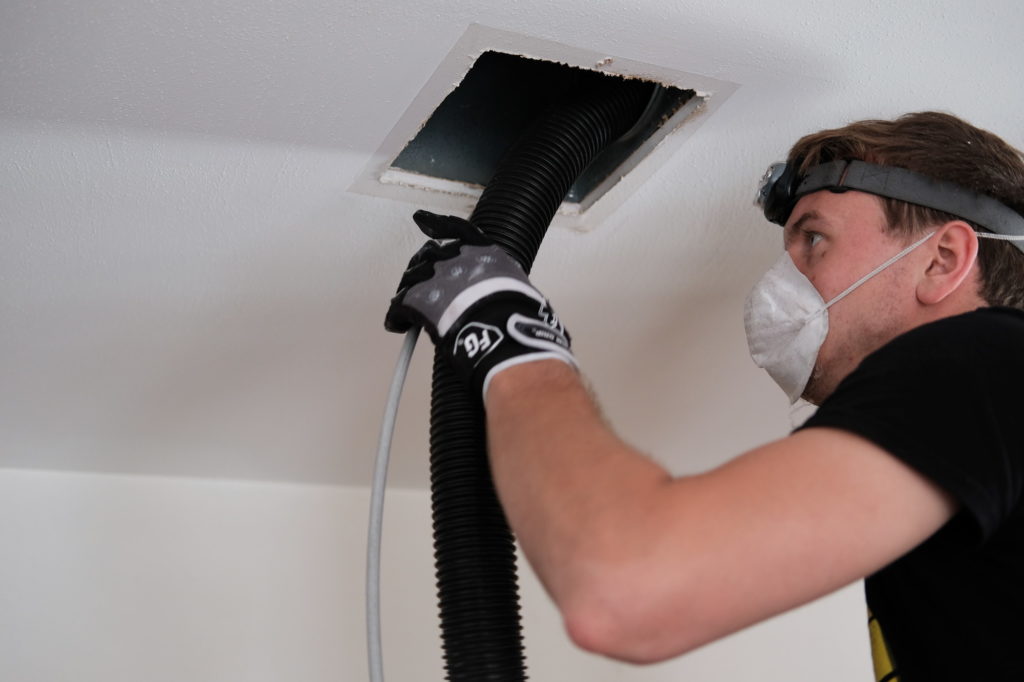
Vacuum Inside the Ducts
Using a vacuum with a HEPA filter, gently clean the inside of the accessible duct openings. Use a long, flexible hose attachment to reach as far as possible. Avoid using standard vacuums, as they may not trap fine charcoal particles effectively.
-
Wipe Down Surfaces
Use a damp microfiber cloth or electrostatic duster to wipe down the inside edges of the ducts, as well as surrounding walls and floors. This helps capture any remaining dust that vacuuming may have missed.
-
Replace HVAC Filters
Remove the old filter and insert a new, high-efficiency filter (preferably HEPA-rated) to prevent any residual dust from recirculating. Check the manufacturer’s recommendations for your system.
-
Run an Air Scrubber (Optional)
If the leak was severe or you notice lingering dust in the air, consider running a HEPA air scrubber for several hours to capture airborne particles.
For a more detailed breakdown of duct cleaning, you may find this step-by-step guide to cleaning heating and air conditioning ducts helpful.
Tips for Preventing Charcoal Dust Leaks in the Future
Once you’ve cleaned up, take steps to prevent another incident. Here are some practical tips:
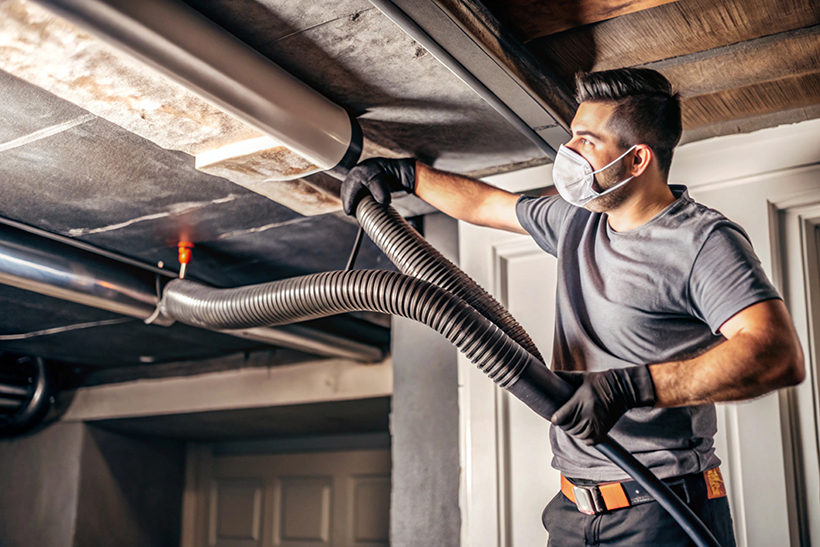
- Inspect and replace carbon filters regularly, following manufacturer guidelines
- Ensure all filters are compatible with your HVAC system and installed correctly
- Schedule periodic professional inspections of your ductwork and filtration systems
- Consider upgrading to higher-quality filters or air purifiers with secure housings
- Monitor for signs of black dust or reduced airflow, and address issues promptly
If you use a wood stove or have other sources of particulate matter, see our advice on how to clean a wood stove vent for additional safety tips.
When to Call a Professional for Duct Cleaning
While many homeowners can handle minor charcoal dust leaks, there are situations where professional help is recommended:
- The leak is extensive, affecting multiple rooms or large sections of ductwork
- You or your family members have respiratory sensitivities or allergies
- There is visible dust buildup deep inside the ducts that you cannot reach
- You lack the proper equipment, such as a HEPA vacuum or air scrubber
Professional duct cleaning services have specialized tools and expertise to ensure a thorough job. They can also inspect for underlying issues that may have caused the leak, such as damaged filters or improper installation.
If you have a multi-zone system or a condo air exchange, you may benefit from our guides on how to clean a multi zone HVAC system and how to clean a condo air exchange system for system-specific advice.
Frequently Asked Questions
Can I use a regular household vacuum to clean charcoal dust from vents?
It’s not recommended. Standard vacuums often lack the filtration needed to trap fine charcoal particles, which can end up being blown back into the air. Always use a HEPA-filtered vacuum for this type of cleanup to ensure dust is fully contained.
How do I know if all the charcoal dust has been removed?
After cleaning, check vent covers, nearby surfaces, and the interior of accessible ducts for any remaining black residue. If you notice persistent dust or a musty smell, consider running a HEPA air scrubber or contacting a professional for a more thorough inspection.
Is it safe to run my HVAC system after a charcoal dust leak?
Only restart your system after you’ve cleaned all affected areas and replaced the filters. Running the system too soon can recirculate dust throughout your home. If in doubt, have a professional inspect your system before turning it back on.
What should I do if I keep finding black dust after cleaning?
Repeated black dust may indicate a lingering leak, damaged filter, or another source of contamination. Double-check all filters and consider a professional duct cleaning to address hidden buildup or system issues.
Conclusion
Addressing a charcoal dust leak in your vents requires prompt action, the right tools, and careful attention to detail. By following the steps outlined above, you can restore clean airflow, protect your indoor air quality, and prevent future problems. For persistent or severe cases, don’t hesitate to seek professional assistance. Keeping your HVAC system well-maintained and using high-quality filters are the best ways to ensure your home stays dust-free and healthy.