Maintaining a clean air exchange system in your condo is essential for healthy indoor air quality, energy efficiency, and the longevity of your HVAC equipment. Over time, dust, pet dander, and other airborne particles accumulate in the system, reducing its effectiveness and potentially circulating allergens throughout your living space. Understanding how to clean a condo air exchange system properly can help prevent these issues and ensure your home remains comfortable and safe.
Many condo owners overlook this important maintenance task, assuming that regular filter changes are sufficient. However, a thorough cleaning involves more than just swapping out filters. It requires attention to the intake and exhaust vents, ductwork, fans, and heat recovery or energy recovery components. This guide covers the practical steps, tools, and tips needed to keep your air exchange system running efficiently.
If you’re also concerned about other sources of indoor air contamination, such as lint buildup in laundry ducts, you may find it helpful to read our article on how to remove lint from laundry ducts for additional fire safety tips.
Why Regular Cleaning of Condo Air Exchangers Matters
Air exchange systems, often called HRVs (Heat Recovery Ventilators) or ERVs (Energy Recovery Ventilators), are designed to bring fresh air into your condo while exhausting stale air outside. Over time, dust and debris can clog the filters, vents, and internal components, leading to:
- Reduced air quality due to recirculation of dust, pollen, and other allergens
- Decreased system efficiency, resulting in higher energy bills
- Potential mold growth in damp or dirty components
- Shortened equipment lifespan from overworked fans and motors
Regular maintenance is especially important in condos, where space is limited and ventilation is crucial for comfort and safety. Keeping your system clean ensures you get the most out of your investment and helps prevent unexpected breakdowns.
Essential Tools and Supplies for Cleaning
Before starting, gather the following items to make the process more efficient:
- Vacuum cleaner with hose and brush attachment
- Soft-bristled brush or microfiber cloths
- Mild detergent or specialized HVAC cleaning solution
- Replacement filters (as recommended by the manufacturer)
- Screwdriver (for opening access panels)
- Protective gloves and a dust mask
If you want to further improve your indoor air quality, consider using a HEPA air scrubber during or after cleaning to capture any particles that become airborne.
Step-by-Step Guide: Cleaning Your Condo Air Exchange System
Follow these steps to ensure a thorough and safe cleaning process:
1. Turn Off the System
Always power down your air exchange unit before cleaning. This prevents accidental injury and stops dust from circulating while you work.
2. Remove and Clean Filters
Open the access panel to locate the intake and exhaust filters. Remove them carefully and vacuum away loose dust. Wash reusable filters with mild detergent and warm water, then let them dry completely before reinstalling. Replace disposable filters as needed.
3. Clean the Intake and Exhaust Vents
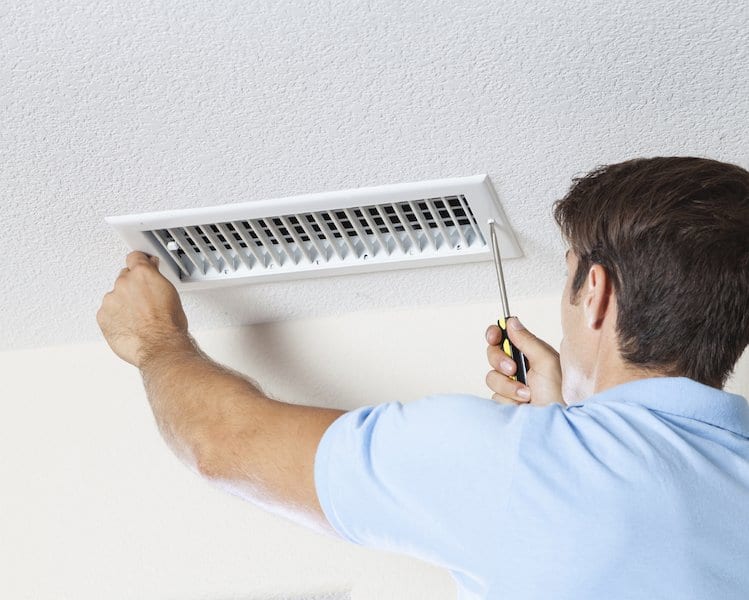
Use a vacuum with a brush attachment to remove dust from vent covers and surrounding wall or ceiling areas. For stubborn buildup, gently scrub with a damp cloth. If you notice black dust or discoloration, you may want to learn more about how to identify black dust around vents and its causes.
4. Inspect and Wipe Down the Core
Most air exchangers have a core (either heat or energy recovery) that can be slid out for cleaning. Follow the manufacturer’s instructions to remove it. Rinse the core with warm water or wipe it with a damp cloth. Allow it to dry fully before reinstalling to prevent mold growth.
5. Vacuum the Ductwork and Fan Blades
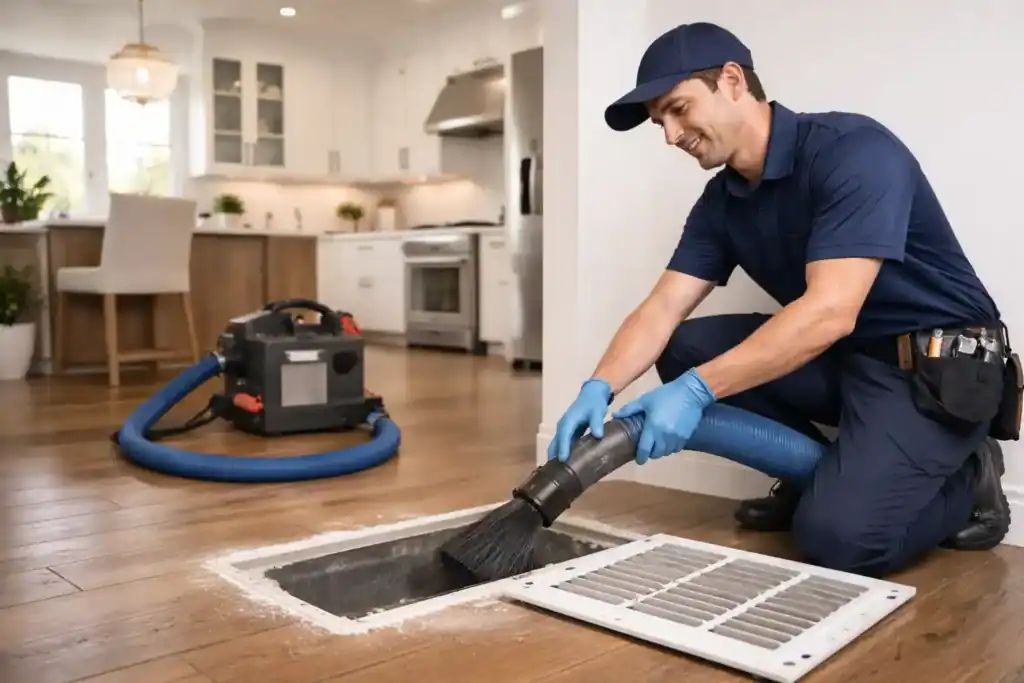
Carefully vacuum inside accessible ductwork and around fan blades. Use a soft brush to dislodge dust from hard-to-reach areas. Avoid using excessive force, as this can damage delicate components.
6. Reassemble and Test the System
Once all components are clean and dry, reassemble the unit. Restore power and run the system to ensure it operates smoothly. Listen for unusual noises and check airflow at the vents.
How Often Should You Clean Your Air Exchange System?
For most condos, a thorough cleaning every 6 to 12 months is recommended. However, if you have pets, allergies, or live in an area with high outdoor pollution, more frequent maintenance may be necessary. Always check the manufacturer’s guidelines for your specific model.
In addition to routine cleaning, replace filters every three months or as needed. If you notice persistent odors, visible dust buildup, or reduced airflow, it may be time for a deeper clean or professional inspection.
Professional vs. DIY Cleaning: What’s Best?
While many condo owners can handle basic maintenance, certain situations call for professional help. If your system is difficult to access, has extensive ductwork, or shows signs of mold or heavy contamination, a certified technician can provide a more thorough cleaning. Professionals use specialized equipment, such as negative air machines and rotary brushes, to reach areas that are challenging for DIYers.
For a detailed overview of advanced cleaning techniques, you can refer to resources like this guide to cleaning air ducts, which covers both residential and multi-unit systems.
Tips for Maintaining a Clean and Efficient System
- Check and replace filters regularly to prevent clogs and maintain airflow.
- Keep intake and exhaust vents clear of obstructions, such as furniture or drapes.
- Inspect for signs of moisture or mold, especially after heavy rain or humidity spikes.
- Schedule annual professional inspections to catch issues early.
- Consider using a HEPA air scrubber during renovations or after construction to capture fine dust particles.
If you’re interested in comparing cleaning methods for other types of ventilation, our article on how to clean a mini split head vs ducts provides insight into the differences between ducted and ductless systems.
Frequently Asked Questions
How do I know if my condo air exchanger needs cleaning?
Common signs include reduced airflow, persistent dust or odors, increased allergy symptoms, or visible dirt on vents and filters. If you notice any of these, it’s time to inspect and clean your system.
Can I use household cleaners on my air exchange system?
It’s best to use mild detergent or cleaners specifically designed for HVAC systems. Harsh chemicals can damage sensitive components and leave harmful residues.
Is it safe to clean the system myself, or should I hire a professional?
Basic cleaning, such as filter replacement and vent dusting, can be done by most condo owners. However, for deep cleaning, mold issues, or hard-to-reach ductwork, hiring a professional is recommended for safety and effectiveness.
Conclusion
Properly maintaining your condo’s air exchange system is crucial for healthy living and efficient operation. By following these practical steps, you can ensure your system remains clean, effective, and long-lasting. Regular attention to filters, vents, and internal components will help you avoid costly repairs and keep your indoor air fresh year-round. For more tips on maintaining your home’s ventilation, explore our guides on removing scale from metal ducts and cleaning a whole house fan for fresh airflow.