Noticing dark particles or streaks near your air vents can be concerning. While it may look harmless, black dust around vents often signals underlying issues with your HVAC system, air quality, or even building materials. Understanding what this residue is, how to spot it, and what causes it is essential for maintaining a healthy indoor environment and preventing further complications.
This guide will walk you through the process of recognizing black dust, explore the most common sources, and provide practical steps for addressing the problem. If you’re also dealing with other HVAC maintenance issues, you might find our article on how to remove scale from metal ducts helpful as well.
Recognizing Black Dust Near Air Vents
Identifying black dust is the first step toward solving the problem. This substance typically appears as fine, dark powder or soot-like residue collecting on vent covers, surrounding walls, or even on furniture near supply and return registers. It may be more noticeable on white or light-colored surfaces, but it can accumulate anywhere air is circulated.
- Texture: Fine, powdery, or slightly greasy to the touch.
- Color: Ranges from dark gray to jet black.
- Location: Most often found on vent grilles, ceiling tiles, and adjacent wall areas.
- Spread: May be patchy or form streaks radiating from vents.
Unlike regular household dust, this dark residue is often more stubborn and may reappear quickly after cleaning, indicating an ongoing source.
Main Causes of Black Dust Around Vents
There are several reasons why you might see black dust in and around your HVAC vents. Understanding these causes is crucial for effective remediation.
1. Soot from Candles, Fireplaces, or Smoking
Burning candles—especially scented or colored varieties—can release soot particles that travel through your home’s air system. Similarly, fireplaces and tobacco smoke contribute to airborne particulates that settle near vents. If you notice black streaks after frequent candle use or during the heating season, soot is a likely culprit.
2. Mold Growth in Ductwork
Moisture inside ducts creates an ideal environment for mold. Mold spores can appear as black or dark green dust and pose health risks, especially for those with allergies or respiratory conditions. If the residue is accompanied by a musty odor or you see fuzzy patches, mold contamination should be suspected.
For more on moisture-related duct issues, see our resource on signs of moisture in air ducts.
3. Dirty or Failing HVAC Filters
When air filters are clogged or of poor quality, they fail to trap fine particles. This allows dust, soot, and other contaminants to circulate and collect around vents. Regularly replacing or upgrading to a HEPA filter can significantly reduce black dust buildup.
4. Ductwork Contamination and Leaks
Leaky ducts can draw in attic or crawlspace dust, insulation fibers, and other debris. Over time, these contaminants are deposited at vent openings. Ducts that haven’t been cleaned in years are especially prone to this problem.

5. Microbial Growth and “Dirty Sock Syndrome”
Sometimes, black dust is related to microbial growth on the evaporator coil or inside the air handler. This can produce not only dark residue but also unpleasant odors. Regular coil cleaning and maintenance are essential to prevent this issue.
How to Inspect and Diagnose Black Dust Issues
Once you’ve noticed black dust, a systematic inspection can help pinpoint the source:
- Turn off your HVAC system and remove vent covers for closer examination.
- Check for visible mold or moisture inside the duct opening.
- Inspect air filters for excessive dirt or discoloration.
- Look for soot stains on walls, ceilings, or near candles/fireplaces.
- Assess humidity levels in your home, as high humidity promotes mold growth.
If you’re unsure, consider hiring a professional for duct inspection and air quality testing. They can identify contaminants and recommend targeted solutions.
Effective Solutions for Black Dust Problems
Addressing black dust requires both immediate cleaning and long-term prevention. Here are some practical steps:
Clean Vents and Ducts Thoroughly
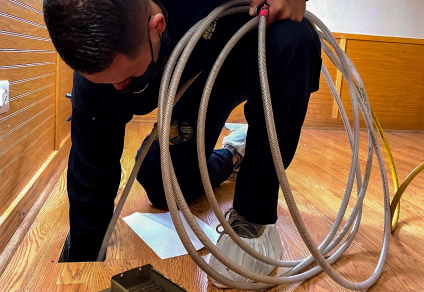
Remove vent covers and wash them with soap and water. For deeper cleaning, consider professional duct cleaning services. For those interested in a DIY approach, this guide to cleaning your own air ducts provides step-by-step instructions.
Upgrade Your Air Filtration
Replace standard filters with high-efficiency options such as HEPA filters. These trap finer particles and reduce the amount of dust and soot circulating through your home.
Control Humidity and Prevent Mold
Keep indoor humidity below 50% using dehumidifiers or your HVAC system’s built-in controls. Promptly address any leaks or condensation in ductwork to prevent mold growth.
Reduce Soot and Particulate Sources
Limit the use of candles, especially those that produce visible smoke. Ensure fireplaces are properly vented and avoid indoor smoking to minimize airborne soot.
Seal and Maintain Ductwork
Have your ducts inspected for leaks and gaps. Sealing ductwork prevents the infiltration of dust from attics or crawlspaces and improves overall air quality.
Prevention Tips for a Cleaner HVAC System
- Change air filters every 1–3 months, or as recommended by the manufacturer.
- Schedule annual HVAC maintenance to catch issues early.
- Keep vents and registers clean and unobstructed.
- Address any signs of excess moisture or mold immediately.
- Consider using an air scrubber or purifier for added protection, especially if you have allergies or respiratory concerns.
If you’re interested in other cleaning tips, our article on how to clean a whole house fan offers additional advice for improving indoor air quality.
Frequently Asked Questions
Is black dust around vents dangerous?
Black dust can be harmless household debris, but it may also indicate mold, soot, or other contaminants that can affect indoor air quality. If you notice persistent black dust, especially with odors or health symptoms, it’s best to have your system inspected.
How often should I clean my air ducts to prevent black dust?
Most experts recommend professional duct cleaning every 3–5 years, or more frequently if you notice visible dust, mold, or have pets and allergies. Regular filter changes and routine maintenance also help minimize buildup.
Can I remove black dust from vents myself?
You can clean vent covers and replace filters yourself. For deeper duct cleaning or if you suspect mold, it’s safer to hire a professional with the right equipment and expertise.
Conclusion
Spotting black dust near your vents is a sign that your HVAC system or indoor air quality needs attention. By learning how to identify black dust around vents and understanding its causes, you can take effective steps to resolve the issue and prevent it from returning. Regular maintenance, proper filtration, and addressing sources of soot or moisture are key to keeping your home’s air clean and healthy.