Keeping your laundry ducts clean is a crucial step in maintaining home safety and preventing fire hazards. Over time, lint and debris accumulate inside dryer vents and ducts, restricting airflow and increasing the risk of overheating. According to fire safety experts, thousands of house fires each year are caused by clogged dryer vents. Knowing how to remove lint from laundry ducts not only helps protect your property but also improves dryer efficiency and reduces energy costs.
Routine duct maintenance is often overlooked, yet it’s one of the most effective ways to ensure your laundry appliances operate safely. In this guide, you’ll find practical steps for cleaning lint from your dryer ductwork, tips for recognizing warning signs, and advice on when to call in professionals. If you’re interested in related maintenance, you may also want to learn about how to remove scale from metal ducts for comprehensive duct care.

Why Lint Buildup in Dryer Ducts Is a Serious Hazard
Lint is highly flammable, and when it collects inside laundry ducts, it can easily ignite from the heat produced by your dryer. Even a small blockage can cause the appliance to overheat, creating a dangerous situation. Beyond fire risk, excessive lint can also lead to longer drying times, increased wear on your dryer, and higher utility bills.
Some common signs that your ducts may be clogged include:
- Clothes taking longer than usual to dry
- Burning smell during or after drying cycles
- Visible lint around the dryer vent opening
- Excessive heat in the laundry area
If you notice any of these symptoms, it’s time to address the issue before it escalates.
Essential Tools and Supplies for Cleaning Laundry Ducts
Before starting the cleaning process, gather the necessary tools to ensure a thorough job. Here’s what you’ll need:
- Vacuum cleaner with hose attachment
- Dryer vent cleaning brush or flexible duct brush
- Screwdriver (usually Phillips head)
- Microfiber cloths or rags
- Protective gloves and dust mask
- Flashlight for inspecting inside the duct
Optional but recommended: a HEPA air scrubber to help capture airborne particles during cleaning. For those interested, you can Buy HEPA Air Scrubber for improved air quality during and after duct maintenance.
Step-By-Step Instructions for Removing Lint From Laundry Ducts
Follow these steps to safely and effectively clear lint from your dryer ducts:
-
Unplug the Dryer and Move It Away from the Wall
Always disconnect the power before starting. If you have a gas dryer, turn off the gas supply as well. Carefully slide the dryer away from the wall to access the vent duct. -
Disconnect the Duct from the Dryer
Use a screwdriver to loosen the clamp or remove screws holding the duct in place. Gently pull the duct off the back of the dryer. -
Remove Lint from the Duct
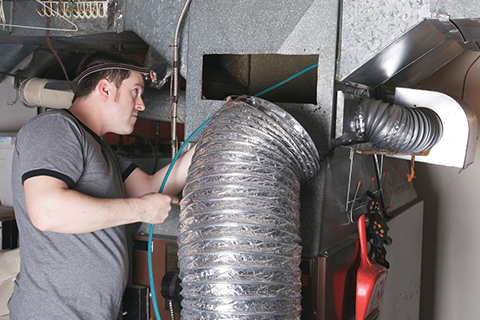
Insert the dryer vent cleaning brush or flexible duct brush into the duct. Rotate and push the brush through the entire length, pulling out lint as you go. For long ducts, you may need to clean from both ends. -
Vacuum Out Remaining Debris
Use a vacuum cleaner with a hose attachment to remove any remaining lint and dust from inside the duct and around the vent opening. -
Clean the Vent Cap Outside
Locate the exterior vent cap. Remove any visible lint and debris. Ensure the flap opens and closes freely. -
Reattach the Duct and Restore Power
Secure the duct back onto the dryer and the wall or floor vent. Tighten clamps or screws. Slide the dryer back into place and plug it in (or restore gas supply). -
Test the Dryer
Run the dryer on a short cycle to ensure proper airflow and check for any leaks or issues.
Tips for Maintaining Clean Dryer Ducts and Preventing Lint Buildup
Regular maintenance is key to keeping your laundry ducts free of lint and reducing fire risks. Here are some best practices:
- Clean the lint filter after every drying cycle
- Inspect and clean the duct at least once a year, or more often if you do frequent laundry
- Check the exterior vent cap regularly for blockages
- Avoid using plastic or foil accordion-style ducts, which can trap lint more easily; opt for rigid or semi-rigid metal ducts
- Keep the area around your dryer clean and free of clutter
If you notice persistent issues, such as recurring clogs or excessive moisture, you may want to read about signs of moisture in air ducts to address underlying problems.
When to Call a Professional for Laundry Duct Cleaning
While many homeowners can handle basic duct cleaning, some situations require professional help. Consider hiring an expert if:
- The ductwork is long, has multiple bends, or is difficult to access
- You notice mold, water damage, or a persistent burning smell
- Lint buildup returns quickly after cleaning
- You’re unsure about disconnecting or reassembling the duct safely
A professional service will have specialized tools and experience to thoroughly clear blockages and inspect for hidden hazards. For more information about DIY duct cleaning, see this comprehensive guide to cleaning air ducts yourself.
Other Related Duct Maintenance Topics
Proper dryer duct cleaning is just one aspect of maintaining healthy indoor air and safe appliances. If you’re interested in other ventilation and ductwork topics, you might find these resources helpful:
- Learn how to clean a whole house fan for better airflow throughout your home.
- Discover how to clean a portable heater vent to keep your heating appliances running safely.
- Explore how to clean a heat recovery ventilator for improved air quality and energy efficiency.
Frequently Asked Questions
How often should I clean my laundry ducts?
It’s recommended to clean your dryer ducts at least once a year. However, if you do laundry frequently, have pets, or notice signs of lint buildup, consider cleaning them every six months.
What are the risks of not removing lint from dryer ducts?
Failing to remove lint can lead to restricted airflow, overheating, and a significantly increased risk of fire. It can also reduce your dryer’s efficiency and lifespan.
Can I use a vacuum alone to clean my dryer ducts?
A vacuum with a hose attachment can help remove loose lint, but it may not reach deep blockages. For best results, use a combination of a flexible brush and vacuum.
Is it safe to use chemical cleaners inside laundry ducts?
No, chemical cleaners are not recommended for dryer ducts. Physical removal of lint with brushes and vacuums is the safest and most effective method.
What type of duct material is best for preventing lint buildup?
Rigid or semi-rigid metal ducts are best, as they have smooth interiors that resist lint accumulation and are less likely to become crushed or kinked.
By following these steps and tips, you can significantly reduce fire hazards and keep your laundry appliances running efficiently. Regular attention to your dryer ducts is a simple yet powerful way to protect your home and family.