Maintaining a whole house fan is essential for keeping indoor air quality high and ensuring efficient airflow throughout your home. Over time, dust, pollen, and debris can accumulate on the fan blades and in the housing, reducing performance and potentially circulating allergens. Learning how to clean a whole house fan properly not only improves its efficiency but also contributes to a healthier living environment.
Regular cleaning can extend the life of your fan and help you avoid costly repairs. Before diving into the cleaning process, it’s important to understand the basic structure of your fan and why routine maintenance matters. If you’re interested in related ventilation cleaning tips, you might also find value in learning how to remove scale from metal ducts for optimal system performance.
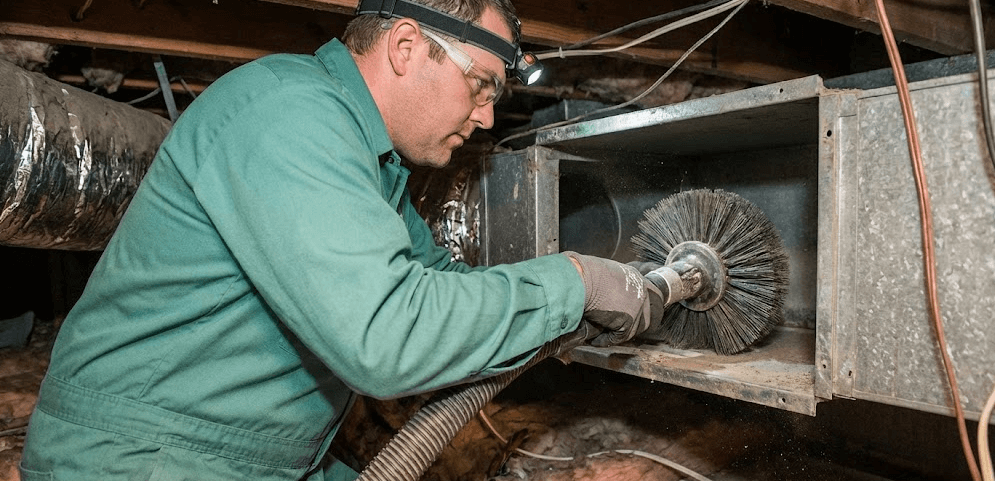
Why Routine Fan Cleaning Matters
Neglecting to clean your whole house fan can lead to several problems. Dust and debris buildup not only reduces the efficiency of the fan but can also contribute to poor indoor air quality. This is especially important for households with allergy sufferers or pets. A dirty fan may also develop unpleasant odors and force your system to work harder, increasing energy costs.
According to the U.S. Environmental Protection Agency’s guidance on air duct cleaning, regular maintenance of ventilation systems can help prevent the spread of contaminants and maintain a healthier home environment.
Preparation: What You’ll Need for Cleaning
Before starting, gather the following supplies to make the process efficient and safe:
- Vacuum cleaner with a hose attachment (preferably with a HEPA filter)
- Soft-bristle brush or microfiber cloth
- Mild detergent or all-purpose cleaner
- Step ladder (if your fan is ceiling-mounted)
- Protective eyewear and dust mask
- Screwdriver (if you need to remove the fan cover or grille)
Always turn off the power to the fan at the circuit breaker before starting any cleaning to avoid the risk of electric shock or injury.
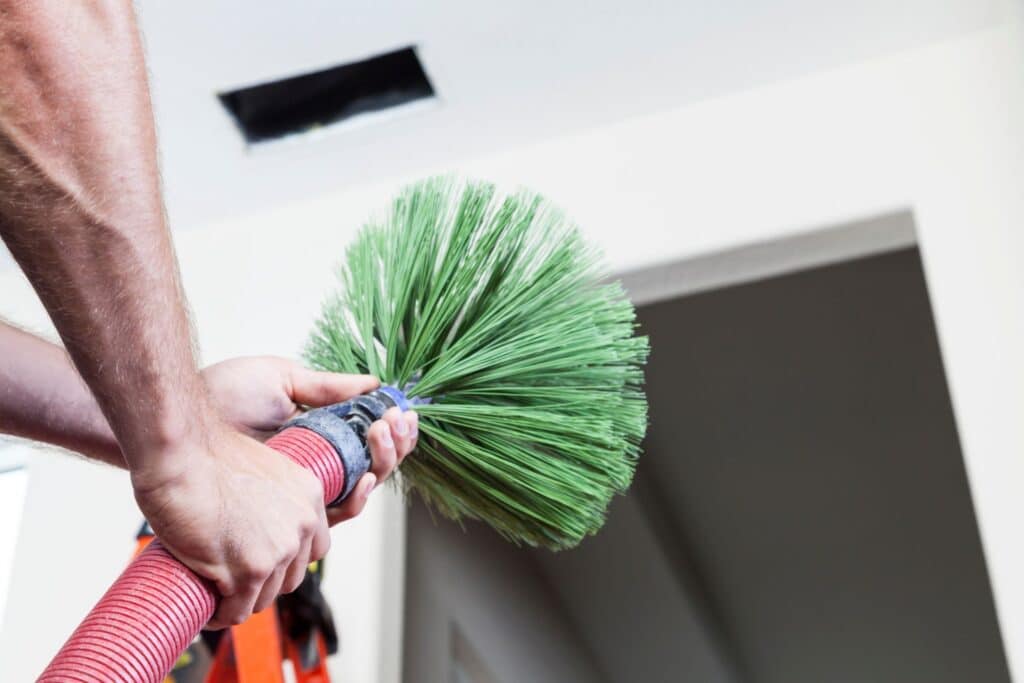
Step-by-Step Guide: Cleaning Your Whole House Fan
1. Turn Off Power and Access the Fan
Safety comes first. Ensure the fan is completely powered down at the breaker. Remove the grille or cover carefully using a screwdriver if necessary. Set the cover aside and inspect it for dust or grime.
2. Remove and Clean the Grille
Wash the grille with warm, soapy water and a soft brush. Rinse thoroughly and allow it to dry completely before reinstalling. This step helps prevent dust from re-entering the system after cleaning.
3. Vacuum Dust and Debris
Use the vacuum’s hose attachment to gently remove loose dust from the fan blades, motor housing, and surrounding area. A vacuum with a HEPA filter is ideal, as it traps fine particles and prevents them from circulating back into the air.
4. Wipe Down Blades and Housing
Dampen a microfiber cloth or soft brush with a mild detergent solution. Carefully wipe each blade and the interior surfaces of the housing. Avoid getting moisture into the motor or electrical components. For stubborn buildup, repeat the process until all visible dust and grime are removed.
5. Inspect for Mold or Moisture
While cleaning, check for any signs of mold or excess moisture, which can indicate ventilation issues. If you notice persistent dampness, review these signs of moisture in air ducts to address potential problems early.

6. Reassemble and Test the Fan
Once all parts are dry and clean, reattach the grille or cover. Restore power at the breaker and turn on the fan to ensure it operates smoothly. Listen for unusual noises and check for balanced, strong airflow.
How Often Should You Clean Your Whole House Fan?
For most homes, a thorough cleaning every six months is sufficient. However, if you live in a dusty area, have pets, or notice a decline in air quality, consider cleaning more frequently. Regular inspection and light dusting can help maintain optimal performance between deep cleans.
In addition to fan maintenance, consider reviewing other ventilation components. For example, knowing how to clean a portable heater vent can further improve air quality and system efficiency throughout your home.
Tips for Maintaining Fresh Airflow Year-Round
- Check and replace air filters regularly if your system uses them.
- Keep windows and doors closed during high pollen or dust seasons to reduce buildup.
- Schedule professional inspections if you notice persistent odors or reduced airflow.
- Consider using a HEPA air scrubber to trap fine particles and allergens, especially after deep cleaning.
- Monitor humidity levels to prevent mold growth and maintain comfort.
Common Mistakes to Avoid When Cleaning
- Never use harsh chemicals or abrasive tools that could damage fan components.
- Avoid spraying water directly onto the motor or electrical parts.
- Don’t skip safety steps—always disconnect power before starting.
- Don’t neglect the grille or cover, as it can harbor dust and allergens.
FAQ: Whole House Fan Cleaning and Maintenance
How do I know when my whole house fan needs cleaning?
Signs include visible dust on blades or grille, reduced airflow, increased noise, or musty odors when the fan is running. If you notice any of these, it’s time for a thorough cleaning.
Can I use a leaf blower to clean my fan?
While some people use leaf blowers for vent cleaning, this method can scatter dust and may not be suitable for delicate fan components. For more on this approach, see our guide on how to use a leaf blower for vent cleaning.
Is it necessary to hire a professional for fan cleaning?
Most homeowners can safely clean their whole house fan with basic tools and precautions. However, if you encounter mold, electrical issues, or extensive buildup, it’s wise to consult a professional for a thorough inspection and cleaning.
What should I do if I find mold inside the fan housing?
If you discover mold, wear protective gear and clean with a mild disinfectant. Persistent or widespread mold may indicate a larger ventilation issue and should be addressed by a professional.
Does cleaning the fan improve energy efficiency?
Yes, removing dust and debris allows the fan to operate more efficiently, reducing strain on the motor and potentially lowering energy costs.
Keeping your whole house fan clean is a straightforward task that pays off in better air quality, improved comfort, and longer equipment life. By following these steps and maintaining a regular cleaning schedule, you’ll enjoy fresh, healthy airflow throughout your home all year long.