Indoor air quality is a growing concern for many households. Everyday activities, building materials, and even outdoor pollution can introduce contaminants into your living space. Home air testing kits have become a practical solution for homeowners who want to identify potential issues and take control of their indoor environment. These kits allow you to detect common pollutants such as mold spores, volatile organic compounds (VOCs), allergens, and particulate matter without the need for professional intervention.
Understanding how to properly use these kits can help you make informed decisions about improving the air you breathe. Before diving into the step-by-step process, it’s helpful to know how these tools work and what you can expect from the results. For those interested in broader indoor air topics, you might also want to learn about the symptoms of sick building syndrome from ducts, which can be closely related to poor air quality.
Why Test Your Indoor Air?
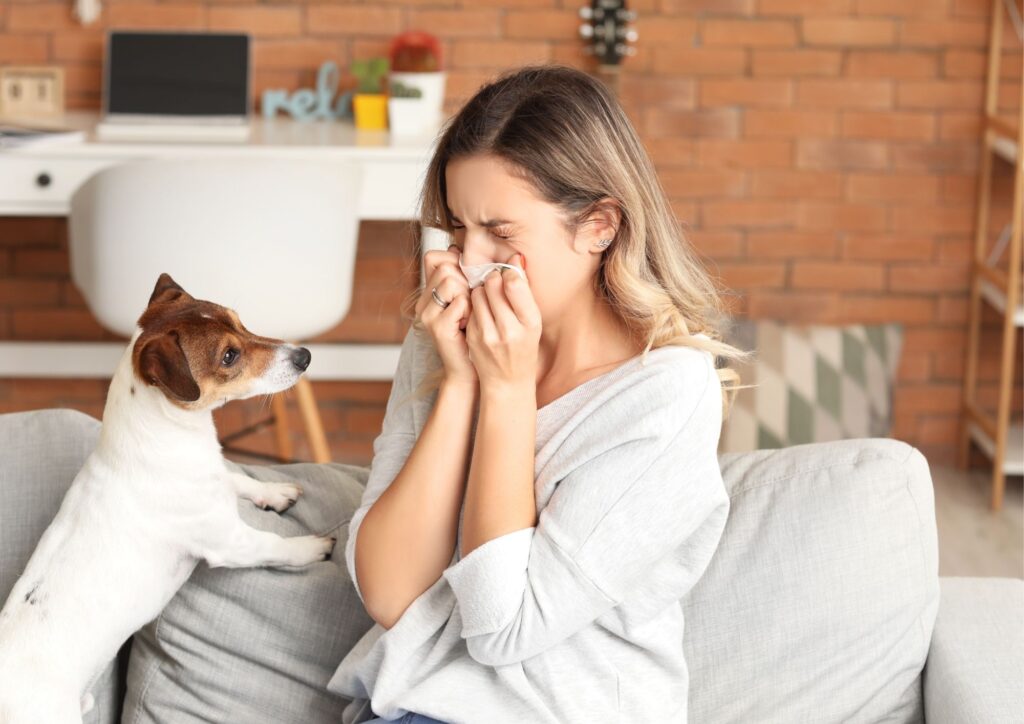
Many pollutants are invisible and odorless, making it difficult to know when your home’s air is compromised. Testing can reveal hidden dangers such as high levels of dust mites, mold, chemical fumes, or allergens. Poor air quality is linked to a range of health issues, from mild irritation to more serious respiratory problems. According to research on symptoms of poor air quality, common signs include headaches, fatigue, sinus congestion, and worsening allergies.
By using a reliable kit, you gain valuable insights that can guide your next steps—whether that’s improving ventilation, upgrading your HVAC filters, or addressing sources of moisture and mold.
Types of Home Air Quality Kits
There are several varieties of home air testing kits available, each designed to detect specific contaminants. Understanding the differences helps you choose the right product for your needs:
- Mold Test Kits: These detect airborne mold spores and help identify hidden moisture problems.
- Allergen Test Kits: Useful for detecting dust mites, pet dander, and pollen.
- VOC and Chemical Test Kits: Measure levels of volatile organic compounds from paints, cleaning products, and furnishings.
- Particulate Matter Monitors: Track fine dust and smoke particles that can affect breathing.
- Comprehensive Kits: Some options test for multiple pollutants at once, providing a broader overview.
When selecting a kit, consider what issues you suspect in your home and whether you prefer instant digital readings or lab-analyzed results.
How to Use a Home Air Testing Kit Effectively
Using home air testing kits is straightforward, but following the instructions closely ensures accurate results. Here’s a general overview of the process:
- Read the Instructions: Each kit is different. Start by carefully reviewing the manufacturer’s guidelines.
- Choose Testing Locations: Focus on areas where you notice odors, moisture, or allergy symptoms. Common spots include bedrooms, basements, and near HVAC vents.
- Prepare the Area: Close windows and doors for the recommended period before testing to avoid outside contamination.
- Collect Samples: Depending on the kit, you may need to expose a petri dish, swab a surface, or use an air pump to gather particles.
- Seal and Send (if required): Some kits require you to mail the sample to a lab for analysis. Others provide instant readings.
- Interpret Results: Lab-based kits usually send a detailed report. Digital monitors display readings you can compare to safe thresholds.
For best results, avoid cleaning or disturbing dust in the testing area for at least 24 hours before sampling. If you’re testing for mold, consider running tests during humid weather, as spores are more likely to be airborne.
What to Do If Your Air Quality Is Poor
If your kit reveals elevated levels of pollutants, taking action is important for your health and comfort. Here are practical steps you can take:
- Ventilation: Increase airflow by opening windows or using exhaust fans, especially in kitchens and bathrooms.
- Air Filtration: Upgrade to HEPA or electrostatic filters in your HVAC system. Portable air purifiers can also help reduce allergens and particulates.
- Moisture Control: Use dehumidifiers to prevent mold growth and fix any leaks promptly.
- Cleaning: Regularly dust and vacuum with a HEPA-filtered vacuum. Wash bedding and curtains to reduce allergens.
- Source Removal: Identify and remove sources of VOCs, such as certain cleaning products or off-gassing furniture.
For persistent issues, you may want to consult a professional or explore advanced solutions like UV lights in your ductwork. More details can be found in resources about the role of UV lights in duct cleanliness.
Tips for Accurate Testing and Ongoing Monitoring
To get the most out of your home air testing kits, keep these tips in mind:
- Test Regularly: Seasonal changes, renovations, or new furniture can affect air quality. Retest after major changes or if symptoms return.
- Document Results: Keep a record of your findings to track trends over time.
- Combine with Other Maintenance: Regular duct cleaning and filter changes support better air quality. For guidance, see advice on how to clean insulated ductwork safely.
- Follow Up on High Readings: If results are concerning, consider professional testing or remediation.
Staying proactive with indoor air monitoring can help prevent health problems and maintain a comfortable home environment.
Frequently Asked Questions
What can home air testing kits detect?
Most kits can identify common indoor pollutants such as mold spores, dust mites, VOCs, allergens, and particulate matter. Some advanced kits also detect formaldehyde, carbon monoxide, and radon, but these may require specialized equipment.
How often should I test my home’s air quality?
It’s a good idea to test at least once a year, or whenever you notice symptoms like allergies, odors, or visible mold. Testing after home renovations or installing new furniture is also recommended, as these can introduce new contaminants.
Are DIY air quality kits as accurate as professional testing?
While home kits provide valuable insights, professional testing is generally more comprehensive and precise. DIY kits are excellent for initial screening and ongoing monitoring, but if you suspect a serious issue, consulting an expert is advisable.
What should I do if my kit indicates a problem?
Address the source of pollution if possible, improve ventilation, and consider using air purifiers or upgrading HVAC filters. For persistent or severe issues, seek professional remediation services.
Conclusion
Monitoring your indoor environment with home air testing kits is a practical way to safeguard your health and comfort. By understanding what these kits can do and following best practices for use, you can identify hidden pollutants and take meaningful steps to improve your air quality. Combine regular testing with proper cleaning, filtration, and ventilation to create a safer, healthier home for everyone.