Maintaining clean ductwork in your attic is essential for healthy indoor air quality and optimal HVAC performance. Over time, dust, debris, and even mold can accumulate inside air ducts, especially those routed through attics where temperature fluctuations and insulation particles are common. This guide to cleaning attic ductwork is designed to help homeowners and property managers understand the process, safety precautions, and best practices for tackling this important maintenance task.
Before diving into the cleaning steps, it’s important to recognize the unique challenges attic ducts present. Attics are often less accessible, may contain insulation that can enter the duct system, and are more prone to moisture issues. Addressing these factors ensures a thorough and safe cleaning process.
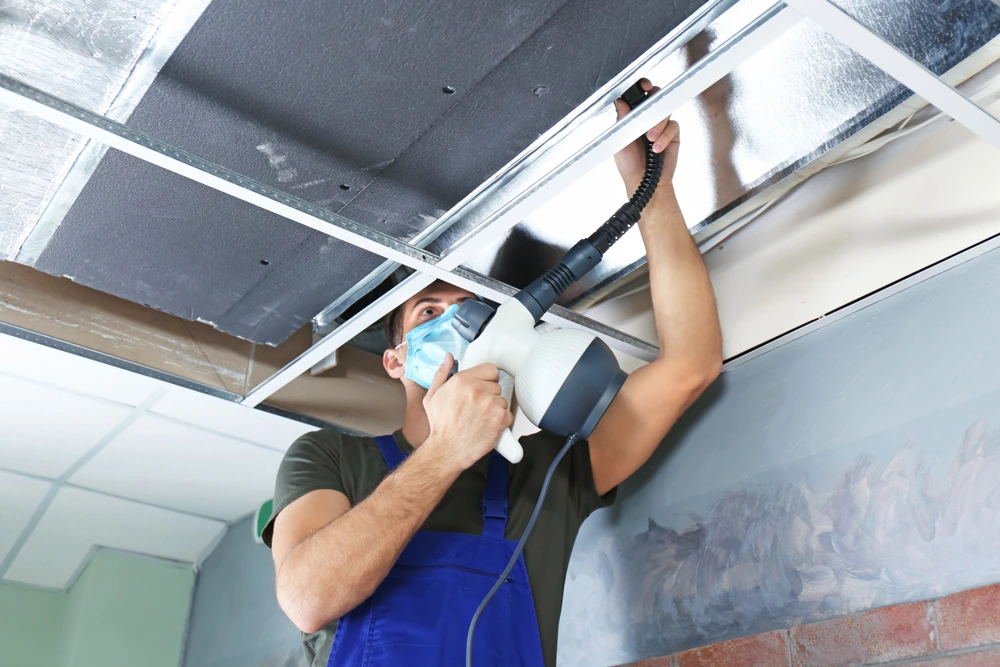
For those dealing with insulated ductwork, you may also find valuable tips in our resource on how to clean insulated ductwork safely, which covers additional considerations for different duct materials.
Why Attic Duct Cleaning Matters
Attic ducts are particularly vulnerable to contamination from dust, insulation fibers, rodent droppings, and even mold. If left unaddressed, these contaminants can circulate throughout your home, aggravating allergies and reducing HVAC efficiency. Regular cleaning helps:
- Improve air quality by removing allergens and irritants.
- Enhance system efficiency, lowering energy bills.
- Extend the lifespan of your HVAC system.
- Reduce odors and mustiness in living spaces.
Neglecting attic duct maintenance can also contribute to issues like symptoms of sick building syndrome from ducts, which can impact occupants’ health and comfort.
Preparation: Safety and Tools for Cleaning Attic Ducts
Before starting, gather the right tools and take necessary safety precautions. Attics can be hazardous due to limited space, exposed insulation, and extreme temperatures. Here’s what you’ll need:
- Protective gear: gloves, goggles, N95 respirator or better, and coveralls.
- HEPA vacuum or air scrubber for fine dust removal.
- Soft-bristle brushes and microfiber cloths.
- Basic hand tools (screwdriver, duct tape, flashlight).
- Drop cloths or plastic sheeting to protect insulation and attic surfaces.
Always turn off your HVAC system before beginning. If you suspect mold or heavy contamination, consider consulting a professional or using a HEPA air scrubber for added safety.
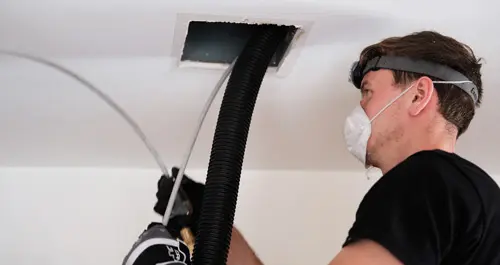
Step-by-Step Process: Attic Ductwork Cleaning
Follow these steps to safely and effectively clean your attic ducts:
- Access the ductwork: Locate all attic duct runs and access points. Remove vent covers and registers carefully.
- Seal off supply and return vents: Use plastic sheeting or duct tape to prevent dust from spreading into living areas.
- Dislodge debris: Gently loosen dust and debris inside the ducts using a soft-bristle brush. Avoid aggressive scrubbing, which can damage duct lining or insulation.
- Vacuum thoroughly: Use a HEPA-filtered vacuum to remove loosened particles. Pay special attention to bends and joints where debris accumulates.
- Wipe down surfaces: Use a damp microfiber cloth to clean vent covers and accessible duct interiors.
- Inspect for mold and damage: Look for signs of mold, water intrusion, or damaged insulation. Address any issues before reassembling.
- Reinstall vent covers: Once clean and dry, replace all covers and ensure they fit securely.
For a more detailed breakdown of DIY duct cleaning, see this step-by-step guide to cleaning heating and air conditioning ducts yourself.
Best Practices for Safe and Effective Results
To get the most out of your attic duct cleaning efforts, keep these best practices in mind:
- Schedule cleaning during mild weather to avoid attic heat or cold extremes.
- Check for proper insulation and seal any leaks before cleaning.
- Never use harsh chemicals inside ducts—stick to HEPA vacuums and mild cleaning solutions.
- Replace HVAC filters after cleaning to prevent recontamination.
- Consider installing UV lights for ongoing duct cleanliness. Learn more about the role of UV lights in duct cleanliness for additional protection.
Regular inspection and cleaning can also help eliminate persistent odors. For tips on odor removal, see our advice on how to remove smells from air ducts.
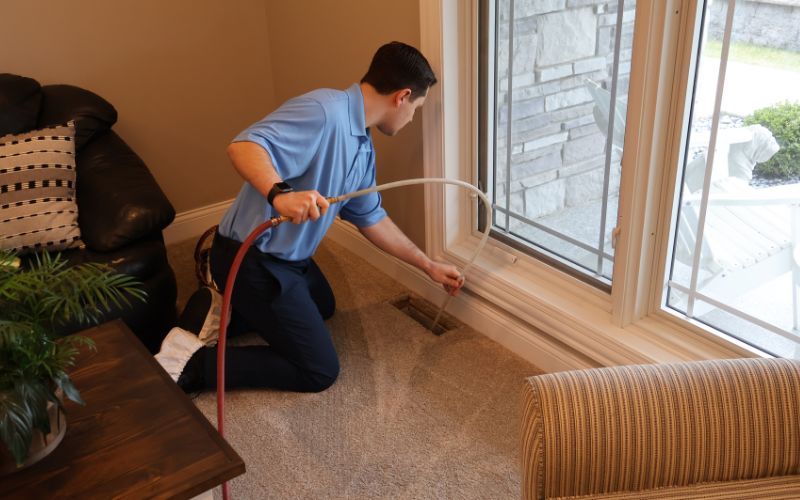
How Often Should You Clean Attic Ducts?
The frequency of attic duct cleaning depends on several factors, including home location, presence of pets, recent renovations, and overall air quality. As a general rule:
- Inspect attic ducts annually for visible dust, debris, or mold.
- Clean ducts every 3–5 years, or more often if you notice reduced airflow, increased dust, or allergy symptoms.
- After major home remodeling, follow ways to keep ducts clean during remodeling to prevent construction debris from entering the system.
Homes with allergy sufferers or pets may benefit from more frequent attention to attic ductwork.
When to Call a Professional
While many homeowners can handle basic attic duct maintenance, certain situations call for expert help:
- Visible mold growth inside ducts or on insulation.
- Rodent or pest infestations.
- Severely damaged or disconnected ductwork.
- Persistent odors that don’t resolve after cleaning.
Professionals use specialized equipment, such as negative air machines and advanced HEPA filtration, to ensure a thorough job—especially in complex or contaminated attic environments.
FAQ: Attic Duct Cleaning
Is it safe to clean attic ductwork myself?
Yes, with proper protective gear and careful technique, most homeowners can perform basic attic duct cleaning. However, if you encounter mold, pests, or extensive contamination, it’s best to consult a professional.
What are the signs that attic ducts need cleaning?
Common indicators include increased dust in living areas, musty odors, visible debris around vents, reduced HVAC efficiency, or allergy symptoms among occupants.
Can cleaning attic ducts help with allergies?
Absolutely. Removing dust, pollen, and other allergens from attic ducts can significantly improve indoor air quality and reduce allergy triggers for sensitive individuals.
Should I use chemical cleaners inside attic ducts?
It’s best to avoid harsh chemicals, as they can leave residues and potentially harm duct materials. Stick to HEPA vacuums, brushes, and mild cleaning solutions approved for HVAC use.
How can I prevent future buildup in attic ductwork?
Change HVAC filters regularly, seal duct leaks, keep attic insulation intact, and schedule periodic inspections. Installing UV lights can also help reduce microbial growth inside ducts.