Asbestos was once a common material in building construction, especially in homes and commercial properties built before the 1980s. Its fire resistance and insulating properties made it a popular choice for ductwork, pipe insulation, and other HVAC components. However, asbestos is now known to pose serious health risks when its fibers become airborne and are inhaled. If you own or manage an older property, understanding how to identify asbestos in old ductwork is essential for protecting your health and complying with safety regulations.
This article provides practical steps for recognizing potential asbestos-containing materials in your ventilation system, explains the risks, and outlines what to do if you suspect your ducts may be affected. For those interested in broader duct cleaning and maintenance, you may also want to learn how to clean insulated ductwork safely to keep your system running efficiently and safely.
Why Asbestos Was Used in Ductwork
Before the dangers of asbestos were widely understood, it was valued for its durability, heat resistance, and insulating properties. In ductwork, asbestos could be found in:
- Insulation wraps around metal ducts
- Flexible duct connectors
- Joint compounds and adhesives
- Transite (asbestos-cement) ducts
Homes and buildings constructed before the mid-1980s are most likely to contain these materials. If your property falls into this age range, extra caution is warranted when inspecting or renovating HVAC systems.
Common Signs of Asbestos in Older Duct Systems
Recognizing asbestos-containing materials in ductwork can be challenging without professional training, but there are several indicators to look for:
- Gray or white fibrous wrapping: Asbestos insulation often appears as a thick, cloth-like material wrapped around ducts or pipes.
- Rigid, cement-like ducts: Transite ducts are made from a mixture of cement and asbestos fibers, giving them a hard, brittle appearance.
- Cracking or fraying insulation: Old asbestos wraps may deteriorate, revealing loose fibers or powdery residue.
- Building age: Properties built before 1985 are at higher risk for asbestos use in ductwork and other HVAC components.
It is important to note that visual inspection alone cannot confirm the presence of asbestos. Laboratory analysis is the only definitive method. However, if you notice any of the signs above, treat the material as potentially hazardous and avoid disturbing it.

How to Safely Inspect for Asbestos in Ductwork
When considering how to identify asbestos in old ductwork, safety must always come first. Asbestos fibers are most dangerous when disturbed. Here are steps to take if you suspect your duct system may contain asbestos:
- Do not touch or disturb suspected materials. Even minor handling can release fibers into the air.
- Limit access to the area. Keep children, pets, and untrained individuals away from the site.
- Look for warning signs. Check for labels, stamps, or documentation indicating asbestos, especially on insulation wraps or cement ducts.
- Contact a certified asbestos professional. Only trained experts should collect samples or perform remediation. DIY testing is not recommended due to the health risks involved.
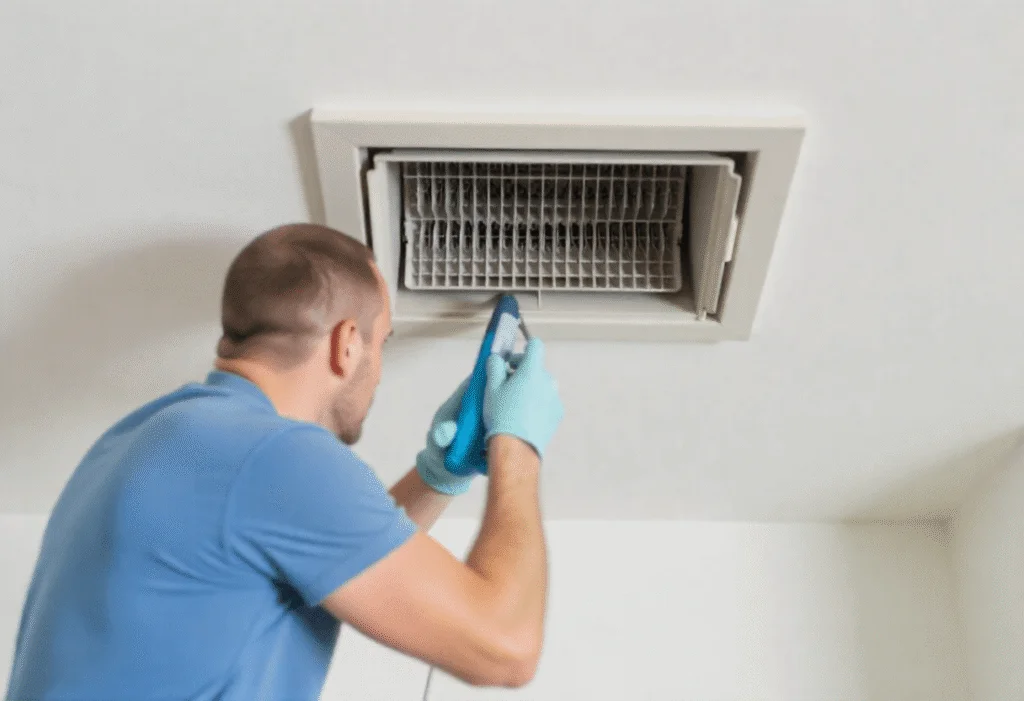
For those interested in inspecting duct interiors without disturbing insulation, consider learning about the use of a borescope for duct inspection. This tool allows you to visually assess duct conditions with minimal risk of fiber release.
What to Do If You Suspect Asbestos
If you believe your ductwork may contain asbestos, follow these guidelines:
- Do not attempt removal or cleaning yourself. Improper handling can contaminate your home and expose occupants to harmful fibers.
- Hire a licensed asbestos abatement contractor. Professionals have the equipment and training needed to safely remove or encapsulate asbestos materials.
- Seal off the affected area. Use plastic sheeting and tape to prevent dust migration until professional help arrives.
- Consider air quality solutions. Using a HEPA air scrubber can help capture airborne particles during and after remediation.
Professional abatement is the only safe way to address asbestos in ductwork. Attempting to clean or repair contaminated ducts without proper training and equipment can have serious health consequences.
Reducing Exposure and Maintaining Safe Ducts
Once asbestos has been professionally addressed, ongoing maintenance is key to preserving indoor air quality. Here are some best practices:
- Schedule regular HVAC inspections with qualified technicians.
- Replace or upgrade duct insulation with modern, non-hazardous materials.
- Consider installing UV lights to help maintain duct cleanliness and reduce microbial growth. For more on this, see the role of UV lights in duct cleanliness.
- Use HEPA filtration devices during renovations or cleaning to capture residual particles.
- Follow safe cleaning practices. For DIY duct cleaning tips, refer to this step-by-step guide to cleaning air ducts yourself.
By staying proactive and informed, you can help ensure your duct system remains safe and efficient for years to come.
FAQ
How can I tell if my duct insulation contains asbestos?
Visual clues include gray or white fibrous wraps, rigid cement-like ducts, and insulation that appears brittle or frayed. However, only laboratory analysis can confirm asbestos. If you suspect your insulation may contain hazardous fibers, contact a certified professional for assessment.
Is it safe to clean or repair old ductwork myself?
No. If there is any chance your ducts contain asbestos, do not attempt cleaning or repairs on your own. Disturbing asbestos materials can release dangerous fibers into your home. Always hire licensed asbestos abatement contractors for inspection and remediation.
What should I do if I accidentally disturb suspected asbestos in my ducts?
Immediately leave the area and avoid further disturbance. Seal off the space if possible and contact a professional asbestos abatement service. Do not attempt to vacuum or sweep up debris, as this can spread fibers further.
Conclusion
Understanding how to identify asbestos in old ductwork is crucial for anyone living in or managing older properties. By recognizing the signs, avoiding direct contact, and seeking professional help, you can minimize health risks and maintain a safe indoor environment. Stay informed, prioritize safety, and rely on experts for any work involving potential asbestos-containing materials.