Maintaining clean air ducts is essential for any household, but for those with pets, the need becomes even more pressing. Pet hair, dander, and tracked-in debris can quickly accumulate in your HVAC system, impacting both air quality and system efficiency. Understanding the frequency of duct cleaning for pet owners helps ensure a healthier indoor environment and can extend the life of your heating and cooling equipment.
Many pet owners are surprised to learn how quickly ducts can collect allergens and contaminants. While general guidelines exist for duct maintenance, homes with cats, dogs, or other furry companions often require a more tailored approach. This article explores the unique challenges pets introduce, how often you should schedule professional duct cleaning, and practical steps to keep your home’s air as clean as possible.
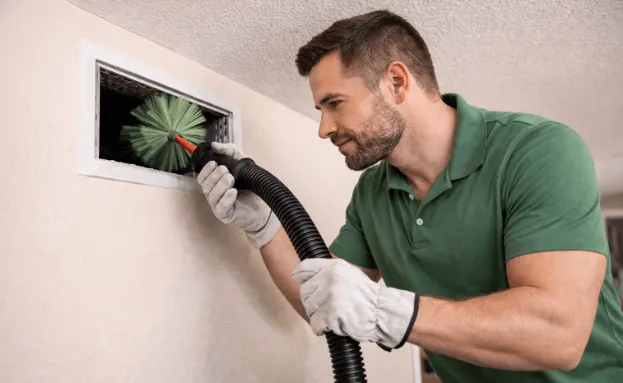
For those interested in more advanced cleaning techniques, learning how to clean insulated ductwork safely can provide additional insight into maintaining a healthy HVAC system, especially in homes with pets.
Why Pet Owners Need More Frequent Duct Cleaning
Pets contribute to indoor air pollution in several ways. Their fur and dander can become airborne, settling into vents and ducts. Over time, this buildup can:
- Reduce HVAC efficiency, leading to higher energy bills
- Increase allergens, aggravating asthma and allergies
- Cause unpleasant odors to circulate throughout your home
- Encourage the growth of mold and bacteria in moist environments
Unlike dust or pollen, pet dander is sticky and lightweight, making it especially difficult to remove once it enters the ductwork. This is why the recommended cleaning schedule for homes with pets is more frequent than for pet-free households.
Recommended Frequency of Duct Cleaning for Pet Owners
General advice for duct cleaning in average homes is every three to five years. However, if you share your space with pets, experts suggest increasing this frequency. The following guidelines can help you determine the best schedule for your situation:
| Number of Pets | Recommended Cleaning Interval |
|---|---|
| 1 Pet | Every 2–3 years |
| 2 or More Pets | Every 1–2 years |
| Allergy or Asthma Sufferers | Annually |
These intervals are starting points. If you notice visible dust around vents, persistent odors, or worsening allergy symptoms, it may be time to schedule a cleaning sooner.
Factors That Influence How Often You Should Clean Ducts
The frequency of duct cleaning for pet owners can vary based on several factors:
- Type of Pet: Long-haired breeds shed more and may require more frequent cleanings.
- Number of Pets: Multiple animals increase the amount of hair and dander in the home.
- Allergy Concerns: If anyone in your household suffers from allergies or asthma, more frequent cleaning is recommended.
- Home Environment: High humidity, carpeting, and poor ventilation can all contribute to faster buildup.
- HVAC Usage: Homes that run heating or cooling systems year-round may see faster accumulation of debris.
It’s also wise to consider other sources of indoor pollution, such as smoking, recent renovations, or living in areas with high pollen counts, as these can compound the effects of pet-related debris.
Signs Your Ducts Need Cleaning
Even if you follow recommended schedules, certain signs indicate it’s time for a professional cleaning:
- Visible dust or pet hair blowing from vents
- Persistent musty or pet odors, especially when the HVAC system runs
- Unexplained increases in allergy or asthma symptoms
- Noticeable dust buildup on vent covers and registers
- Recent home renovations or water damage
If you’re unsure, you can learn how to check for dust near the evaporator coil to get a better sense of your system’s condition.
DIY vs. Professional Duct Cleaning
Some pet owners wonder if they can handle duct cleaning themselves. While regular maintenance like changing filters and vacuuming vent covers is helpful, thorough duct cleaning typically requires specialized equipment. Attempting to clean ducts without the right tools can leave behind debris or even damage the system.
For those interested in learning more, this guide on DIY air duct cleaning explains the pros and cons of tackling the job on your own versus hiring a professional.

Tips to Reduce Pet Hair and Dander in Ducts
While you can’t eliminate all pet-related debris, these steps can help minimize buildup between professional cleanings:
- Groom pets regularly to reduce shedding
- Vacuum floors and furniture frequently, using a vacuum with a HEPA filter
- Change HVAC filters every 1–3 months, or more often with multiple pets
- Use air purifiers in high-traffic or pet areas
- Keep pets out of rooms with return vents when possible
For added protection, consider installing a HEPA air scrubber to capture airborne particles before they reach your ductwork.
Other Ways to Maintain Clean Ducts in Pet-Friendly Homes
Beyond regular cleaning and maintenance, there are other strategies to support air quality:
- Install UV lights in your HVAC system to help reduce bacteria and mold. Learn more about the role of UV lights in duct cleanliness.
- Schedule routine HVAC inspections to catch issues early.
- Seal ductwork leaks to prevent dust and dander from entering the system.
- Clean laundry room ventilation and lint traps regularly, as these can also contribute to airborne debris. See tips on how to clean laundry room ventilation.
Staying proactive with these measures can help you maintain a healthier environment for both your family and your pets.
FAQ
How do I know if my ducts need cleaning more often because of my pets?
If you notice increased dust, visible pet hair near vents, persistent odors, or worsening allergy symptoms, it’s likely time to schedule a cleaning. Multiple pets, long-haired breeds, or allergy sufferers in the home are all reasons to increase cleaning frequency.
Can I clean my air ducts myself if I have pets?
While you can maintain vents and change filters yourself, a thorough duct cleaning requires professional equipment. DIY attempts may not remove all pet dander and could damage your HVAC system. For more details, see the guide on cleaning air ducts yourself.
What are the best filters for homes with pets?
High-efficiency filters, such as HEPA or electrostatic filters, are best for trapping pet hair and dander. Change them regularly—every 1–3 months, or more frequently if you have multiple pets or allergy concerns.
Will duct cleaning help with pet allergies?
Yes, regular duct cleaning can reduce the amount of pet dander and allergens circulating in your home, providing relief for allergy and asthma sufferers. Combining cleaning with frequent filter changes and air purifiers offers the best results.