Proper laundry room ventilation cleaning is essential for maintaining a safe and efficient home. Over time, lint and dust can accumulate in vents and lint traps, increasing the risk of fire, reducing appliance efficiency, and contributing to poor indoor air quality. Regularly addressing these areas not only protects your household but also extends the lifespan of your dryer and HVAC systems.
This guide will walk through practical steps for cleaning vents, ducts, and lint traps in your laundry area. You’ll also find tips for identifying problem areas, recommended tools, and advice on when to call in professionals. For those interested in broader duct maintenance, you may also want to review how to clean insulated ductwork safely for additional insights.
Why Regular Vent and Lint Trap Maintenance Matters
Neglecting the vents and lint traps in your laundry room can have serious consequences. Lint buildup is a leading cause of dryer fires, and clogged ducts force your dryer to work harder, raising energy bills and shortening equipment life. Additionally, poor airflow can lead to excess moisture, encouraging mold growth and reducing indoor air quality.
Routine cleaning helps:
- Prevent fire hazards by removing flammable lint
- Boost dryer efficiency and reduce drying times
- Lower energy consumption and costs
- Improve air quality by minimizing dust and allergens
- Reduce wear and tear on appliances
Essential Tools for Cleaning Laundry Room Vents
Before starting, gather the right tools to make the process easier and more effective. Here are some recommended items for tackling laundry vent cleaning:
- Vacuum cleaner with hose attachment
- Flexible dryer vent brush or cleaning kit
- Screwdriver (for removing vent covers)
- Microfiber cloths
- Bucket with mild detergent
- Protective gloves and dust mask
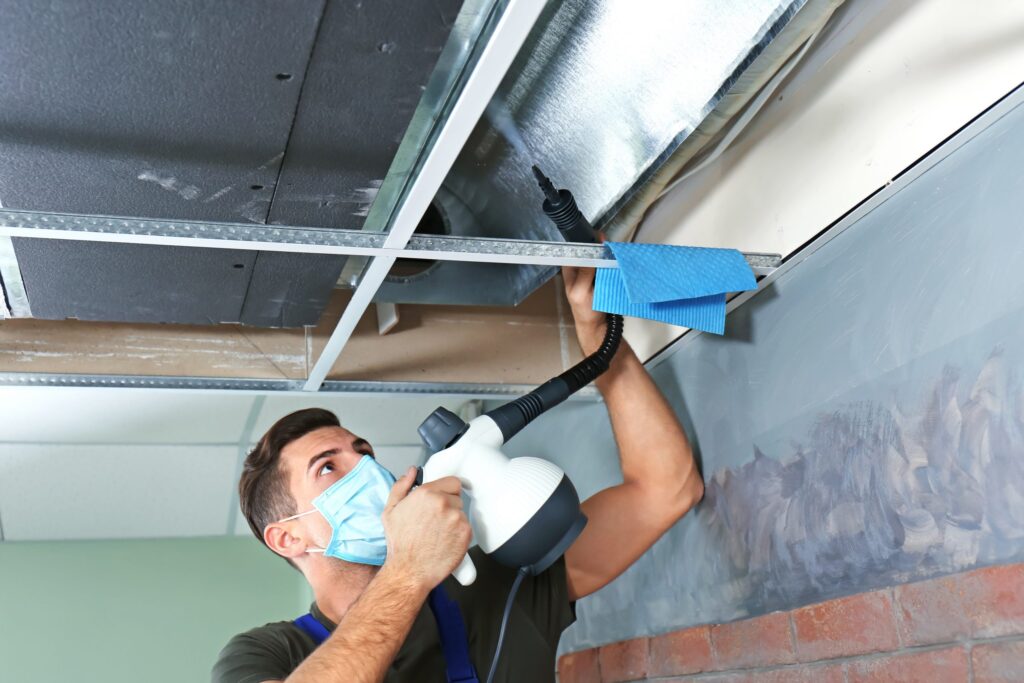
Optional upgrades like a HEPA air scrubber can further improve air quality by capturing fine particles released during cleaning. For those interested in advanced air purification, consider the option below after each cleaning session.
Step-by-Step Guide to Cleaning Dryer Vents and Lint Traps
1. Unplug and Prepare the Dryer
Always unplug your dryer before starting any cleaning. For gas dryers, turn off the gas supply. Move the dryer away from the wall to access the vent and duct connections.
2. Remove and Clean the Lint Trap
Take out the lint screen and use your hands or a soft brush to remove visible lint. Wash the screen with warm, soapy water to remove residue from dryer sheets and fabric softeners. Let it dry completely before reinserting.
3. Clean the Lint Trap Housing
Insert a vacuum hose or a flexible lint brush into the lint trap slot. Move it around to dislodge and remove trapped debris. This step is crucial for preventing blockages deep inside the dryer.
4. Detach and Clean the Vent Duct
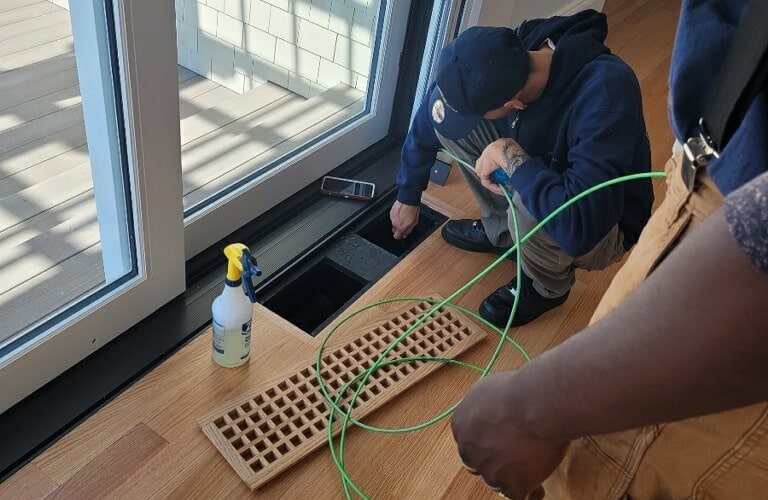
Loosen the clamp or screws holding the vent hose to the dryer and wall. Carefully remove the duct. Use a vent brush or vacuum to clean inside the duct and the wall connection. For long or rigid ducts, a rotary brush kit can help reach deeper sections.
5. Inspect and Clean the Exterior Vent
Check the outside vent hood for lint buildup, bird nests, or obstructions. Remove the cover if possible and clean thoroughly. Make sure the vent flap opens and closes freely.
6. Reassemble and Test
Reconnect the vent duct securely to both the dryer and the wall. Slide the dryer back into place, plug it in, and run it on an air-fluff or no-heat cycle for a few minutes to ensure proper airflow.
How Often Should You Clean Laundry Room Vents?
For most households, cleaning the lint trap after every load is essential. Deep cleaning of the vent duct and exterior vent should be performed at least once a year. If you notice longer drying times, musty odors, or excessive lint around the dryer, increase the frequency of cleaning.
Homes with pets, large families, or frequent laundry loads may need to clean vents every six months. Regular inspection and maintenance will help you spot potential issues before they become serious.
Advanced Tips for Thorough Ventilation Cleaning
Some situations require more advanced cleaning techniques or tools. For example, if your ductwork is insulated or runs a long distance, you may benefit from reviewing how to clean insulated ductwork safely for additional strategies. Using a borescope can help you inspect hidden areas of ductwork for blockages or damage. For more on this, see how to use a borescope for duct inspection.
In cases of persistent dust or allergy symptoms, consider adding UV lights to your HVAC system. These can help maintain duct cleanliness and improve indoor air quality. Learn more about the role of UV lights in duct cleanliness for further details.
When to Call a Professional
While most homeowners can handle basic vent and lint trap cleaning, some situations call for expert help. If you encounter:
- Rigid or hard-to-access ductwork
- Visible mold or water damage inside vents
- Persistent odors or dust despite cleaning
- Unusual noises or signs of pests
Professional duct cleaning services use specialized tools and can address complex or hazardous issues. For a detailed DIY approach, you can also review this step-by-step guide to cleaning heating and air conditioning ducts yourself.
Common Mistakes to Avoid
- Skipping regular lint trap cleaning
- Using the dryer with a disconnected or damaged vent
- Ignoring signs of poor airflow or overheating
- Forgetting to check the exterior vent for blockages
- Using non-recommended cleaning tools that can damage ducts
By avoiding these mistakes, you ensure your laundry appliances run efficiently and safely.
Frequently Asked Questions
How do I know if my laundry vent is clogged?
Signs include longer drying times, a hot dryer exterior, musty odors, or visible lint around the vent area. If your clothes remain damp after a normal cycle, it’s time to check and clean the vent.
Can I use a regular vacuum to clean dryer vents?
A household vacuum with a hose attachment can remove some lint, but a flexible vent brush or specialized cleaning kit is more effective for reaching deep inside ducts and removing stubborn debris.
Is professional cleaning necessary every year?
For most homes, annual deep cleaning is sufficient if you maintain the lint trap and vent regularly. However, if you notice persistent issues or have complex ductwork, professional cleaning may be recommended.
Conclusion
Keeping your laundry room’s ventilation and lint traps clean is a simple but vital part of home maintenance. Regular attention reduces fire risks, saves energy, and improves air quality. With the right tools and a consistent schedule, you can handle most cleaning tasks yourself and know when to seek professional help for more complex situations. Prioritize safety, follow the steps outlined above, and enjoy a safer, more efficient laundry space.