When it comes to evaluating the condition and safety of air ducts, two of the most common methods used by professionals are duct camera inspection and smoke testing. Each approach offers unique advantages and is suited to different scenarios, whether you’re concerned about indoor air quality, energy efficiency, or fire safety. Understanding how these techniques differ can help homeowners, facility managers, and HVAC technicians choose the right solution for their needs.
Before diving into the technical distinctions, it’s important to recognize that regular duct assessments play a crucial role in maintaining a healthy indoor environment. If you’re also interested in advanced cleaning strategies, you may want to explore topics like how to clean insulated ductwork safely to complement your inspection routine.
How Visual Inspections with Cameras Work
A duct camera inspection involves inserting a specialized, high-resolution camera into the ductwork. This camera is typically attached to a flexible rod or cable, allowing technicians to navigate bends and turns throughout the system. The live video feed is displayed on a monitor, enabling real-time assessment of the duct’s interior.
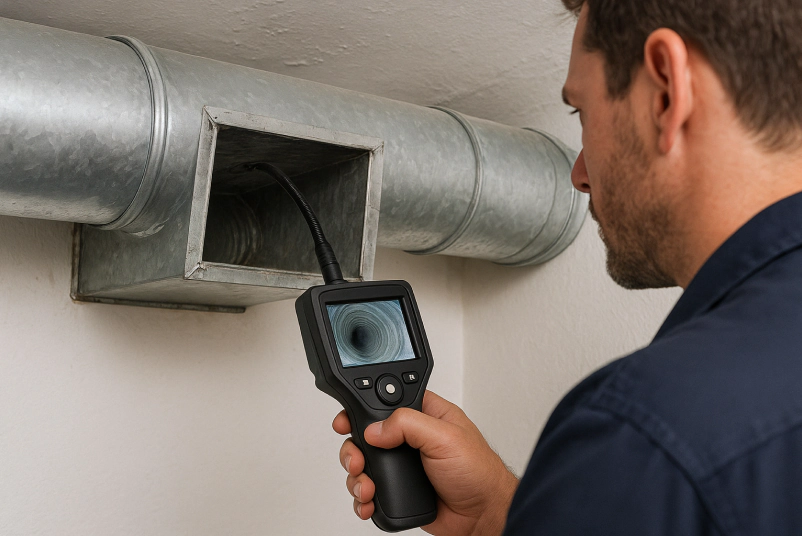
This method is highly effective for identifying visible issues such as:
- Accumulated dust, debris, or mold growth
- Physical blockages or obstructions
- Signs of pest infestation
- Corrosion, rust, or physical damage to duct walls
- Disconnected or poorly sealed joints
Technicians can pause the camera at any point to take still images or record video evidence for documentation. This visual record is especially valuable for property owners who want to see the condition of their ducts firsthand.
Understanding Smoke Testing for Ducts
In contrast, a smoke test is designed to reveal air leaks, cracks, or faulty seals that may not be visible to the naked eye. During this process, non-toxic smoke is introduced into the ductwork, and technicians observe where the smoke escapes. Any visible plumes outside the duct indicate a breach or leak.
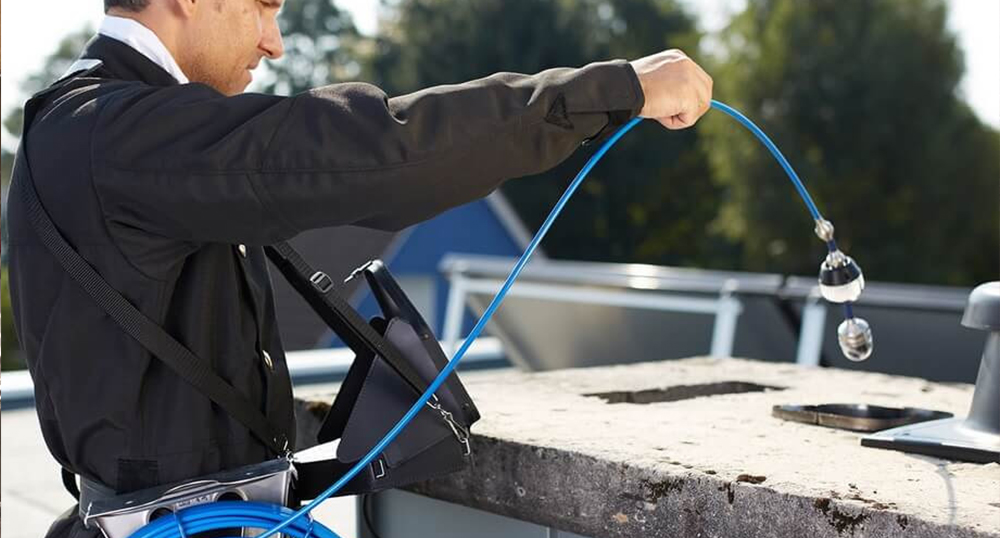
This approach is particularly useful for:
- Detecting leaks that cause energy loss or reduce HVAC efficiency
- Identifying pathways for contaminants to enter the system
- Ensuring fire and smoke containment in commercial or multi-unit buildings
- Verifying the integrity of newly installed or repaired ductwork
Smoke testing is often required by building codes or fire safety regulations, especially in commercial settings where airtight ducts are critical for occupant safety.
Comparing Duct Camera Inspection and Smoke Testing
While both methods are essential for comprehensive duct evaluation, they serve different purposes and offer distinct benefits. Here’s a closer look at their differences:
| Aspect | Camera-Based Inspection | Smoke Testing |
|---|---|---|
| Primary Focus | Visual assessment of internal condition | Detection of air leaks and breaches |
| Best For | Identifying blockages, dirt, mold, and damage | Locating leaks, verifying airtightness |
| Documentation | Photo/video evidence | Visual observation of smoke escape |
| Limitations | May miss invisible leaks or micro-cracks | Does not reveal internal buildup or debris |
| Common Uses | Routine maintenance, post-cleaning checks | Code compliance, energy audits, fire safety |
When to Use Each Method
Choosing between a camera-based inspection and a smoke test depends on your specific goals:
- For routine maintenance and cleanliness: Visual inspections with cameras are ideal for spotting dust, debris, and mold, as well as verifying the effectiveness of cleaning. They’re also helpful for diagnosing airflow problems caused by blockages.
- For energy efficiency and safety: Smoke testing is the go-to method for identifying leaks that waste energy or compromise fire safety. It’s often used after repairs or renovations to ensure the duct system is properly sealed.
- For comprehensive assessment: Many professionals recommend using both methods in tandem. A camera can identify physical issues, while smoke testing confirms the system’s airtightness.
If you’re planning a major cleaning or renovation, you might also benefit from learning about the understanding the negative air pressure method for duct cleaning, which can further enhance your system’s performance.
Benefits and Drawbacks of Each Approach
Both techniques have their strengths and limitations. Here’s what to consider:
Advantages of Camera-Based Inspections
- Non-invasive and safe for all duct types
- Provides visual proof for property owners and insurance claims
- Helps target cleaning or repairs to specific problem areas
- Quick to deploy and interpret
Advantages of Smoke Testing
- Pinpoints even tiny leaks that cameras may miss
- Essential for meeting building code requirements
- Effective for large or complex duct networks
- Can be used to test both supply and return air systems
Potential Limitations
- Camera inspections may not detect micro-leaks or issues hidden beneath surface debris.
- Smoke tests do not provide a view of internal cleanliness or physical obstructions.
- Both methods require professional expertise for accurate interpretation and safety.
Industry Standards and Professional Recommendations
According to the National Air Duct Cleaners Association’s guide for new technicians, a combination of inspection methods is often the best way to ensure ductwork is both clean and airtight. Professionals may start with a camera to assess cleanliness and follow up with a smoke test to confirm there are no leaks or breaches.
Regular duct evaluations not only improve indoor air quality but can also help prevent issues like symptoms of sick building syndrome from ducts and reduce long-term maintenance costs.
Frequently Asked Questions
Is a camera inspection enough to ensure my ducts are leak-free?
While a camera can reveal visible damage, blockages, and buildup, it may not detect small leaks or cracks. For complete assurance of airtightness, smoke testing is recommended alongside visual inspections.
How often should I have my ducts inspected?
Most experts suggest a thorough check every 3–5 years, or sooner if you notice signs of poor air quality, increased dust, or HVAC inefficiency. After major renovations or repairs, both camera and smoke evaluations are advisable.
Can I perform these inspections myself?
While consumer-grade cameras are available, professional-grade tools and expertise are needed for accurate diagnosis and safety. Smoke testing, in particular, should always be handled by trained technicians due to the need for proper ventilation and safety protocols.
Which method is better for detecting mold?
Camera inspections are more effective for spotting mold growth, as they provide a direct visual of the duct interior. Smoke tests are not designed to detect biological contaminants.
Conclusion
Both duct camera inspections and smoke testing are valuable tools for maintaining healthy, efficient, and safe air systems. By understanding the key differences and knowing when to use each method, property owners and facility managers can make informed decisions that protect both occupants and infrastructure. For those seeking to optimize duct performance, combining these approaches with regular cleaning and advanced methods—such as the role of UV lights in duct cleanliness—can deliver the best results.