When it comes to maintaining healthy indoor air quality, keeping your HVAC ductwork clean is essential. Two of the most common professional methods are Rotobrush cleaning and air whip cleaning. Understanding the difference between rotobrush and air whip cleaning can help homeowners and facility managers choose the right approach for their needs, budget, and ductwork type. This article explains how each method works, their pros and cons, and what situations each is best suited for.
Before diving into the details, it’s important to note that duct cleaning is just one part of a comprehensive indoor air quality strategy. For those with insulated ductwork, learning how to clean insulated ductwork safely can be a valuable complement to the techniques discussed here.
Understanding Rotobrush Duct Cleaning
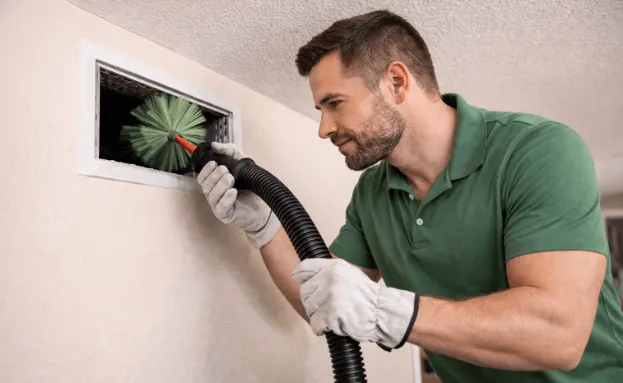
Rotobrush cleaning is a mechanical method that uses a rotating brush attached to a flexible hose. This brush spins inside the ductwork, physically scrubbing the interior surfaces to dislodge dust, debris, and even some microbial growth. The brush is paired with a powerful vacuum that simultaneously removes loosened contaminants, preventing them from circulating back into the air.
Key features of the Rotobrush system include:
- Direct contact cleaning: The rotating brush makes physical contact with duct surfaces, which is effective for removing sticky or compacted debris.
- Integrated vacuum: Debris is immediately suctioned away, reducing the risk of particles escaping into the home.
- Precision: The flexible hose allows technicians to target specific areas, making it suitable for residential and light commercial ductwork.
Rotobrush cleaning is often recommended for homes with visible dust buildup, pet hair, or after renovations. It’s also a good choice for duct systems that haven’t been cleaned in many years, as the brush can break up stubborn deposits.
How Air Whip Cleaning Works
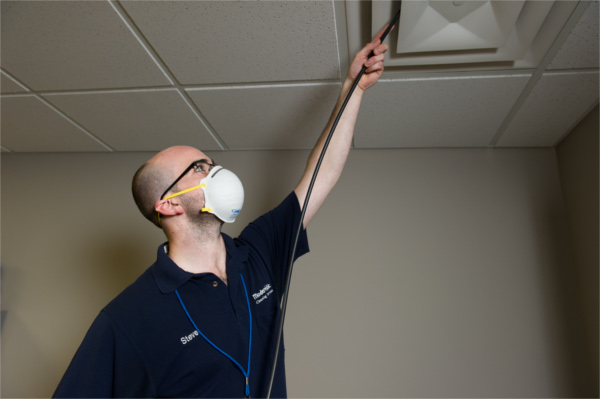
Air whip cleaning, sometimes called pneumatic cleaning, uses compressed air delivered through a hose to power a set of flexible “whips” or tentacles. These whips rapidly move and agitate the inside of the duct, dislodging dust and debris. The loosened particles are then drawn out by a high-powered negative air machine or vacuum.
Distinctive aspects of air whip cleaning include:
- Non-contact agitation: The air whips move rapidly but don’t always make direct contact, relying on air pressure and vibration to shake debris loose.
- High airflow: This method is especially effective in larger commercial ducts or long runs where physical brushes may not reach.
- Speed: Air whip systems can clean extensive ductwork quickly, making them popular for large-scale jobs.
Air whip cleaning is ideal for situations where dust and loose debris are the main concern, or where ductwork is too large or fragile for mechanical brushes. It’s also frequently used in combination with other methods for a more thorough cleaning.
Key Differences Between Rotobrush and Air Whip Methods
While both techniques aim to improve air quality by removing contaminants from ductwork, there are several important distinctions:
| Aspect | Rotobrush | Air Whip |
|---|---|---|
| Cleaning Action | Mechanical brushing with direct contact | Pneumatic agitation using air whips |
| Best For | Sticky, compacted debris; residential ducts | Loose dust; large or commercial ducts |
| Vacuum Integration | Brush and vacuum combined in one system | Requires separate negative air machine |
| Reach | Good for targeted cleaning and bends | Excellent for long, straight runs |
| Speed | Slower, more precise | Faster for large areas |
| Risk of Damage | Potential for abrasion on fragile ducts | Lower risk, but less effective on sticky buildup |
Choosing between these two approaches depends on your specific ductwork, the type of debris present, and your cleaning goals. For example, if your system has a lot of pet hair or post-construction dust, the Rotobrush’s direct contact may be more effective. If you’re dealing with a commercial building or want a quick refresh, air whip cleaning could be the better option.
When to Choose Each Duct Cleaning Method
Deciding which cleaning process is right for your property involves considering several factors:
- Type of Contaminants: Sticky or greasy buildup responds better to mechanical brushing, while loose dust is easily removed with air whips.
- Duct Material and Age: Older or fragile ducts may be damaged by aggressive brushes, making air whips a safer choice.
- System Size and Complexity: Large commercial systems or ducts with long, straight runs are often cleaned more efficiently with air whips.
- Budget and Time Constraints: Air whip cleaning is typically faster for big jobs, while Rotobrush may take longer but provide a deeper clean in smaller systems.
It’s also worth noting that some professional services combine both methods, using air whips for the initial agitation and Rotobrush for detailed cleaning in problem areas.

Additional Considerations for Duct Cleaning
Regardless of which cleaning method you choose, there are a few best practices to keep in mind:
- Always hire certified and experienced professionals to avoid damaging your HVAC system.
- Consider the role of UV lights in duct cleanliness as a supplement to mechanical cleaning for ongoing microbial control.
- For those interested in DIY, it’s important to understand the limitations and risks. See this guide on whether you can clean your air ducts yourself for more details.
- After cleaning, using a HEPA air scrubber can help capture any remaining airborne particles and improve indoor air quality.
Regular duct cleaning can also help reduce the symptoms of sick building syndrome from ducts, especially in commercial or multi-unit buildings.
Frequently Asked Questions
Which method is safer for older ductwork?
Air whip cleaning is generally considered safer for older or fragile ducts, as it relies on air pressure rather than direct mechanical contact. However, both methods should be performed by trained professionals who can assess the condition of your system before starting.
Can Rotobrush and air whip cleaning be combined?
Yes, many professionals use a combination of both techniques. Air whips can be used for initial agitation and to move debris toward access points, while the Rotobrush can provide detailed cleaning in areas with stubborn buildup.
How often should ducts be cleaned?
Most experts recommend cleaning air ducts every 3–5 years, or more frequently if you have pets, allergies, recent renovations, or visible mold. Regular cleaning helps maintain system efficiency and indoor air quality.
Conclusion
Understanding the difference between rotobrush and air whip cleaning is key to making an informed decision about your duct maintenance. Each method has unique strengths, and the right choice depends on your specific needs and ductwork characteristics. For optimal results, consult with a reputable duct cleaning provider who can recommend the best approach for your property. Regular maintenance, combined with other air quality strategies, will help ensure a healthier and more comfortable indoor environment.