Finding the right rotary brush system can make a significant difference in cleaning efficiency, equipment longevity, and overall results. Whether you’re a facility manager, HVAC professional, or a business owner in need of reliable cleaning solutions, understanding the essential factors for selecting a rotary brush setup is crucial. This guide breaks down the most important considerations, highlights expert advice, and points you toward trusted resources for further research.
Before diving into technical details, it’s helpful to explore related topics such as rotary brush solutions for production environments, which provide valuable context for specialized applications and industry standards.
Understanding Rotary Brush System Basics
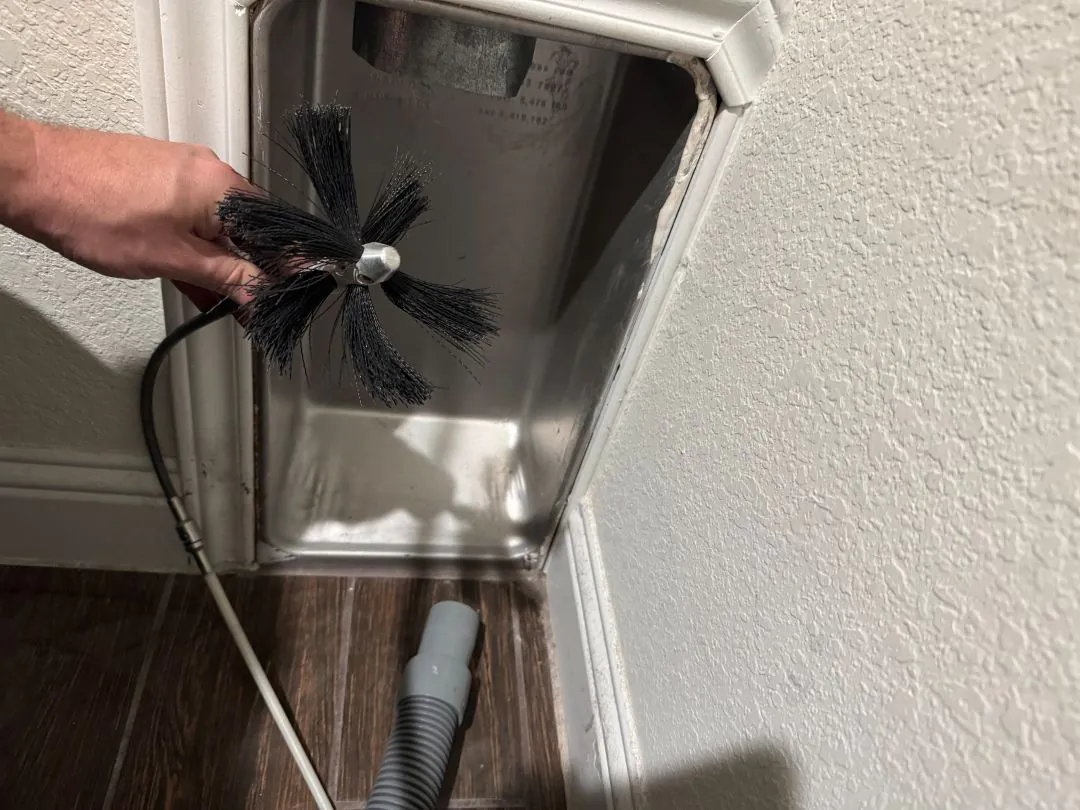
Rotary brush systems are mechanical cleaning tools that use rotating brushes to dislodge and remove dust, debris, and contaminants from surfaces such as air ducts, chimneys, and industrial equipment. These systems are valued for their ability to provide thorough, consistent cleaning across a range of environments. When choosing a rotary brush system, it’s important to understand the core components:
- Brushes: Available in various diameters, materials, and stiffness levels to suit different surfaces and debris types.
- Drive Mechanism: Typically powered by electric motors or drill attachments, offering varying speeds and torque.
- Flexible Shafts: Allow the brush to navigate bends and corners, especially in ductwork or piping.
- Adapters and Extensions: Enable compatibility with different tools and reach into deep or complex spaces.
Each component impacts the effectiveness and versatility of the system, so understanding your cleaning environment and requirements is the first step in making an informed decision.
Key Factors to Evaluate When Selecting a Rotary Brush Setup
To ensure you get the most value and performance, consider these critical factors before making a purchase:
- Application Type: Are you cleaning HVAC ducts, chimneys, industrial machinery, or another surface? Each use case may require different brush types and system features.
- Brush Material and Size: Nylon brushes are common for general cleaning, while steel or polypropylene options suit tougher jobs. The diameter should match the duct or surface for optimal contact.
- Motor Power and Speed: More powerful motors handle heavy debris but may be overkill for delicate surfaces. Variable speed controls add flexibility.
- System Flexibility: Flexible shafts and modular extensions help navigate tight bends and long runs, especially in complex ductwork.
- Ease of Use and Maintenance: Quick-change brush heads, ergonomic handles, and accessible maintenance points save time and reduce operator fatigue.
- Durability and Build Quality: Look for robust construction, quality bearings, and corrosion-resistant materials to ensure longevity.
- Compatibility: Ensure the system fits your existing equipment, such as drills or vacuums, and supports the accessories you need.
For a deeper dive into standards and expectations, the rotary brush cleaning quality standards resource outlines what to look for in terms of performance and safety.
Comparing Manual and Powered Rotary Brush Options
There are two main categories of rotary brush systems: manual and powered. Manual systems rely on hand-cranking or simple mechanical action, making them suitable for light-duty or occasional use. Powered systems, on the other hand, use electric motors or drill attachments to spin the brush at high speeds, delivering more consistent and efficient cleaning for larger or more challenging jobs.
| Feature | Manual System | Powered System |
|---|---|---|
| Best For | Light debris, small jobs | Heavy buildup, frequent use |
| Speed | Slower, user-dependent | Faster, consistent |
| Cost | Lower initial investment | Higher upfront cost |
| Maintenance | Minimal | Requires regular checks |
| Operator Fatigue | Higher | Lower |
For most commercial and industrial applications, powered rotary brush systems are preferred due to their efficiency and ability to handle demanding cleaning tasks.
Brush Selection: Matching Material and Size to Your Needs
The choice of brush is central to the system’s effectiveness. Here’s how to match the brush to your specific cleaning requirements:
- Nylon Brushes: Gentle yet effective for dust and light debris, ideal for HVAC ducts and sensitive surfaces.
- Polypropylene Brushes: More rigid, suitable for moderate buildup and larger debris.
- Steel Wire Brushes: Best for heavy-duty cleaning, such as removing rust or hardened deposits from metal surfaces.
Brush diameter should be slightly less than the duct or pipe diameter to ensure full contact without excessive friction. Using the correct brush size prevents damage and maximizes cleaning efficiency.
For those interested in the latest innovations, rotary brush system future trends explores new materials and design improvements in the industry.
Expert Tips for Maximizing System Performance
Industry professionals recommend the following strategies for getting the best results from your rotary brush equipment:
- Regularly inspect and replace worn brushes to maintain cleaning effectiveness.
- Use the correct speed setting for each job—lower speeds for delicate surfaces, higher speeds for stubborn debris.
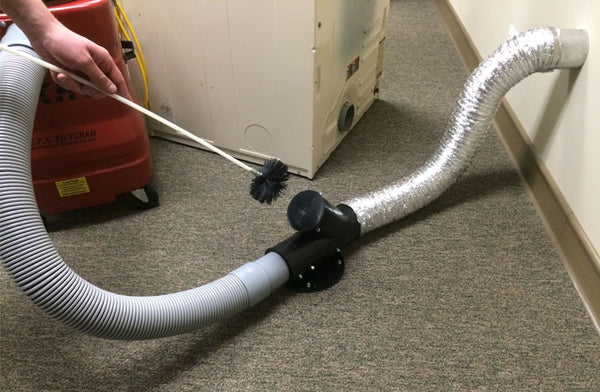
- Pair your rotary brush with a compatible vacuum system to capture dislodged particles and prevent recontamination.
- Clean and lubricate moving parts as part of routine maintenance to extend system life.
- Refer to manufacturer guidelines for safe operation and troubleshooting.
For more on keeping your equipment in top shape, see this comprehensive guide to maintaining rotary brush systems.
Hybrid Systems and Advanced Features
Some modern rotary brush systems incorporate hybrid technologies, combining mechanical brushing with air or vacuum assistance for enhanced cleaning. These setups are especially useful in production environments and for specialized cleaning challenges. Learn more about the advantages of rotary brush hybrid cleaning systems and how they can improve efficiency and results.
When evaluating advanced features, consider:
- Interchangeable brush heads for different surfaces
- Integrated dust extraction or filtration
- Adjustable shaft lengths and flexible couplings
- Smart controls or digital monitoring for maintenance alerts
Maintenance and Longevity Considerations
Proper care is essential for ensuring your rotary brush system delivers long-term value. Here are some maintenance best practices:
- Clean brushes and shafts after each use to prevent buildup and corrosion.
- Store equipment in a dry, protected area.
- Check for loose connections and worn parts regularly.
- Follow the manufacturer’s service intervals for lubrication and part replacement.
Investing in a quality system and maintaining it properly can reduce downtime, improve cleaning outcomes, and lower total cost of ownership.
Frequently Asked Questions
What size rotary brush should I use for my ductwork?
Select a brush that is slightly smaller than the internal diameter of your duct. This ensures effective contact with the surface without causing excessive friction or risking damage to the duct walls.
Can I use a rotary brush system with my existing vacuum equipment?
Many rotary brush setups are designed to be compatible with standard vacuum systems. Check the manufacturer’s specifications for adapter compatibility and recommended pairings for optimal dust collection.
How often should I replace the brushes?
Brush replacement frequency depends on usage and the type of debris encountered. Inspect brushes regularly for wear or deformation and replace them as soon as bristles become frayed or lose their shape to maintain cleaning efficiency.
Are hybrid rotary brush systems worth the investment?
Hybrid systems offer enhanced cleaning by combining mechanical and vacuum or air-assisted action. They are particularly beneficial for demanding environments or when high cleaning standards are required, making them a worthwhile investment for many commercial users.
Conclusion
Making an informed decision about which rotary brush system to use involves evaluating your specific cleaning needs, understanding system features, and considering long-term maintenance. By focusing on application type, brush selection, system compatibility, and expert-recommended practices, you can achieve superior cleaning results and extend the life of your equipment. For further guidance, explore resources on rotary brush motor selection and stay updated on industry trends to ensure you’re always equipped with the best tools for the job.