Many homeowners and building managers wonder if professional duct cleaning can truly make a difference in how well their HVAC systems perform. As dust, debris, and contaminants accumulate inside ductwork over time, concerns about air quality and system efficiency become more pressing. But does removing this buildup actually lead to better airflow and improved comfort indoors?
In this article, we’ll explore the science behind duct maintenance, what research and industry experts say about its impact on ventilation, and which situations benefit most from a thorough cleaning. We’ll also cover related topics such as how duct cleanliness can affect symptoms of sick building syndrome and the role of advanced cleaning methods.
For those interested in more specialized maintenance, such as how to clean insulated ductwork safely, there are additional techniques and precautions to consider.
Understanding How Duct Cleaning Affects Airflow
The question of can air duct cleaning improve airflow is rooted in basic HVAC principles. Airflow in a forced-air system depends on the unobstructed movement of air through ducts, vents, and filters. When dust, pet hair, construction debris, or even mold accumulate inside these passages, they can restrict the volume of air that reaches each room.
According to the National Air Duct Cleaners Association (NADCA), significant blockages—such as thick dust layers or foreign objects—can reduce system efficiency and lead to uneven heating or cooling. In extreme cases, airflow can be reduced by as much as 30%, causing rooms to feel stuffy or uncomfortable.
What the Science Says About Duct Cleaning and Ventilation
Scientific studies on duct cleaning have produced mixed results, but there is consensus on certain points. When ducts are heavily contaminated, cleaning can restore proper airflow and help HVAC systems operate closer to their intended capacity. However, in relatively clean systems, the improvement may be minimal.
The U.S. Environmental Protection Agency (EPA) notes that cleaning ducts is most beneficial when there is visible mold growth, a vermin infestation, or excessive dust that is actually being released into the home. In these cases, removing the source of the blockage can lead to measurable improvements in air movement and indoor air quality.
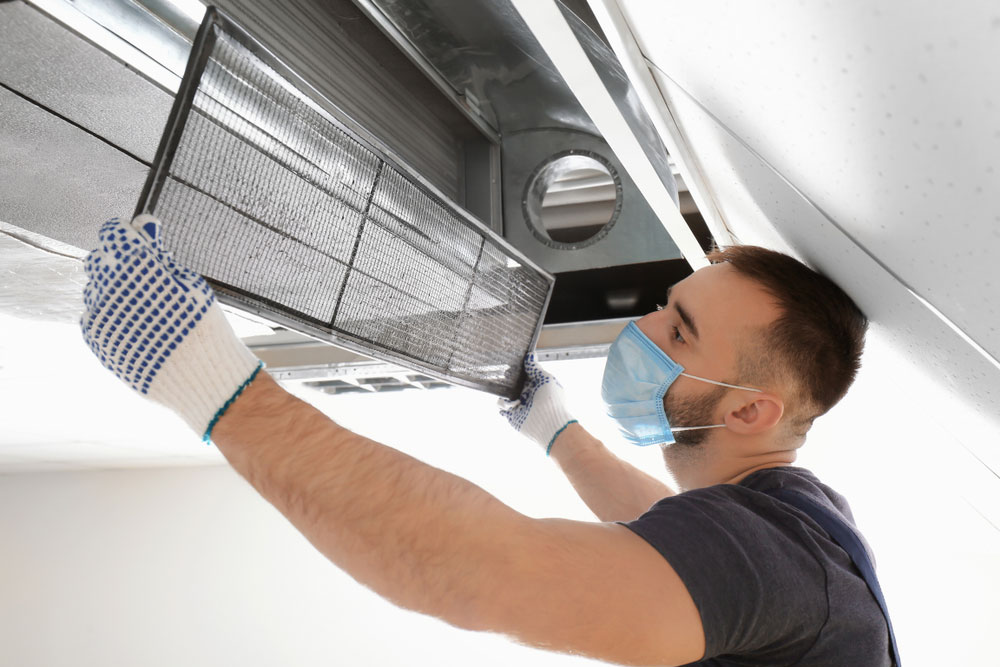
For those interested in do-it-yourself maintenance, this step-by-step guide to cleaning air ducts yourself provides practical advice and safety tips.
Common Causes of Reduced Airflow in Ductwork
While dust and debris are frequent culprits, several other factors can limit the performance of your HVAC system:
- Clogged air filters: Dirty filters restrict intake, causing the blower to work harder and reducing output.
- Crushed or disconnected ducts: Physical damage or poor installation can create bottlenecks or leaks.
- Obstructed vents: Furniture, drapes, or closed registers can block air distribution.
- Improperly sized ductwork: Undersized ducts can’t deliver enough air, even if they’re clean.
Addressing these issues alongside duct cleaning provides the best chance for restoring optimal airflow.
When Is Professional Duct Cleaning Most Effective?
Not every home or building will benefit equally from duct cleaning. The most significant gains are seen when:
- There is visible dust buildup or debris inside the ducts.
- Residents experience increased allergy symptoms or respiratory issues.
- The HVAC system is producing unusual odors or noises.
- There has been recent construction or remodeling, introducing new contaminants.
- Airflow from vents is noticeably weak compared to previous performance.
In these cases, a thorough cleaning can remove obstructions, improve air movement, and even extend the life of your system.
Techniques That Maximize Airflow Restoration
Modern duct cleaning involves more than just vacuuming. Professionals may use negative air pressure machines, rotary brushes, and high-efficiency particulate air (HEPA) filtration to capture and remove fine particles. For a deeper understanding of advanced cleaning processes, explore the negative air pressure cleaning method and how it helps dislodge stubborn contaminants.
In some cases, technicians may recommend installing UV lights to inhibit microbial growth, further supporting system cleanliness and efficiency. Learn more about the role of UV lights in duct cleanliness for long-term maintenance.
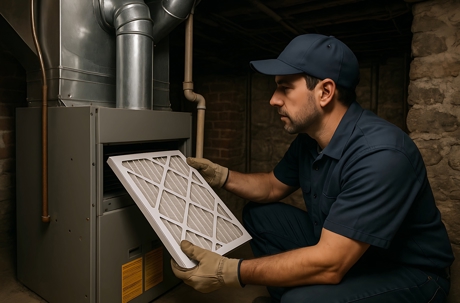
Signs That Your Ducts May Need Cleaning
If you’re unsure whether your ventilation system could benefit from cleaning, look for these warning signs:
- Visible dust or debris blowing from supply registers
- Persistent musty or unpleasant odors when the system runs
- Unexplained increases in allergy or asthma symptoms among occupants
- Noticeable reduction in airflow from one or more vents
- Recent water damage or evidence of mold inside ductwork
Addressing these issues promptly can help prevent more serious problems, such as sick building syndrome. For more details on how dirty ducts can impact health, see the article on symptoms of sick building syndrome from ducts.
How Often Should Ducts Be Cleaned for Optimal Airflow?
The frequency of duct cleaning depends on several factors, including the presence of pets, local air quality, recent renovations, and whether anyone in the household has allergies or respiratory conditions. As a general guideline, NADCA recommends inspecting ducts every 3–5 years, or sooner if you notice any of the warning signs mentioned above.
Homeowners who have recently completed remodeling projects should pay special attention to duct cleanliness. Construction dust and debris can quickly accumulate and restrict airflow. For tips on maintaining clean ducts during such projects, review these ways to keep ducts clean during remodeling.
FAQ
How much can duct cleaning actually improve airflow?
The impact varies. In systems with heavy dust buildup or obstructions, cleaning can restore airflow by up to 30%. In relatively clean systems, the difference may be less noticeable. The greatest improvements are seen when blockages or contaminants are present.
Is duct cleaning necessary if I regularly change my air filters?
Regular filter changes help maintain system efficiency, but they don’t prevent all debris from entering ductwork. Over time, fine particles, pet hair, and other contaminants can still accumulate. Periodic duct inspections are recommended to determine if cleaning is needed.
Can I clean my air ducts myself, or should I hire a professional?
Basic maintenance, such as vacuuming accessible vents and changing filters, can be done by most homeowners. However, thorough duct cleaning requires specialized equipment and expertise. If you suspect mold, pests, or major blockages, it’s best to consult a certified professional.
Key Takeaways
- Air duct cleaning can improve airflow and system efficiency, especially when there is significant dust or debris buildup.
- Professional cleaning is most effective in homes with visible contamination, recent renovations, or persistent air quality issues.
- Regular inspections, filter changes, and prompt attention to warning signs help maintain healthy indoor air and optimal ventilation.
- Advanced methods like negative air pressure cleaning and UV lights can further support duct hygiene and airflow.
By understanding when and how duct cleaning makes a difference, you can make informed decisions to keep your home comfortable and your HVAC system running smoothly.