Taking on air duct cleaning as a do-it-yourself project can be tempting for homeowners looking to save money and improve indoor air quality. However, there are several common mistakes in DIY duct cleaning that can lead to poor results, wasted time, or even damage to your HVAC system. Understanding these pitfalls is essential before you start, so you can approach the task with the right tools, knowledge, and expectations.
Many people underestimate the complexity of cleaning ductwork, assuming it’s as simple as vacuuming or dusting. In reality, ducts are often hard to access, require specialized equipment, and can harbor contaminants that are difficult to remove without professional techniques. If not done correctly, DIY cleaning can stir up dust, reduce system efficiency, or even worsen air quality. For those interested in learning about safe cleaning practices for specific duct types, you might find this guide on how to clean insulated ductwork safely especially helpful.

Why Homeowners Attempt DIY Duct Cleaning
People often try to clean their own ducts to save on professional service costs or because they want immediate results. With so many online tutorials and rental equipment available, it can seem like a manageable weekend project. However, without a clear understanding of the process and potential hazards, it’s easy to make errors that undermine your efforts.
Before diving into the most frequent missteps, it’s important to recognize that some tasks, such as deep cleaning or mold remediation, are best left to certified professionals. Still, knowing what to avoid can help you make informed decisions about what you can safely handle yourself.
Overlooking Proper Preparation and Safety
One of the most frequent DIY duct cleaning errors is skipping essential preparation steps. Failing to turn off the HVAC system, not sealing registers, or neglecting to wear protective gear can lead to dust spreading throughout your home or even personal injury. Always ensure the system is powered down and wear a mask, gloves, and eye protection to avoid inhaling dust or debris.
Another overlooked aspect is protecting your living space. Use plastic sheeting or drop cloths to cover furniture and floors near vents. This helps contain dust and makes cleanup much easier.
Using the Wrong Tools for the Job
Many homeowners assume that a household vacuum and a brush are sufficient for cleaning ducts. Unfortunately, standard vacuums often lack the suction power and filtration needed to capture fine particles and allergens. Using the wrong attachments can also damage duct interiors, especially if your system has flexible or insulated ducts.
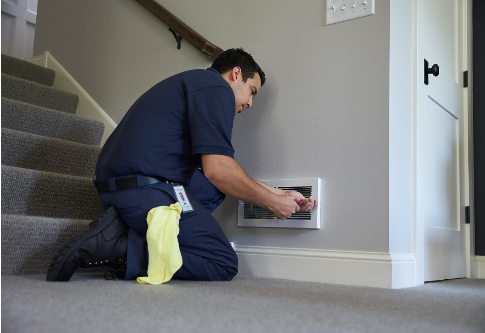
Professional duct cleaning services use high-powered vacuums with HEPA filters and specialized brushes designed to dislodge and capture debris without harming the ductwork. If you attempt the job yourself, make sure to use equipment that won’t cause leaks or tears. For more on the importance of using the right methods, see this article about the negative air pressure cleaning method.
Missing Hidden Contaminants and Blockages
Another significant issue is failing to identify or reach all areas of the duct system. Ductwork often includes bends, branches, and hard-to-access sections where dust, pet hair, and even mold can accumulate. DIYers may only clean visible or easily accessible parts, leaving behind contaminants that continue to circulate through your home.
It’s also common to overlook blockages caused by construction debris, pests, or water damage. These issues require more than just surface cleaning and may need professional intervention to resolve safely.
Improper Reassembly and Air Leaks
After cleaning, it’s crucial to properly reattach all vent covers and ensure that no gaps or leaks are left in the ductwork. Failing to do so can reduce system efficiency, increase energy bills, and allow dust to bypass filters. Always double-check that everything is sealed tightly before turning the system back on.
Neglecting Filter Replacement and System Maintenance
One of the most overlooked steps is replacing or cleaning HVAC filters after duct cleaning. Dirty filters can quickly undo your hard work by allowing dust and debris to re-enter the system. Make it a habit to check and replace filters regularly, especially after any cleaning project.

Regular maintenance goes beyond just cleaning ducts. Inspect your system for signs of wear, unusual noises, or persistent dust buildup. If you notice any of these issues, it may be time for a professional inspection.
Ignoring Signs of Mold or Pest Infestation
Attempting to clean ducts that show signs of mold growth or pest infestation is risky and often ineffective without the right expertise. Mold spores can be hazardous to your health, and improper cleaning may spread them throughout your home. Similarly, pests can leave behind droppings or nesting material that require specialized removal.
If you suspect mold or pests, contact a professional service. For more information on how duct conditions can affect health, review this resource on the symptoms of sick building syndrome from ducts.
Not Following Up With Proper Vent and Register Cleaning
Even if you manage to clean the main duct lines, neglecting floor registers and vent covers can allow dust to re-enter the system. Remove and wash all covers thoroughly before reinstalling them. For a quick guide on this step, check out this article on how to clean floor registers.
Overestimating the Impact of DIY Cleaning
While removing surface dust can help, DIY duct cleaning rarely achieves the deep results of professional services. If your home has persistent dust, allergies, or odors, or if it’s been years since the last cleaning, consider hiring an expert. For a step-by-step overview of safe home cleaning, see this comprehensive guide to cleaning air ducts yourself.
Frequently Asked Questions
Is DIY duct cleaning safe for all types of ductwork?
Not all duct systems are suitable for do-it-yourself cleaning. Flexible and insulated ducts can be easily damaged by improper tools or techniques. Always check your system type and consider consulting a professional for complex or delicate installations.
How often should I clean my air ducts?
Most experts recommend inspecting ducts every 3–5 years. However, homes with pets, recent renovations, or allergy sufferers may benefit from more frequent checks. Replace filters regularly and monitor for signs of dust buildup or reduced airflow.
What are the signs that professional cleaning is needed?
If you notice visible mold, persistent odors, increased allergy symptoms, or evidence of pests in your ducts, it’s time to call in a professional. These issues require specialized treatment that goes beyond basic DIY methods.
Conclusion
Understanding the common mistakes in DIY duct cleaning can help you avoid costly errors and protect your home’s air quality. By preparing properly, using the right equipment, and knowing when to seek expert help, you can ensure your efforts are effective and safe. Remember, regular maintenance and attention to detail are key to keeping your HVAC system running efficiently and your indoor environment healthy.