Keeping your home’s air clean and your HVAC system efficient depends on the condition of your ductwork. Over time, dust, debris, mold, and even pests can accumulate inside air ducts, affecting both air quality and system performance. To accurately assess the state of ductwork, professionals often rely on a specialized method: the air duct camera inspection process. This approach provides a clear, real-time view inside your ventilation system, helping to identify issues that might otherwise go unnoticed.
For homeowners interested in maintaining a healthy indoor environment, understanding how these inspections work is valuable. Not only does it help you know what to expect from a professional service, but it also empowers you to make informed decisions about cleaning and repairs. For a broader perspective on keeping your system clean, you may also want to review the duct system hygiene guide.
Why Use Camera Technology for Duct Inspections?
Traditional duct inspections often relied on guesswork or limited visual checks at vent openings. With the introduction of camera systems, technicians can now perform a thorough air duct camera inspection process that reveals the true condition of your ductwork. This technology offers several advantages:
- Accurate diagnosis: Cameras reveal blockages, dust buildup, mold, and damage that are invisible from outside the ducts.
- Documentation: Video or photo evidence can be shared with homeowners, making it easier to understand recommended services.
- Targeted cleaning and repairs: Knowing exactly where problems are located allows for more efficient and cost-effective solutions.
- Peace of mind: Homeowners can see the before-and-after results, ensuring that cleaning or repairs were successful.
Step-by-Step Overview of the Camera Inspection Procedure
The ductwork camera inspection process typically follows a systematic approach to ensure every section of the system is evaluated. Here’s how a professional service usually unfolds:
- Initial assessment: The technician discusses any concerns you have and examines accessible vents and registers to plan the inspection.
- Preparation: Furniture or obstacles near vents may be moved, and protective coverings are put in place to keep your home clean.
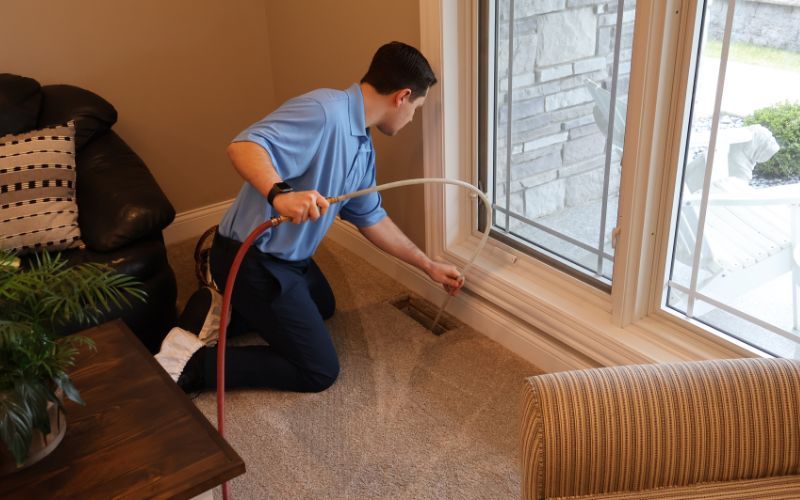
- Camera insertion: A flexible, high-resolution camera is inserted into the ductwork, often through supply or return vents. The camera is connected to a monitor, allowing live viewing.
- Systematic scanning: The camera is guided through the ducts, capturing video or still images of the interior surfaces. The technician looks for dust, debris, mold, pest infestations, moisture, and physical damage.
- Documentation: Key findings are recorded, and images or video clips may be saved for your review.
- Reporting: After the inspection, the technician explains the findings, shows visual evidence, and recommends next steps, such as cleaning, repairs, or mold remediation if needed.
Common Issues Detected During Duct Camera Inspections
The air duct camera inspection process is highly effective at uncovering a range of problems that can impact your home’s air quality and HVAC efficiency. Some of the most frequent findings include:
- Heavy dust and debris: Accumulations that can restrict airflow and circulate allergens.
- Mold growth: Often found in damp or poorly ventilated sections, posing health risks.
- Pest infestations: Evidence of rodents, insects, or nests inside the ductwork.
- Physical damage: Crushed, disconnected, or corroded ducts that reduce system performance.
- Obstructions: Construction debris or foreign objects left behind during renovations.
Identifying these issues early allows for targeted cleaning and repairs, helping to prevent more serious problems down the line. For those interested in improving indoor air quality, reviewing air filters and dust reduction strategies can be a helpful next step.
What to Expect from a Professional Duct Inspection Service
When you schedule a professional duct camera inspection, you can expect a detailed and transparent process. Here’s what typically happens:
- Clear communication: The technician will explain the process, answer your questions, and provide a timeline for the inspection.
- Minimal disruption: Most inspections are non-invasive and require little preparation on your part.
- Visual proof: You’ll have the opportunity to view images or video of your ductwork, helping you understand the technician’s recommendations.
- Actionable advice: Based on the findings, you’ll receive specific suggestions for cleaning, repairs, or further testing if needed.

Benefits of Regular Ductwork Camera Inspections
Scheduling periodic camera-based duct inspections offers several long-term advantages:
- Improved air quality: Early detection of contaminants helps reduce allergens and pollutants in your home.
- Energy efficiency: Clean, well-maintained ducts allow your HVAC system to operate more efficiently, potentially lowering energy costs.
- Extended system life: Addressing issues before they become severe can prolong the lifespan of your heating and cooling equipment.
- Health protection: Identifying and removing mold, dust, and pests reduces risks to your family’s health.
- Informed maintenance: You’ll know exactly when cleaning or repairs are needed, avoiding unnecessary expenses.
For more information on the broader impact of HVAC upkeep, the article on HVAC maintenance and health benefits provides additional insights.
How to Choose a Qualified Inspection Provider
Not all service providers offer the same level of expertise or technology. When selecting a company for your duct camera inspection, consider the following:
- Experience: Look for companies with a proven track record in duct inspections and cleaning.
- Equipment: Ensure they use modern, high-resolution camera systems for accurate results.
- Transparency: A reputable provider will share images or video and explain their findings in detail.
- Certifications: Check for industry certifications or memberships in professional organizations.
- Customer reviews: Read feedback from other homeowners to gauge reliability and service quality.
For a homeowner’s perspective on the inspection process, you can read this detailed home guide to air duct inspection.
FAQ: Air Duct Camera Inspections
How often should I schedule a camera inspection for my air ducts?
Most experts recommend having your ductwork inspected every 3 to 5 years, or sooner if you notice signs of poor air quality, unusual odors, or visible dust buildup. Homes with pets, recent renovations, or allergy sufferers may benefit from more frequent checks.
Can I perform a duct camera inspection myself?
While consumer-grade cameras are available, professional inspections use specialized equipment and trained technicians who know what to look for. DIY inspections may miss hidden issues or fail to capture high-quality images.
What should I do if the inspection finds mold or pests?
If mold or pests are detected, it’s important to address the problem promptly. Mold remediation and pest control should be handled by qualified professionals. After treatment, a follow-up inspection can confirm that the issue has been resolved. For more on health risks, see symptoms of mold exposure in home.
Will a camera inspection damage my ductwork?
No, the process is non-invasive. The camera is designed to be flexible and gentle, minimizing any risk to your duct system.
Conclusion
The use of advanced camera technology has transformed how professionals assess and maintain ductwork. By providing a clear view inside your system, the air duct camera inspection process ensures that problems are identified early and addressed efficiently. Regular inspections not only protect your HVAC investment but also contribute to a healthier, more comfortable home environment.