Understanding the type of air ducts in your home is essential for proper maintenance, cleaning, and ensuring healthy indoor air quality. Homeowners often wonder how to identify fiberglass vs metal ducts, as each material has unique characteristics, benefits, and maintenance needs. Recognizing the difference can help you choose the right cleaning methods and make informed decisions about upgrades or repairs.
This guide will walk you through the visual and tactile cues, structural differences, and practical tips for distinguishing between fiberglass-lined and metal ductwork. Along the way, you’ll find actionable advice, helpful resources, and answers to common questions about duct materials and care. For more insights into duct maintenance, you might also be interested in learning what happens during a professional duct cleaning and how it relates to your specific duct type.
Why It Matters: Fiberglass vs Metal Ducts
The material of your ductwork affects everything from air quality to cleaning frequency and energy efficiency. Fiberglass ducts are often lined or wrapped with insulation, which can help dampen noise and improve thermal performance. However, they may be more prone to trapping dust and harboring mold if not properly maintained. Metal ducts, typically made from galvanized steel or aluminum, are durable and easier to clean but may conduct noise and temperature more readily.
Identifying your duct type is the first step toward effective maintenance and ensuring a healthy home environment.
Visual and Physical Clues for Duct Identification
If you’re trying to determine whether your ducts are fiberglass or metal, start by looking at accessible sections in your basement, attic, or utility spaces. Here are some practical ways to tell them apart:
- Surface Texture: Metal ducts have a smooth, shiny, or matte metallic finish. Fiberglass ducts, on the other hand, often appear dull and may have a slightly fuzzy or textured surface, especially if the insulation is exposed.
- Color and Sheen: Metal is typically silver or gray, while fiberglass insulation can be yellow, pink, or white, depending on the manufacturer.
- Sound Test: Tapping on a metal duct produces a ringing or echoing metallic sound. Fiberglass ducts sound duller and more muted due to the insulation.
- Edges and Seams: Metal ductwork features crisp, folded seams and joints. Fiberglass ducts may have taped or mastic-sealed joints, sometimes with visible insulation at the seams.
- Openings and Registers: Remove a vent cover and inspect the inside. Metal ducts will look metallic throughout, while fiberglass-lined ducts will show a layer of insulation on the interior walls.
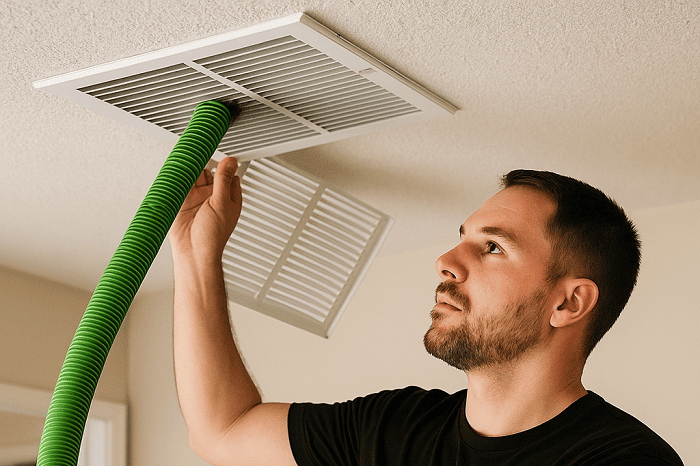
Common Types of Duct Materials in Homes
Residential ductwork generally falls into three categories:
- Sheet Metal Ducts: Made from galvanized steel or aluminum, these are rigid, durable, and have a metallic appearance. They are the most common in modern homes and are preferred for their longevity and ease of cleaning.
- Fiberglass Lined Ducts: These are either metal ducts lined internally with fiberglass or ducts made entirely from fiberglass panels. The lining provides insulation and noise reduction but can deteriorate over time.
- Flexible Ducts: Usually constructed with a metal wire coil covered by a plastic and fiberglass insulation layer. They are more common in newer installations and tight spaces.
If you’re unsure which type you have, a combination of the visual and tactile checks above can help you confirm.
Maintenance and Cleaning Considerations
The cleaning approach you use depends on the duct material. Metal ducts can handle more aggressive cleaning methods, including vacuuming and brushing. Fiberglass-lined ducts require gentle handling to avoid damaging the insulation or releasing fibers into the air.
For step-by-step instructions on safe cleaning, check out this detailed guide to cleaning air ducts yourself. If you’re considering a DIY approach, be sure to use the right tools and techniques for your duct type to prevent damage and maintain air quality.
You can also refer to our in-depth resource on how to clean air ducts yourself for more practical tips and safety precautions.
Signs Your Ducts Need Inspection or Replacement
Regardless of the material, certain warning signs indicate it may be time to inspect or upgrade your ductwork:
- Visible Mold or Mildew: Especially concerning in fiberglass ducts, as the insulation can harbor spores.
- Persistent Dust or Debris: Excessive dust may signal deteriorating insulation or leaks in metal ducts.
- Unusual Odors: Musty or chemical smells can indicate mold growth or insulation breakdown.
- Airflow Issues: Reduced airflow may be caused by collapsed flexible ducts or blockages in lined or metal ducts.
- Age and Condition: Ducts over 20 years old, especially fiberglass, may need replacement due to wear and contamination.
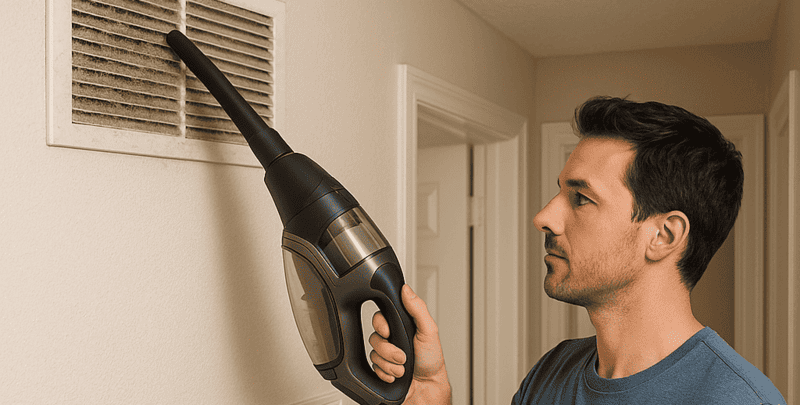
Tips for Homeowners: Checking Your Ducts Safely
Before attempting any inspection or cleaning, turn off your HVAC system to prevent dust and debris from circulating. Use a flashlight and a mirror to look inside vents and registers. Wear gloves and a mask, especially if you suspect mold or deteriorating insulation.
If you notice damage, mold, or excessive dust, consider consulting a professional. For more on how duct cleanliness impacts your living space, see our article on the impact of dusty ducts on indoor air quality.
Frequently Asked Questions
How can I tell if my ducts are lined with fiberglass?
Look for a fuzzy or textured surface inside the duct, often yellow, pink, or white. The insulation may be visible at seams or where the duct connects to registers. If you see a soft, padded layer instead of bare metal, it’s likely fiberglass.
Are metal ducts better than fiberglass ducts?
Both materials have pros and cons. Metal ducts are durable, easy to clean, and less likely to harbor mold, but they can be noisy and less energy efficient without external insulation. Fiberglass ducts offer better sound dampening and insulation but require careful cleaning and can degrade over time.
Is it safe to clean fiberglass-lined ducts myself?
Cleaning fiberglass ducts requires gentle methods to avoid damaging the insulation or releasing fibers. Use a soft brush and HEPA vacuum, and avoid harsh chemicals or high-pressure cleaning. For best results, follow a guide to the essential tools needed for DIY duct cleaning and consider professional help if you notice mold or severe contamination.
How often should I inspect or clean my air ducts?
Inspection is recommended every 2–3 years, or sooner if you notice dust, odors, or airflow issues. Cleaning frequency depends on your home’s environment and duct material. For expert recommendations, see our article on how often should air ducts be cleaned.
Conclusion
Knowing whether your home uses fiberglass or metal ductwork is key to maintaining a healthy, efficient HVAC system. By using the visual and tactile clues described above, you can confidently identify your duct type and choose the best cleaning and maintenance strategies. Regular inspection and proper care help prevent air quality issues and extend the life of your duct system.