Indoor air quality is a growing concern for homeowners, building managers, and anyone spending significant time indoors. One of the less visible but impactful threats to healthy indoor environments is the presence of airborne bacteria in HVAC system components. These microorganisms can circulate throughout homes and workplaces, potentially leading to a range of health issues, especially for those with allergies, asthma, or compromised immune systems.
Understanding how bacteria become airborne and spread via heating, ventilation, and air conditioning systems is crucial for maintaining a safe and comfortable indoor environment. This article explores the sources, risks, and practical solutions for controlling microbial contamination in ductwork and air handlers.
If you’re interested in learning more about related indoor air quality issues, you may also want to read about the symptoms of sick building syndrome from ducts, which can overlap with problems caused by microbial contamination.
How Bacteria Become Airborne in HVAC Systems
HVAC systems are designed to move air efficiently throughout a building, but this same function can inadvertently help spread bacteria and other microorganisms. Dust, moisture, and organic debris can accumulate in ductwork, filters, and coils, creating an ideal environment for microbial growth. When the system operates, these bacteria can detach from surfaces and become airborne, traveling through vents and into occupied spaces.
Some common sources of bacterial contamination in HVAC components include:
- Condensation and moisture buildup in ducts or drip pans
- Accumulation of dust, pet dander, and organic material
- Neglected or infrequently changed air filters
- Standing water in humidifiers or cooling coils
Once airborne, these bacteria can be inhaled by building occupants, leading to a range of potential health effects.
Health Risks Linked to Airborne Bacteria in Ductwork
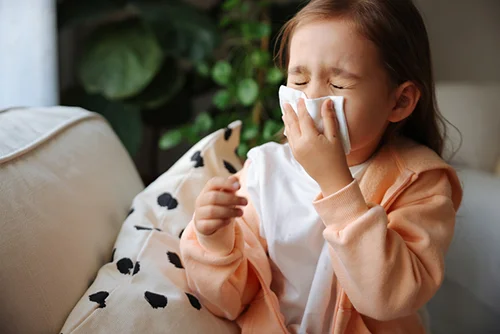
Exposure to airborne bacteria in HVAC system components can trigger or worsen several health conditions. While healthy individuals may experience only mild symptoms, vulnerable populations—such as children, the elderly, and those with respiratory issues—are at greater risk.

The most common health concerns associated with microbial contamination in HVAC systems include:
- Respiratory irritation: Sneezing, coughing, sore throat, and nasal congestion can occur when bacteria-laden particles are inhaled.
- Allergic reactions: Some bacteria can trigger allergic responses, similar to dust mites or mold spores.
- Asthma exacerbation: People with asthma may experience worsened symptoms due to airborne irritants.
- Infections: In rare cases, certain bacteria can cause respiratory infections, especially in immunocompromised individuals.
- General malaise: Headaches, fatigue, and difficulty concentrating may be linked to poor indoor air quality.
If you notice recurring symptoms among building occupants, it may be worth investigating the HVAC system as a possible source. For a broader look at indoor air quality warning signs, see this guide to identifying bad home air quality.
Signs of Bacterial Contamination in Your HVAC System
Detecting airborne bacteria in HVAC system components isn’t always straightforward. However, certain warning signs can indicate a problem:
- Persistent musty or unpleasant odors when the system runs
- Visible mold or slime inside vents or around drip pans
- Unexplained allergy or respiratory symptoms among occupants
- Excessive dust or debris buildup on vent covers and filters
- Water stains or leaks near HVAC equipment
Regular inspection and maintenance are key to catching these issues early. If you’re unsure about the cleanliness of your ductwork, consider professional evaluation or testing.
Prevention and Control Strategies
Reducing the spread of bacteria through HVAC systems involves a combination of maintenance, filtration, and environmental control. Here are some effective steps:
- Change air filters regularly: Use high-efficiency filters such as HEPA or electrostatic models to capture bacteria and other particulates.
- Control humidity: Keep indoor humidity between 30% and 50% to discourage microbial growth.
- Clean ducts and components: Schedule periodic cleaning of ductwork, coils, and drip pans. For tips on safe cleaning, explore how to clean insulated ductwork safely.
- Use UV-C lights: Installing ultraviolet lights in air handlers can help neutralize bacteria and mold spores as air passes through.
- Address water leaks promptly: Repair leaks and dry wet areas quickly to prevent bacterial colonization.
- Consider air purifiers: Portable HEPA air purifiers can further reduce airborne bacteria in high-risk areas.
Implementing these measures can significantly reduce the risk of bacterial contamination and improve overall air quality. For those considering advanced options, learning about the role of UV lights in duct cleanliness can provide further insight into long-term prevention.
When to Seek Professional Help
While regular filter changes and basic cleaning can be handled by most homeowners, some situations require professional intervention. If you notice persistent odors, visible mold, or ongoing health symptoms, it’s wise to consult an HVAC specialist. Professionals can perform deep cleaning, duct disinfection, and system upgrades to address severe contamination.
In commercial or multi-family buildings, routine inspections and maintenance contracts are recommended to ensure compliance with health and safety standards.
Frequently Asked Questions
How often should HVAC filters be replaced to control bacteria?
For most homes, air filters should be changed every 1–3 months. If you have pets, allergies, or live in a dusty environment, consider replacing filters more frequently. High-efficiency filters like HEPA or electrostatic models are especially effective at trapping bacteria and other small particles.
Can UV lights in HVAC systems really kill bacteria?
Yes, UV-C lights installed in air handlers or ducts can help neutralize bacteria, viruses, and mold spores as air passes over the light source. While not a substitute for physical cleaning, UV lights are a valuable addition to a comprehensive air quality strategy.
What are the best ways to prevent bacterial growth in ductwork?
The most effective strategies include controlling humidity, promptly fixing leaks, regularly cleaning ducts and coils, and using high-quality air filters. Portable air purifiers and UV-C lights can further reduce airborne bacteria, especially in high-risk environments.
Is professional duct cleaning necessary for every home?
Not every home needs frequent duct cleaning, but if you notice signs of contamination—such as odors, visible mold, or unexplained health symptoms—professional cleaning can be beneficial. Homes with recent water damage, renovations, or pest infestations should also consider a thorough inspection and cleaning.
Conclusion
Bacterial contamination in HVAC systems is a real concern for indoor air quality and occupant health. By understanding how bacteria spread through ductwork and taking proactive steps—such as regular maintenance, improved filtration, and humidity control—you can significantly reduce the risks. For those seeking more advanced solutions, UV-C lights and professional cleaning services offer additional layers of protection.
Prioritizing clean air not only supports physical health but also enhances comfort and productivity in any indoor space.