Maintaining clean air ducts is essential for healthy indoor air quality and efficient HVAC system performance. Among the various techniques available, the power vacuuming method stands out for its effectiveness in removing dust, debris, and contaminants from ductwork. But what is the power vacuuming method and why is it considered one of the most thorough approaches to duct cleaning?
This article explores the process, benefits, and considerations of this advanced cleaning technique. You’ll also discover how it compares to other methods, when it’s recommended, and what to expect if you hire a professional service. For those interested in related topics, you can learn more about how to clean insulated ductwork safely to ensure every part of your HVAC system is properly maintained.
Understanding the Power Vacuuming Approach
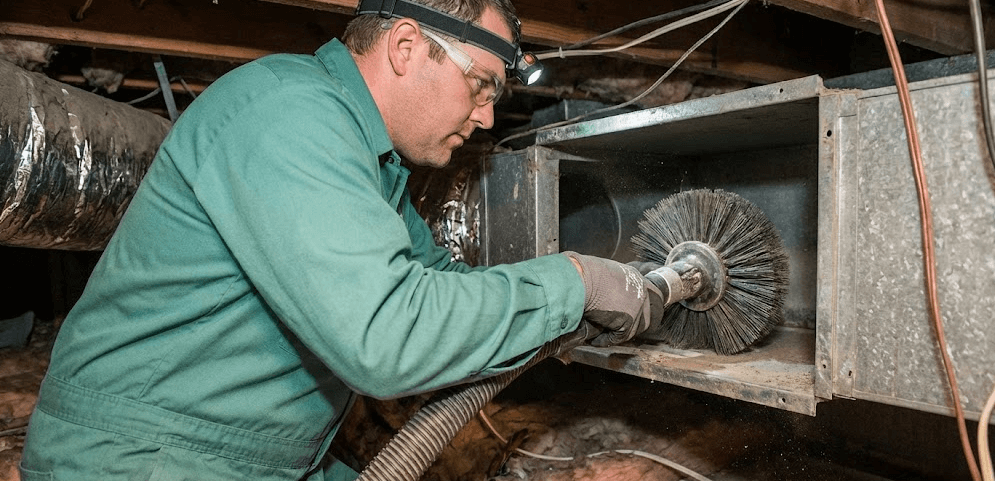
The power vacuuming method refers to a specialized duct cleaning process that utilizes high-powered vacuum equipment to extract dust, allergens, mold spores, and other contaminants from air duct systems. Unlike basic vacuuming or brushing, this method employs industrial-strength negative air machines or truck-mounted vacuums that create strong suction throughout the ductwork.
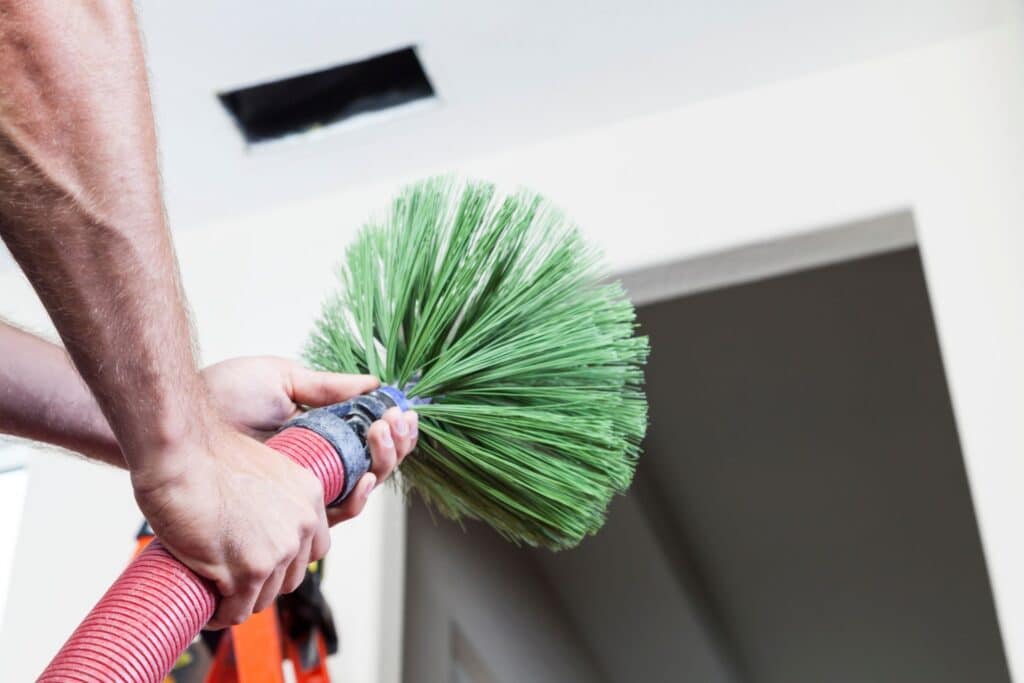
During the procedure, technicians connect the vacuum system to the main trunk line of the ductwork. All vents and registers are sealed off to maximize suction. Agitation devices, such as rotary brushes or compressed air whips, are used to dislodge stubborn debris from duct surfaces. The loosened particles are then pulled directly into the vacuum, preventing them from circulating back into the indoor environment.
Key Steps in the Power Vacuuming Process
To better understand what is the power vacuuming method in practical terms, it’s helpful to break down the typical workflow:
- Inspection: The technician inspects the duct system, identifying areas with heavy buildup or potential issues like mold or pests.
- Preparation: All supply and return vents are sealed to ensure maximum negative pressure. The vacuum hose is attached to the main duct line, often near the furnace or air handler.
- Agitation: Mechanical brushes, air whips, or compressed air tools are inserted into the ducts to loosen dust and debris from the walls and corners.
- Extraction: The high-powered vacuum creates strong airflow, pulling all loosened contaminants into a sealed collection unit outside the living space.
- Final Inspection: After cleaning, the technician inspects the ducts again to ensure thorough removal of debris and proper system function.
This systematic approach ensures that even deeply embedded contaminants are removed, resulting in cleaner air and improved HVAC efficiency.
Benefits of Using High-Powered Vacuum Technology
There are several advantages to choosing the power vacuuming method over traditional duct cleaning techniques:
- Superior Debris Removal: The strong suction removes more dust, pet dander, pollen, and even microbial growth than standard vacuums.
- Improved Indoor Air Quality: By thoroughly extracting contaminants, this method helps reduce allergy triggers and respiratory irritants.
- Enhanced HVAC Efficiency: Clean ducts allow air to flow freely, reducing strain on your system and potentially lowering energy bills.
- Reduced Risk of Recontamination: Because the vacuum is sealed and vented outside, there’s minimal risk of dust escaping back into the home during cleaning.
- Professional Results: The process is typically performed by certified technicians using commercial-grade equipment, ensuring a higher standard of cleanliness.
For those concerned about specific contaminants, such as mold or bacteria, pairing power vacuuming with HEPA filtration or UV light technology can provide even greater protection. Learn more about the role of UV lights in duct cleanliness for additional insights.
When Should You Choose Power Vacuuming?
While regular duct cleaning can be beneficial, the power vacuuming method is especially recommended in certain situations:
- Visible Mold Growth: If you notice mold inside ducts or on HVAC components, a thorough cleaning with strong suction is essential.
- Excessive Dust or Debris: After renovations, construction, or if you see dust blowing from vents, this method ensures complete removal.
- Allergy or Asthma Concerns: Households with sensitive individuals benefit from the deeper cleaning provided by power vacuuming.
- Pest Infestations: If rodents or insects have entered the ductwork, a powerful vacuum can help remove droppings and nesting materials.
- Long Periods Without Cleaning: If it’s been several years since your last duct service, a more intensive approach may be needed.
The EPA offers guidance on when duct cleaning is necessary, emphasizing the importance of addressing visible contamination and ensuring proper cleaning methods are used.

Comparing Power Vacuuming to Other Duct Cleaning Methods
Not all duct cleaning services are created equal. Here’s how the power vacuuming method compares to other common approaches:
| Method | Equipment Used | Effectiveness | Best For |
|---|---|---|---|
| Power Vacuuming | Truck-mounted or portable high-powered vacuums, agitation tools | High – removes most debris and contaminants | Deep cleaning, heavy buildup, allergy control |
| Basic Vacuuming | Shop vacuums, handheld units | Low to moderate | Light dust, routine maintenance |
| Brushing Only | Manual or rotary brushes | Moderate | Surface cleaning, small systems |
| Compressed Air | Air whips, blowguns | Moderate | Loosening debris, supplementing vacuuming |
For comprehensive results, power vacuuming is generally the preferred choice, especially in larger homes or commercial settings.
What to Expect During a Professional Cleaning
If you decide to hire a professional for this advanced cleaning technique, here’s what the process typically involves:
- Initial Assessment: The technician will inspect your ductwork, often using cameras or borescopes. For more on this technology, see how to use a borescope for duct inspection.
- Preparation: Furniture and belongings near vents are protected, and the work area is set up for safety and efficiency.
- Cleaning: The vacuum and agitation tools are used as described earlier, with attention to all accessible ducts, registers, and HVAC components.
- Post-Cleaning Review: The technician may show you before-and-after images or videos to verify the results.
- Recommendations: You may receive advice on filter changes, system maintenance, or additional services like sanitization or UV light installation.
Expect the process to take several hours, depending on the size and complexity of your duct system.
Frequently Asked Questions
How often should air ducts be cleaned using power vacuuming?
Most experts recommend professional duct cleaning every 3–5 years, but homes with pets, allergies, or recent renovations may benefit from more frequent service. Signs like visible dust, musty odors, or reduced airflow can also indicate it’s time for a thorough cleaning.
Is the power vacuuming method safe for all types of ductwork?
Yes, when performed by trained professionals, this method is safe for most duct materials, including metal and flexible ducts. However, technicians will assess your system to ensure the equipment and agitation tools are appropriate for your specific setup.
Can power vacuuming remove mold and bacteria from ducts?
While this method is highly effective at removing mold spores and bacteria-laden dust, additional steps such as applying EPA-registered disinfectants or installing UV lights may be recommended for severe contamination. Learn more about symptoms of sick building syndrome from ducts to understand the health risks of dirty ductwork.
Conclusion
The power vacuuming method offers a powerful, professional-grade solution for deep duct cleaning. By using high-powered suction and agitation tools, it ensures the removal of dust, allergens, and contaminants that can impact indoor air quality and HVAC performance. Whether you’re dealing with visible buildup, allergy concerns, or just want peace of mind, this approach is a reliable choice for maintaining a healthier home or business environment.