Maintaining clean air ducts is essential for healthy indoor air quality and efficient HVAC system performance. One of the most practical tools for this task is the air duct brush. But for many homeowners and facility managers, understanding what this tool is and how to use it effectively can make a significant difference in results. This article explores the basics of air duct brushes, their benefits, and step-by-step instructions for proper use. Whether you’re a DIY enthusiast or simply want to know more before hiring a professional, you’ll find actionable advice here.
Before diving into the details, it’s worth noting that keeping ductwork clean not only reduces allergens and dust but also helps prevent issues like symptoms of sick building syndrome from ducts. Using the right tools and techniques is key to achieving a thorough clean and maintaining a healthier environment.
Understanding Air Duct Brushes
An air duct brush is a specialized cleaning tool designed to remove dust, debris, and contaminants from the inside surfaces of HVAC ductwork. These brushes come in various shapes and sizes, but most feature stiff bristles attached to a flexible rod or rotary head. Some are manually operated, while others can be attached to a drill or vacuum for increased cleaning power.
Key features of air duct brushes include:
- Bristle Material: Nylon or synthetic bristles are common, offering durability and flexibility.
- Adjustable Length: Many brushes have extendable rods to reach deep into ductwork.
- Rotary Action: Some models spin to dislodge stubborn dust and debris.
Choosing the right brush depends on your duct size, shape, and the level of buildup present. For insulated or delicate ductwork, always select a brush that won’t damage the lining. For more on this, see our guide on how to clean insulated ductwork safely.
Benefits of Using a Duct Cleaning Brush
Regular use of a duct cleaning brush offers several advantages:
- Improved Air Quality: Removing dust and allergens helps create a healthier indoor environment.
- Energy Efficiency: Clean ducts allow air to flow freely, reducing strain on your HVAC system and lowering energy bills.
- Extended Equipment Life: Less dust in the system means less wear and tear on fans, filters, and other components.
- Odor Reduction: Cleaning removes mold, mildew, and other sources of unpleasant smells.
For those interested in advanced duct maintenance, integrating other methods such as the role of UV lights in duct cleanliness can further enhance air quality and system performance.
Step-by-Step Guide: Using an Air Duct Brush Safely
To get the most out of your duct brush, follow these steps for safe and effective cleaning:
- Turn Off Your HVAC System: Always shut down your heating or cooling system before starting any cleaning to avoid circulating dust.
- Access the Ducts: Remove vent covers or grilles with a screwdriver. Set them aside for cleaning later.
- Inspect the Ducts: Use a flashlight to check for visible dust, debris, or mold. If you notice extensive buildup or signs of pests, consider professional help.
- Choose the Right Brush: Select a brush that matches the diameter of your ducts. For flexible ducts, use a soft-bristled brush to avoid damage.
- Brush the Duct Interior: Insert the brush into the duct and gently scrub the walls. For longer ducts, use an extendable rod or attach the brush to a drill for rotary action. Move the brush back and forth to loosen dust and debris.
- Vacuum Debris: Use a shop vacuum with a HEPA filter to remove loosened dust. Hold the vacuum hose near the brush as you work for best results.
- Clean Vent Covers: Wash vent covers with warm, soapy water and let them dry before reinstalling.
- Reassemble and Test: Replace vent covers and turn your HVAC system back on. Check airflow and listen for any unusual noises.
For a more detailed walkthrough, you can refer to this comprehensive guide on cleaning air ducts from HomeServe.
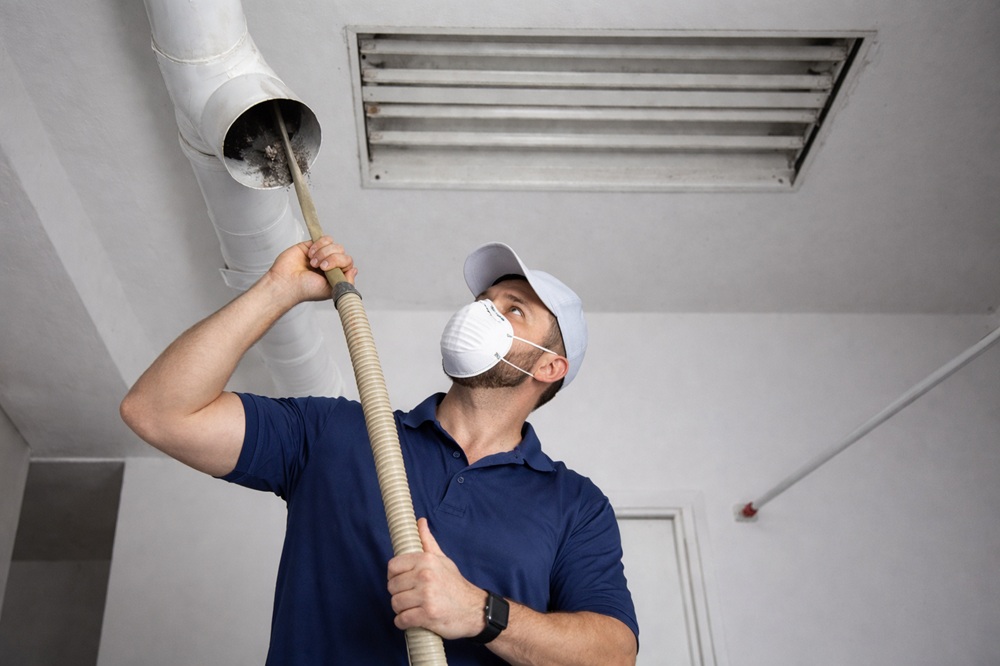
Tips for Effective and Safe Duct Cleaning
Using a duct cleaning brush is straightforward, but a few best practices can help you achieve better results and avoid common mistakes:
- Wear Protective Gear: Use gloves, a dust mask, and safety glasses to protect yourself from dust and allergens.
- Don’t Overforce the Brush: Forcing a brush through tight bends or delicate ducts can cause damage. Use gentle, steady pressure.
- Clean Regularly: For most homes, cleaning ducts every 2–3 years is sufficient. If you have pets, allergies, or recent renovations, consider more frequent cleaning.
- Check for Moisture: If you find damp spots or mold, address the source of moisture before cleaning. Mold may require professional remediation.
- Combine with Other Methods: Pairing brushing with vacuuming or negative air pressure systems can yield a deeper clean. Learn more about understanding the negative air pressure method for duct cleaning.
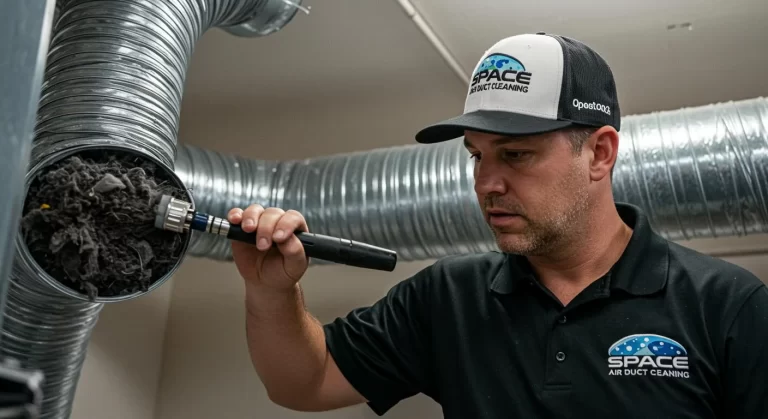
When to Call a Professional
While many homeowners can use a duct brush for routine maintenance, there are situations where professional help is recommended:
- Visible mold growth inside ducts or on HVAC components
- Persistent odors that don’t resolve after cleaning
- Evidence of rodents, insects, or other pests
- Extensive dust buildup that manual brushing cannot remove
- Complex duct layouts or hard-to-reach areas
Professionals have access to advanced equipment and can ensure a thorough, safe cleaning process. They may also offer additional services, such as sanitizing and sealing ducts, for long-term protection.
Frequently Asked Questions
How often should I clean my air ducts with a brush?
For most homes, using a duct cleaning brush every 2–3 years is sufficient. However, if you have pets, allergies, or recent construction, more frequent cleaning may be beneficial.
Can I use a regular brush instead of a specialized duct brush?
It’s best to use a brush designed specifically for ductwork. Regular household brushes may not reach deep enough or could damage delicate duct linings. Specialized brushes are built to navigate bends and clean thoroughly without causing harm.
What are the signs that my ducts need cleaning?
Common signs include increased dust around vents, reduced airflow, musty odors, and visible debris inside the duct openings. If you notice any of these, it may be time to clean your ducts or consult a professional.
Conclusion
Understanding what an air duct brush is and how to use it can help you maintain cleaner air and a more efficient HVAC system. By selecting the right tools, following safe cleaning steps, and knowing when to seek professional assistance, you can protect your indoor air quality and extend the life of your equipment. For more tips on keeping your ductwork in top condition during home projects, check out these ways to keep ducts clean during remodeling.