Moving into a newly built house is exciting, but it often comes with an unexpected challenge: persistent dust. Construction activities leave behind fine particles that can linger for months, affecting air quality and cleanliness. Understanding the most effective ways to reduce dust in a new home is essential for creating a healthy, comfortable living environment from day one.
Dust in new builds isn’t just unsightly—it can aggravate allergies, impact HVAC performance, and settle on every surface. Fortunately, there are practical steps you can take to minimize dust, protect your investment, and enjoy your new space to the fullest. This guide covers proven strategies, from air filtration to cleaning routines, so you can breathe easier in your new residence.
For those interested in maintaining their HVAC system’s cleanliness, learning how to clean insulated ductwork safely can further reduce dust and improve air quality in your new home.
Why Is Dust So Common in Newly Built Homes?
Fresh construction sites are notorious for leftover debris and fine particles. Even after a professional cleaning, dust from drywall, sawdust, insulation, and construction adhesives can remain trapped in vents, carpets, and on surfaces. These particles become airborne with daily activities, making it seem like dust is never-ending.
Additionally, new homes often lack mature landscaping, so exposed soil around the property can contribute to dust entering through doors and windows. Understanding these sources helps you target your cleaning efforts more effectively.
Air Filtration: The First Line of Defense
One of the most effective ways to reduce dust in a new home is to invest in high-quality air filtration. Your HVAC system plays a crucial role in circulating air and capturing airborne particles. Upgrading to HEPA filters or using portable air scrubbers can significantly lower dust levels.
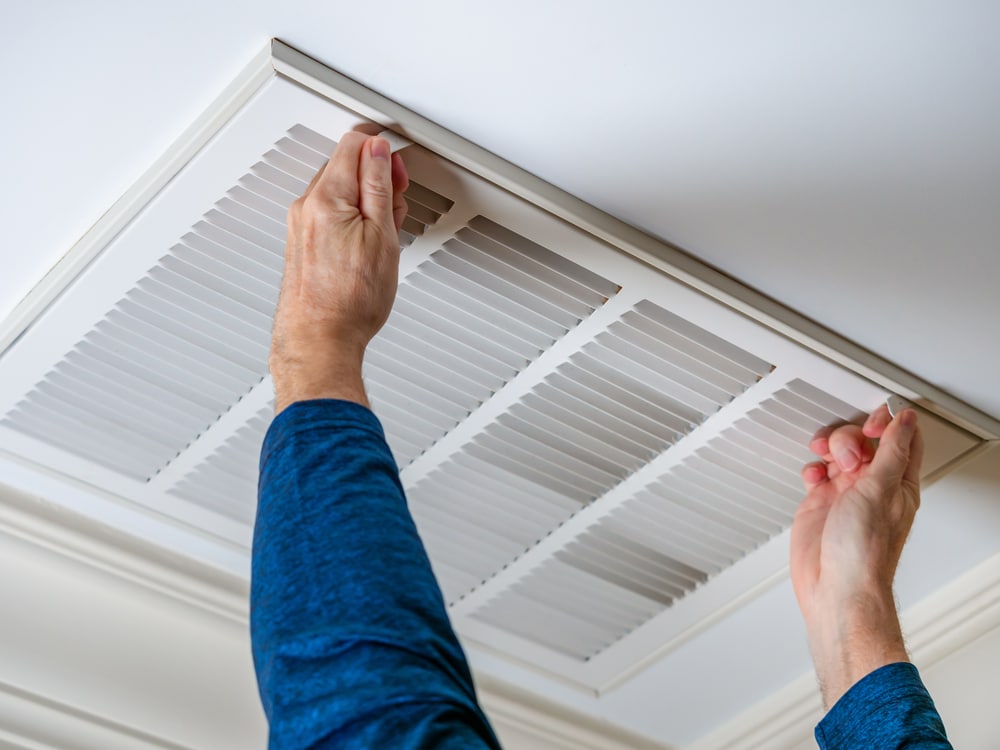
- Replace HVAC Filters Frequently: During the first few months, change filters every 30 days or sooner if they appear dirty.
- Use HEPA Air Scrubbers: These devices trap fine dust and allergens, providing cleaner air throughout your home.
- Seal Ductwork: Ensuring ducts are properly sealed prevents construction dust from recirculating.
Smart Cleaning Routines for New Homes
Regular, targeted cleaning is essential for keeping dust at bay. Start with a deep clean right after move-in, focusing on areas where dust tends to accumulate:
- Wipe All Surfaces: Use microfiber cloths to trap dust on shelves, baseboards, window sills, and light fixtures.
- Vacuum with HEPA Filters: Standard vacuums can recirculate fine dust. A vacuum equipped with a HEPA filter captures more particles and prevents redistribution.
- Mop Floors Frequently: Hard floors should be damp-mopped at least twice a week to remove settled dust.
- Clean Behind Appliances: Dust often hides behind refrigerators, stoves, and washers—don’t overlook these spots.
For those with pets, understanding the ideal frequency of duct cleaning for pet owners can further help manage dust and dander in your new environment.
Managing Dust at Entry Points
Preventing dust from entering your home is as important as cleaning it up. Focus on these strategies to minimize outdoor particles making their way inside:
- Install Doormats: Place heavy-duty mats at all entrances and encourage everyone to wipe their feet.
- Shoe-Free Policy: Leaving shoes at the door prevents tracking in construction debris and soil.
- Seal Windows and Doors: Check for gaps or unfinished seals that could allow dust to enter and address them promptly.
- Landscaping: Cover exposed soil with mulch, grass, or gravel to reduce dust blowing toward the house.
Ventilation and Ductwork Maintenance
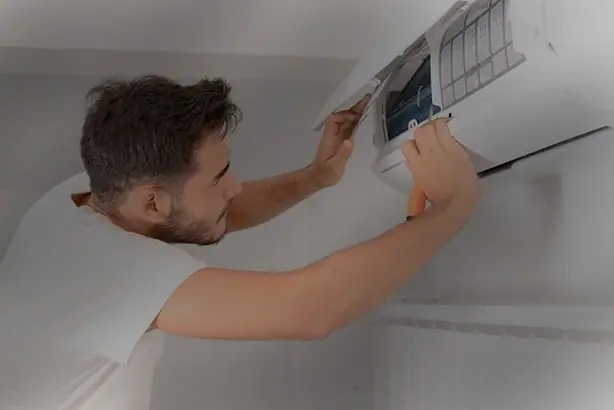
Proper ventilation is vital for reducing airborne particles. Running exhaust fans in bathrooms and kitchens helps expel dust and humidity. Additionally, keeping your ductwork clean is crucial, especially after construction.
If you’re considering a DIY approach, this step-by-step guide on cleaning air ducts yourself offers practical tips for homeowners. Regular duct maintenance not only improves air quality but also extends the life of your HVAC system.
Additional Tips for Minimizing Construction Dust
- Keep Windows Closed During Windy Days: This prevents outdoor dust from entering, especially if landscaping is unfinished.
- Use Air Purifiers in Bedrooms: Portable units with HEPA filters are effective in sleeping areas where clean air is most important.
- Monitor Humidity: Dust settles more quickly in dry air. Using a humidifier can help keep particles from becoming airborne.
- Schedule Professional Cleanings: Consider hiring a cleaning service specializing in post-construction cleaning for a thorough job.
For ongoing maintenance, learning about the role of UV lights in duct cleanliness can offer an extra layer of protection against dust and microbial growth inside your HVAC system.
Common Mistakes to Avoid
While focusing on ways to reduce dust in a new home, avoid these pitfalls:
- Neglecting HVAC Maintenance: Failing to replace filters or clean ducts allows dust to circulate indefinitely.
- Using Feather Dusters: These simply move dust around rather than capturing it. Microfiber is far more effective.
- Delaying Landscaping: Bare soil around your home will continue to generate dust until it’s covered.
- Ignoring High-Traffic Areas: Entryways and hallways accumulate dust quickly and need extra attention.
FAQ
How long does construction dust linger in a new home?
Construction dust can persist for several months after move-in, especially if the home wasn’t deep cleaned before occupancy. Regular cleaning, proper air filtration, and sealing entry points can help speed up the process of eliminating residual dust.
Is it safe to use my HVAC system right after moving in?
Yes, but it’s important to replace or upgrade your HVAC filters immediately and consider a professional duct cleaning. This prevents construction particles from circulating and helps maintain healthy indoor air.
What type of vacuum is best for removing fine dust?
A vacuum with a HEPA filter is most effective for capturing fine construction dust. Standard vacuums may release particles back into the air, so investing in a HEPA-equipped model is recommended for new homes.
Can landscaping really help with indoor dust?
Absolutely. Covering exposed soil with grass, mulch, or gravel reduces the amount of dust that can be tracked or blown inside, making it a key strategy for minimizing indoor dust in new builds.
By following these proven strategies and maintaining a consistent cleaning routine, you can dramatically reduce dust in your new residence and enjoy a healthier, more comfortable living space from the start.