Rotary brush systems are widely used for cleaning and maintenance in a variety of industries, from HVAC ductwork to industrial machinery and commercial facilities. Understanding the rotary brush system components is crucial for anyone looking to maximize cleaning efficiency, ensure safety, and extend equipment lifespan. This article breaks down the key parts, their functions, and what to consider when selecting or maintaining these systems.
Whether you’re a facility manager, professional cleaner, or a homeowner tackling dryer vents, knowing how each part works together can help you achieve better results. For a deeper dive into the technology and its diverse uses, you can explore rotary brush system applications and discover how these systems adapt to various cleaning challenges.
Overview of Rotary Brush Cleaning Systems
A rotary brush cleaning system is designed to remove dust, debris, and contaminants from surfaces using a spinning brush mechanism. These systems are commonly found in air duct cleaning, industrial equipment maintenance, and even in household dryer vent cleaning kits. The effectiveness of the system depends on how well its individual parts work together.
Before delving into each component, it’s helpful to understand how rotary brush systems work. The core principle involves rotating a brush at controlled speeds to dislodge and capture particles, often with the assistance of suction or airflow.
Key Rotary Brush System Components
Every rotary brush setup consists of several essential elements. Below, we outline the most important parts and their roles in the cleaning process.
1. Power Source and Drive Mechanism
The heart of any rotary brush system is its power source. This can be an electric motor, a cordless drill, or a pneumatic drive, depending on the application. The drive mechanism provides the rotational force needed to spin the brush at the required speed.
- Electric motors are common in industrial and commercial systems, offering consistent power and speed control.
- Drill-adapted systems are popular for residential use, especially for dryer vent and duct cleaning kits.
- Pneumatic drives are used in specialized industrial environments where compressed air is readily available.
Selecting the right power source ensures the brush rotates efficiently without causing damage to surfaces or the equipment itself.
2. Flexible Shaft or Rod Assembly
Connecting the power source to the brush head, the flexible shaft or rod assembly is a critical part of the system. It transmits rotational energy while allowing the brush to navigate bends, corners, and long runs—essential for ductwork or pipe cleaning.
- Flexible rods are typically made from nylon or fiberglass, balancing strength and flexibility.
- Quick-connect couplings allow users to add or remove rod sections to reach different lengths.
- Some systems use cable-driven shafts for added maneuverability in tight spaces.
A high-quality shaft assembly ensures smooth operation and reduces the risk of breakage or kinking during use.
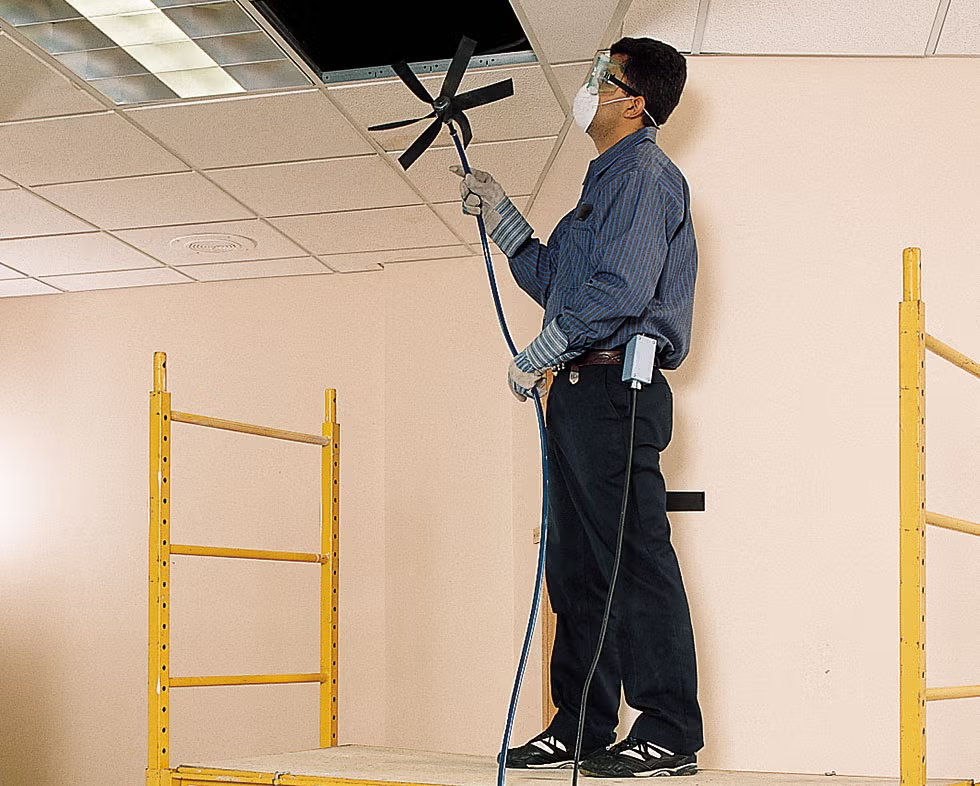
3. Brush Heads and Attachments
The brush head is the component that physically contacts and agitates the surface being cleaned. Brush heads come in a variety of shapes, sizes, and bristle materials to match specific cleaning tasks.
- Nylon bristles are gentle and suitable for most ductwork and vents.
- Steel or wire brushes are used for heavy-duty applications, such as removing rust or scale from metal surfaces.
- Specialty attachments include abrasive pads, polishing heads, or even vacuum-assisted brushes for enhanced debris removal.
Choosing the correct brush head is essential for effective cleaning and to avoid damaging the surface.
4. Debris Collection and Filtration
Many rotary brush systems are paired with a vacuum or suction unit to capture the loosened debris. This is especially important in HVAC cleaning, where dust and contaminants must be contained to prevent indoor air pollution.
- HEPA filters are often used to trap fine particles and allergens.
- Dust bags or canisters collect larger debris for easy disposal.
- Some systems feature integrated suction ports directly behind the brush head for maximum efficiency.
Proper debris collection not only improves cleaning results but also protects the health of building occupants and operators.
5. Safety and Control Features
Modern rotary brush systems include various safety and control features to protect both the user and the equipment:
- Speed controls allow operators to adjust brush rotation for different surfaces.
- Automatic shut-off mechanisms prevent overheating or overloading.
- Protective guards and ergonomic handles enhance user safety and comfort.
These features are particularly important for industrial and commercial cleaning, where prolonged use and challenging environments are common.

Choosing and Maintaining Rotary Brush System Parts
Selecting the right combination of parts is essential for achieving optimal cleaning results. Consider the following when evaluating or maintaining your system:
- Match the brush head material and size to the surface and type of debris.
- Ensure the shaft or rod assembly is compatible with the length and bends of your cleaning area.
- Check that the power source delivers adequate torque and speed for your application.
- Regularly inspect and replace worn brushes, rods, and filters to maintain performance.
- Follow manufacturer guidelines for assembly, operation, and safety precautions.
For more details on advanced setups and industrial-grade options, see high-performance industrial rotary brush systems and learn how these solutions address demanding cleaning environments.
Comparing Rotary Brush Systems to Other Cleaning Methods
Rotary brush cleaning is just one approach among several available for ductwork and surface maintenance. For example, some systems use negative air pressure or compressed air whips. Each method has its strengths and limitations.
A helpful comparison of these cleaning methods can be found in this guide to negative air pressure vs. rotary brush cleaning, which outlines when each technique is most effective.
Ultimately, the versatility and adaptability of rotary brush system components make them a preferred choice for many cleaning professionals.
Frequently Asked Questions
What are the most important parts of a rotary brush cleaning system?
The most critical elements are the power source (motor or drill), flexible shaft or rod assembly, brush head, and debris collection unit. Each part plays a specific role in ensuring efficient and safe cleaning.
How do I choose the right brush head for my application?
Select a brush head based on the material and shape of the surface you’re cleaning. Use softer nylon bristles for delicate ductwork and tougher wire brushes for heavy-duty or metal surfaces. Always consult manufacturer recommendations.
How often should I replace rotary brush system components?
Inspect brush heads, rods, and filters regularly for wear and tear. Replace them as soon as you notice reduced cleaning efficiency, visible damage, or according to the manufacturer’s maintenance schedule.
Conclusion
Understanding the roles and functions of each part in a rotary brush cleaning system is essential for effective maintenance and optimal results. By selecting the right components and keeping them in good condition, you can tackle a wide range of cleaning challenges safely and efficiently. For more information on the technology and its applications, see what are rotary brush systems and explore the full range of available solutions.