Rotary brush cleaning systems have become essential tools across a wide range of industries, from HVAC maintenance and duct cleaning to manufacturing and facility care. These systems use rotating brushes, often powered by electric or pneumatic motors, to dislodge and remove dust, debris, lint, and contaminants from hard-to-reach spaces. Their efficiency, adaptability, and ability to deliver thorough results make them a preferred choice for professionals and facility managers seeking reliable cleaning solutions.
Whether you’re responsible for maintaining commercial buildings, industrial equipment, or residential properties, understanding how these advanced systems work—and how to choose the right one—can make a significant difference in cleaning quality and operational efficiency. For a deeper dive into the technology and its applications, you can explore what are rotary brush systems to get a comprehensive overview.

How Modern Rotary Brush Cleaning Systems Work
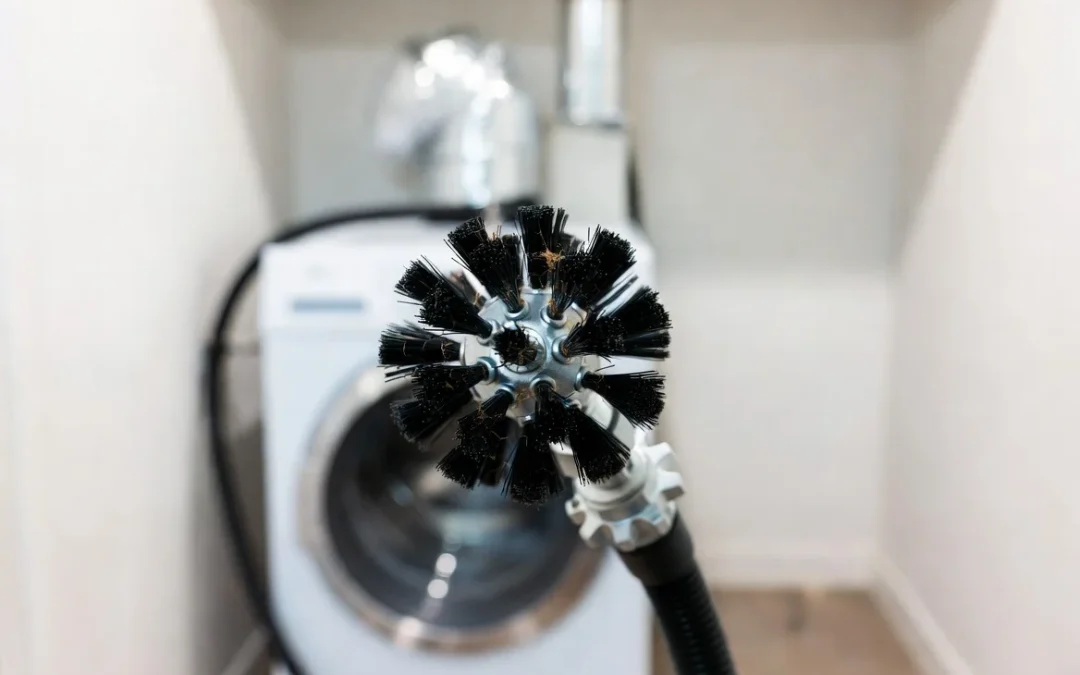
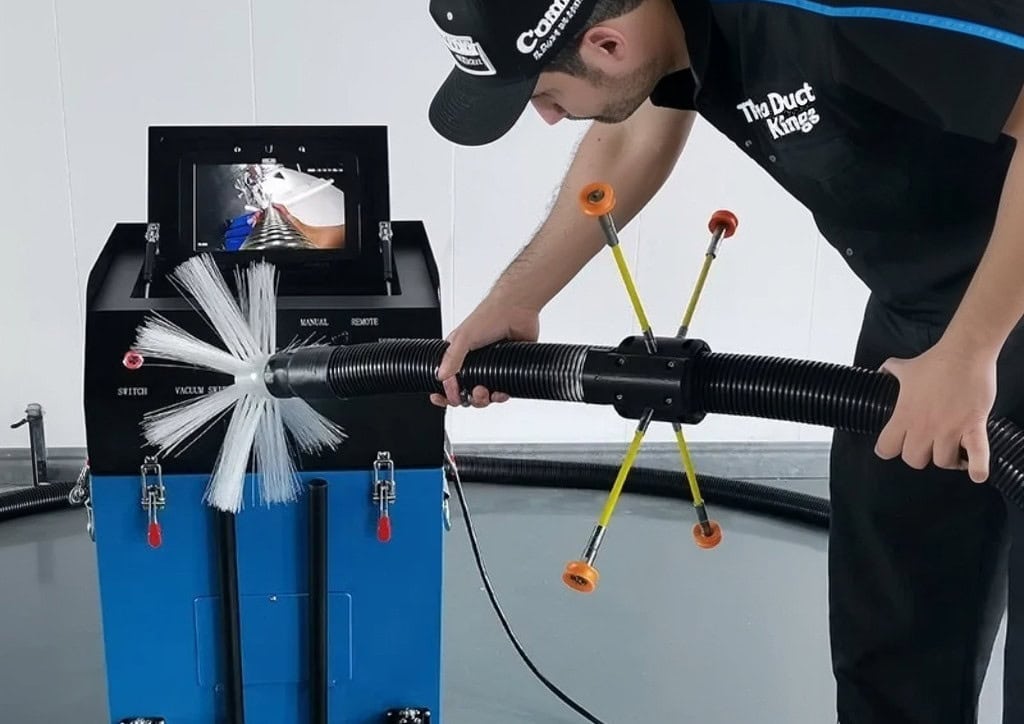
At the core of these cleaning systems is a motorized brush head that rotates at adjustable speeds. As the brush spins, its bristles agitate and loosen contaminants from surfaces such as duct walls, dryer vents, pipes, and machinery. The debris is then either swept out or captured by a connected vacuum, ensuring a thorough clean without spreading dust or allergens.
The versatility of these systems allows them to tackle a variety of cleaning tasks. For example, commercial rotary brush systems are designed for large-scale facility care, while compact versions are ideal for residential ductwork and dryer vents. Many models feature interchangeable brush heads, flexible shafts, and compatibility with HEPA vacuums for enhanced performance.
Key Benefits of Using Rotary Brush Technology
Adopting a rotary brush approach offers several advantages over manual cleaning or static brushes:
- Superior Cleaning Power: The rotating action ensures deep agitation, removing stubborn buildup and contaminants that static brushes may miss.
- Efficiency: These systems can clean long stretches of ductwork or piping quickly, reducing downtime and labor costs.
- Versatility: With a range of brush sizes and shaft lengths, they adapt to various diameters and configurations, from narrow dryer vents to large HVAC ducts.
- Improved Air Quality: By thoroughly removing dust, mold, and debris, these systems help maintain healthier indoor environments.
- Reduced Wear and Tear: Regular use prevents excessive buildup, extending the life of HVAC systems and reducing the risk of fire hazards in dryer vents.
Applications Across Industries
Rotary brush cleaning solutions are used in a variety of settings, each with unique requirements:
- HVAC Duct Cleaning: Essential for removing dust, pollen, and mold from air ducts, improving system efficiency and indoor air quality.
- Dryer Vent Maintenance: Prevents lint buildup, reducing fire risk and enhancing dryer performance.
- Industrial Equipment: Used to clean pipes, tubes, and machinery in manufacturing plants, minimizing downtime and maintaining product quality.
- Commercial Facilities: Large-scale systems are ideal for hospitals, schools, and office buildings, where consistent cleanliness is critical.
For those managing large facilities, industrial rotary brush systems offer robust solutions tailored to demanding environments.
Choosing the Right Rotary Brush Cleaning Solution
Selecting the best system depends on several factors:
- Type of Application: Consider whether you need a system for residential, commercial, or industrial use.
- Brush Size and Flexibility: Choose brush heads and shafts that match the diameter and layout of your ducts or vents.
- Power Source: Options include electric, battery-powered, or pneumatic drives, each with different strengths.
- Vacuum Compatibility: Systems that integrate with HEPA vacuums offer superior dust containment.
- Ease of Use: Look for features like quick-change brush heads, ergonomic handles, and lightweight construction.
For a comparison of leading options, top rotary brush systems for industrial cleaning provides insights into the best products on the market.
Maintenance Tips for Long-Lasting Performance
To get the most out of your rotary brush cleaning equipment, regular maintenance is key:
- Inspect brushes for wear and replace them as needed to maintain cleaning effectiveness.
- Clean shafts and connectors after each use to prevent debris buildup and ensure smooth operation.
- Lubricate moving parts according to manufacturer guidelines to extend system life.
- Store equipment in a dry, secure location to prevent damage and corrosion.
Proper care not only extends the lifespan of your investment but also ensures consistent, high-quality cleaning results.
Understanding Rotary Brush System Technology
The technology behind these cleaning solutions continues to evolve. Modern systems feature innovations such as variable speed controls, smart sensors for detecting blockages, and advanced brush materials designed for specific contaminants. For those interested in a technical breakdown, how rotary brush systems work offers a detailed explanation of the mechanisms and engineering principles involved.
Additionally, industry resources like the rotary brush glossary provide helpful definitions and context for those new to this technology.
Frequently Asked Questions
What types of contaminants can rotary brush cleaning systems remove?
These systems are highly effective at removing dust, lint, pollen, mold, pet hair, and even stubborn debris from ducts, vents, and industrial equipment. Their rotating action ensures a thorough clean, especially in areas that are difficult to reach with manual tools.
How often should I use a rotary brush cleaning system for HVAC or dryer vents?
For residential HVAC ducts, cleaning every 3–5 years is generally recommended, while dryer vents may require annual maintenance to prevent lint buildup and fire hazards. Commercial and industrial facilities may need more frequent cleaning based on usage and environmental factors.
Are these systems safe for all types of ductwork?
Most rotary brush solutions are designed to be safe for metal and flexible ducts, but it’s important to select the correct brush size and bristle type for your specific application. Always consult manufacturer guidelines to avoid damaging delicate or older ductwork.
Conclusion
Rotary brush cleaning technology has transformed the way professionals maintain air ducts, dryer vents, and industrial systems. By choosing the right system, following best practices for maintenance, and staying informed about the latest innovations, you can achieve superior cleaning results and prolong the life of your equipment. For those managing larger facilities or seeking specialized solutions, exploring commercial rotary brush systems can provide tailored options for complex cleaning needs.