Maintaining a healthy home or business environment depends on more than just regular cleaning of visible surfaces. One often-overlooked factor is the condition of your HVAC system’s ductwork. Over time, dust, debris, and other contaminants can accumulate inside air ducts, directly affecting the quality of the air you breathe indoors. Understanding the impact of dusty ducts on indoor air quality is essential for anyone concerned about respiratory health, comfort, and energy efficiency.
When air ducts are neglected, they can become a hidden source of allergens, pollutants, and even mold spores. These contaminants circulate throughout your living or working space every time the HVAC system runs. This guide explores how dirty ductwork can compromise air purity, the risks involved, and practical steps for improvement. For a deeper look at how buildup occurs, see how dust accumulates in ventilation systems.
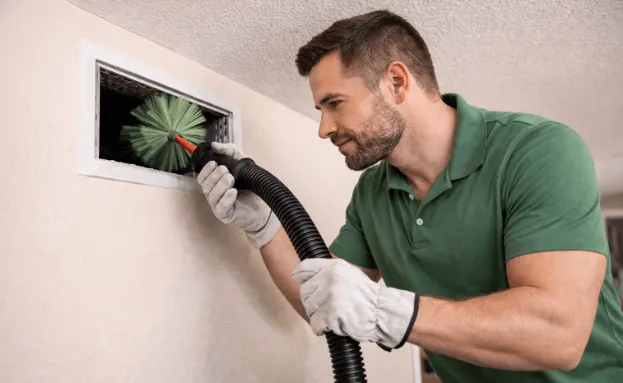
How Dirty Ducts Affect the Air You Breathe
The air inside your home or office is recirculated through the ductwork multiple times a day. When ducts are filled with dust, pet dander, pollen, and other debris, these particles are released into the air supply. This can lead to a range of problems, from increased allergy symptoms to more serious respiratory issues.
- Allergens and Irritants: Dusty ducts can distribute allergens like pollen, dust mites, and pet hair throughout your space, aggravating allergies and asthma.
- Mold Growth: Moisture trapped in ducts can foster mold, which releases spores into the air and can cause health concerns, especially for those with weakened immune systems.
- Odors: Accumulated dust and debris can trap odors from pets, cooking, or tobacco, making your indoor environment less pleasant.
If you or your family members notice frequent sneezing, coughing, or worsening allergy symptoms indoors, dirty ductwork may be a contributing factor. Regular inspection and cleaning can help reduce these risks.
Signs That Your Air Ducts May Be Contaminated
Identifying when your ductwork needs attention is crucial for maintaining good air quality. Here are some common indicators that your system may be circulating more than just air:
- Visible dust buildup around vents and registers
- Unexplained musty or stale odors
- Frequent dusting required despite regular cleaning
- Increased allergy or asthma symptoms indoors
- Evidence of mold or moisture near duct openings
If you observe any of these signs, it’s wise to consider an inspection or cleaning. For those interested in tackling the task themselves, a helpful resource is this step-by-step guide on how to clean air ducts yourself.
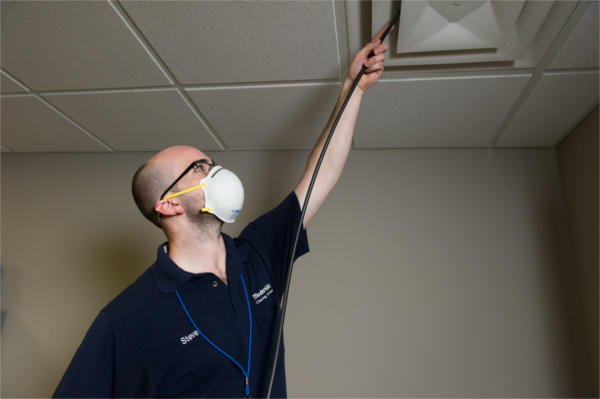
Health Risks Linked to Poor Duct Hygiene
The impact of dusty ducts on indoor air quality extends beyond discomfort and inconvenience. Prolonged exposure to airborne contaminants can have real health consequences, particularly for sensitive groups such as children, the elderly, and those with pre-existing respiratory conditions.
- Respiratory Problems: Inhaling dust, mold spores, and other particles can trigger asthma attacks, bronchitis, or other respiratory illnesses.
- Allergic Reactions: Symptoms like sneezing, runny nose, watery eyes, and skin irritation can worsen in environments with poor air quality.
- Weakened Immune Response: Long-term exposure to indoor pollutants may lower the body’s ability to fight off infections.
Addressing duct cleanliness is a proactive step toward protecting your household’s well-being. For more information on recommended cleaning intervals, see how often should air ducts be cleaned.
How Dusty Ducts Affect HVAC Efficiency and Costs
Dust and debris inside ductwork don’t just compromise air quality—they also impact the performance and lifespan of your HVAC system. When airflow is restricted by buildup, your system must work harder to maintain the desired temperature, leading to:
- Higher energy bills due to increased workload
- Uneven heating or cooling throughout the building
- Premature wear and tear on HVAC components
Keeping ducts clean helps your system run efficiently, saving money and reducing the likelihood of costly repairs. Understanding the difference between air duct cleaning and HVAC cleaning can also help you choose the right maintenance approach.

Best Practices for Maintaining Clean Ductwork
To minimize the negative effects of contaminated ducts, consider these practical steps:
- Regular Inspections: Schedule professional assessments or check your ducts for visible dust and debris.
- Timely Cleaning: Clean ducts as recommended by experts, especially after renovations or if you notice signs of contamination.
- Use High-Quality Filters: Upgrade to HEPA or electrostatic filters to trap more particles before they enter the ductwork.
- Control Humidity: Keep indoor humidity levels in check to prevent mold growth inside ducts.
- Seal Leaks: Ensure all duct joints and connections are properly sealed to prevent dust infiltration.
If you’re considering a do-it-yourself approach, make sure you have the essential tools needed for DIY duct cleaning. For those unsure about tackling the job, it’s wise to consult a professional. You can also learn more about whether it’s possible to clean your air ducts yourself from reputable sources.
Frequently Asked Questions
How often should air ducts be cleaned to maintain good air quality?
Most experts recommend cleaning air ducts every 3 to 5 years, but this can vary depending on factors like pets, allergies, recent renovations, or visible signs of contamination. Regular filter changes and inspections can help determine the right schedule for your space.
Can dirty air ducts cause health problems?
Yes, contaminated ductwork can circulate dust, mold spores, and other allergens, potentially triggering respiratory issues, allergies, and other health concerns, especially in sensitive individuals.
What are the benefits of using a HEPA air scrubber?
HEPA air scrubbers are designed to remove fine particles, allergens, and even some bacteria from the air. Using one in conjunction with clean ducts can significantly improve indoor air quality and reduce allergy symptoms.