Rotary brush wet cleaning systems have become an essential solution for maintaining cleanliness and efficiency in a wide range of industries. These systems combine the mechanical action of rotating brushes with the power of water or cleaning fluids, delivering a deep and thorough clean that manual methods simply cannot match. Whether used in HVAC ductwork, industrial machinery, or commercial facilities, these advanced cleaning tools help remove stubborn debris, dust, and contaminants, improving both hygiene and operational performance.
As technology evolves, so do the capabilities of these cleaning systems. Today’s models are more efficient, versatile, and user-friendly than ever before. They are engineered to tackle complex cleaning challenges in environments where precision and reliability are critical. For those seeking to stay ahead of the curve, understanding the latest developments and best practices in this field is key. For a broader perspective on industry advancements, consider exploring rotary brush cleaning technology trends for insights into emerging innovations.
How Rotary Brush Wet Cleaning Systems Work
At the core of these cleaning solutions is a rotating brush mechanism that agitates and dislodges dirt, dust, and other contaminants from surfaces. When combined with water or specialized cleaning agents, the system can break down and flush away even the most persistent residues. This dual-action approach is especially effective in applications like duct cleaning, where dry brushing alone may leave behind fine particles or sticky buildup.
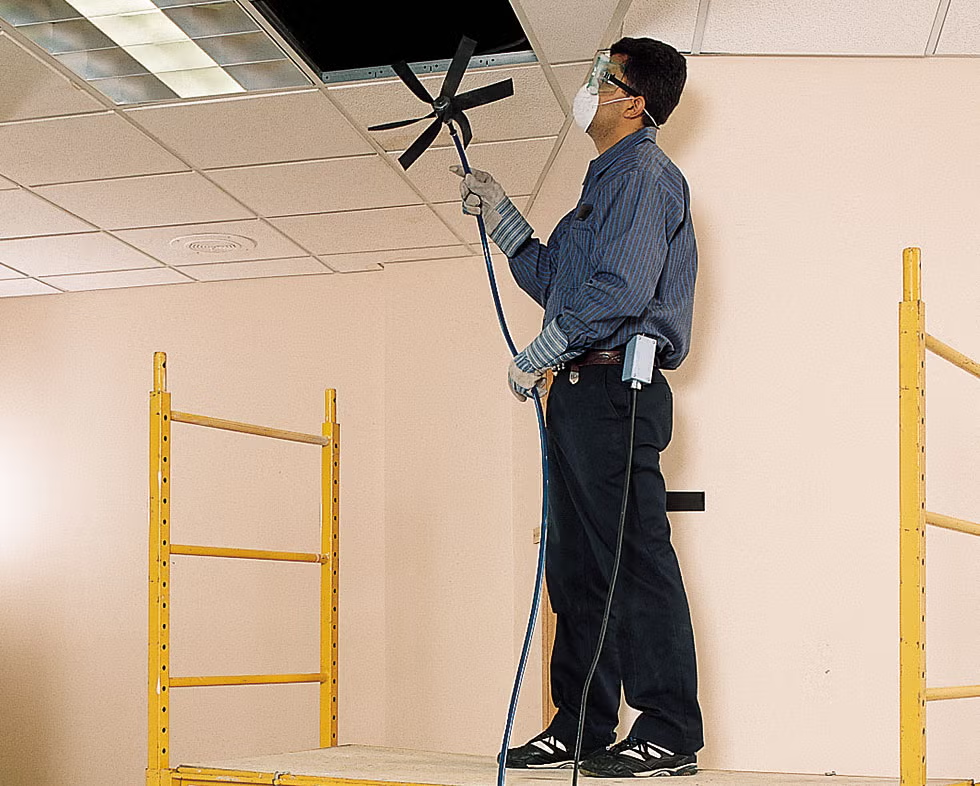
The process typically involves inserting a flexible shaft or rod with a brush head into the area to be cleaned. As the brush rotates, water is sprayed or injected, loosening debris and carrying it away. Many systems also feature adjustable speed controls, interchangeable brush heads, and compatibility with various cleaning fluids, allowing operators to tailor the process to specific needs.
Key Benefits of Modern Wet Rotary Brush Solutions
Adopting advanced wet rotary brush systems brings a host of advantages to both commercial and industrial cleaning operations:
- Superior Cleaning Performance: The combination of mechanical scrubbing and wet rinsing ensures a more complete removal of contaminants compared to dry methods.
- Improved Air Quality: In HVAC applications, these systems help eliminate dust, mold, and allergens from ductwork, supporting healthier indoor environments.
- Reduced Downtime: Efficient cleaning means less disruption to operations, as systems can often be cleaned in place with minimal disassembly.
- Versatility: With a range of brush types and sizes, these tools can be adapted for everything from delicate surfaces to heavy-duty industrial equipment.
- Cost Savings: By extending equipment life and reducing the need for manual labor, businesses can achieve significant long-term savings.
Applications Across Industries
Wet rotary brush cleaning technology is utilized in a diverse array of settings. Some of the most common applications include:
- HVAC Ductwork: Removing dust, lint, and biological contaminants from air ducts to improve system efficiency and air quality.
- Commercial Kitchens: Cleaning grease and residue from exhaust systems, hoods, and vents to meet safety standards.
- Industrial Equipment: Maintaining machinery, conveyor belts, and production lines by removing buildup that can cause malfunctions.
- Healthcare Facilities: Ensuring sterile environments by thoroughly cleaning ventilation and exhaust systems.
- Food Processing: Sanitizing equipment and surfaces to prevent contamination and comply with regulatory requirements.
For those interested in how these solutions are tailored for larger operations, the article on rotary brush solutions for industrial facilities provides valuable insights.
Comparing Wet Rotary Brush Systems to Other Cleaning Methods
While there are several methods available for cleaning ducts and industrial surfaces, wet rotary brush systems stand out for their effectiveness and adaptability. Traditional vacuum-based or negative air pressure systems are often used for duct cleaning, but they may not dislodge or remove all contaminants, especially sticky or oily residues.
A detailed comparison of these methods can be found in this analysis of negative air pressure versus rotary brush cleaning. The article highlights that while negative air systems are effective for loose dust, rotary brush solutions excel at removing stubborn buildup, particularly when combined with wet cleaning agents.
Ultimately, the choice of cleaning method depends on the specific application, the type of contaminants present, and the desired level of cleanliness. However, for many industries, the versatility and thoroughness of wet rotary brush systems make them the preferred option.

Choosing the Right Rotary Brush Wet Cleaning System
Selecting the most suitable system involves evaluating several factors:
- Type of Surface: Consider the material and condition of the surfaces to be cleaned. Some brushes are designed for delicate ductwork, while others handle heavy-duty industrial grime.
- Brush Size and Material: The diameter and bristle type should match the cleaning task. Nylon, polypropylene, and steel are common options.
- Water or Cleaning Agent Compatibility: Ensure the system can handle the required cleaning fluids without causing damage or corrosion.
- Ease of Use: Features like flexible shafts, quick-change brush heads, and ergonomic controls enhance operator comfort and efficiency.
- Maintenance Requirements: Look for systems with easy-to-clean components and readily available replacement parts.
For expert advice on maximizing performance and longevity, the resource on rotary brush system expert tips offers practical guidance for both new and experienced users.
Maintenance and Best Practices
Proper care and regular maintenance are essential for getting the most out of any rotary brush wet cleaning equipment. Here are some best practices to follow:
- Inspect brushes and shafts before each use for signs of wear or damage.
- Clean and dry all components after use to prevent corrosion and buildup.
- Replace worn or damaged brushes promptly to maintain cleaning effectiveness.
- Use only recommended cleaning agents and follow manufacturer guidelines for dilution and application.
- Store equipment in a clean, dry environment to extend its service life.
Staying informed about the latest industry standards and future developments is also important. For a comprehensive overview, see the rotary brush system industry guide and explore upcoming rotary brush system future trends to keep your cleaning operations ahead of the curve.
Frequently Asked Questions
What types of contaminants can rotary brush wet cleaning systems remove?
These systems are highly effective at eliminating dust, dirt, lint, mold, grease, and even sticky or oily residues from a variety of surfaces. The combination of mechanical scrubbing and wet rinsing ensures a thorough clean, making them suitable for both light and heavy-duty applications.
Are wet rotary brush systems safe for all ductwork and surfaces?
Most modern systems are designed with adjustable features and a range of brush materials to accommodate different surfaces, including delicate ductwork and robust industrial equipment. Always consult the manufacturer’s recommendations and select the appropriate brush and cleaning agent for your specific application.
How often should rotary brush wet cleaning be performed?
The frequency depends on the environment and the level of contamination. For HVAC systems, annual or semi-annual cleaning is typical, while high-use industrial settings may require more frequent maintenance. Regular inspection and adherence to industry guidelines will help determine the optimal schedule.