Rotary brush textile cleaning systems have become a cornerstone in the maintenance and hygiene of textile-related environments, from industrial facilities to commercial laundries and HVAC ductwork. These systems use rotating brushes to dislodge, capture, and remove dust, lint, debris, and contaminants from a variety of surfaces and equipment. Their efficiency, adaptability, and ability to reach challenging areas make them a preferred choice for professionals seeking thorough cleaning solutions.
The evolution of these cleaning machines has led to increased productivity and improved air quality, especially in environments where textile fibers and dust can accumulate rapidly. Whether used for duct cleaning, carpet maintenance, or production line upkeep, rotary brush equipment provides a reliable and effective method for maintaining cleanliness and prolonging the lifespan of machinery and textiles.
For those interested in the latest developments, rotary brush cleaning technology trends offer insights into how these systems are evolving to meet modern demands. Understanding these advancements can help businesses and facility managers select the most suitable equipment for their unique needs.
How Rotary Brush Systems Work in Textile Environments
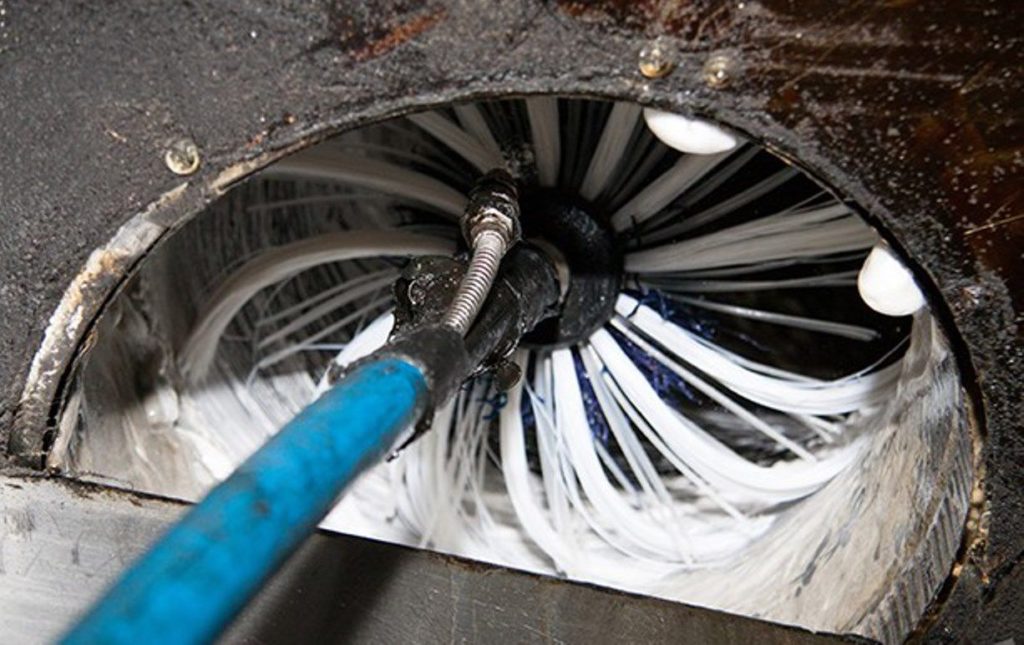
At the heart of these cleaning solutions is a motor-driven rotary brush that spins at adjustable speeds. The bristles, often made from synthetic or natural fibers, are designed to agitate and lift particles from surfaces such as ducts, carpets, or textile machinery. The loosened debris is then removed by suction or collected for easy disposal.
These systems are especially valued for their ability to clean inside narrow ducts, around complex machinery, and in areas where manual cleaning would be difficult or unsafe. The combination of mechanical brushing and vacuum extraction ensures a thorough removal of contaminants, reducing the risk of fire hazards and improving indoor air quality.
Key Benefits of Using Rotary Brush Textile Cleaning Equipment
There are several compelling reasons why facilities choose rotary brush-based cleaning solutions:
- Deep Cleaning Power: The rotating action of the brush provides a more effective clean compared to static brushes or manual methods.
- Versatility: Attachments and brush types can be swapped to suit different surfaces, from delicate textiles to rugged ductwork.
- Time Efficiency: Automated brushing covers more area in less time, reducing labor costs and downtime.
- Improved Safety: Regular cleaning with these systems helps prevent lint buildup, which is a common fire hazard in textile and laundry facilities.
- Enhanced Air Quality: By removing dust and fibers, these systems contribute to healthier indoor environments for workers and occupants.
Types of Rotary Brush Cleaning Solutions for Textiles
The market offers a range of rotary brush equipment tailored to specific applications. Some of the most common include:
- Duct Cleaning Machines: Designed to navigate and clean inside HVAC ducts, removing accumulated lint and dust.
- Carpet and Upholstery Cleaners: Use rotary brushes to agitate and extract dirt from textile surfaces.
- Production Line Cleaners: Integrated into textile manufacturing lines to keep machinery free from fiber buildup.
- Portable Brush Kits: Lightweight, flexible tools for spot cleaning or reaching confined spaces.

Choosing the Right Rotary Brush Cleaning System
Selecting the most suitable system depends on several factors, including the type of textiles or surfaces to be cleaned, the size and layout of the facility, and the frequency of cleaning required. Here are some tips to guide your decision:
- Assess Cleaning Needs: Identify whether you need a solution for ducts, carpets, machinery, or a combination.
- Brush Material: Choose bristles that are compatible with the surfaces to avoid damage.
- Power and Portability: Consider whether a portable or stationary unit best fits your workflow.
- Attachment Options: Look for systems that offer interchangeable brushes and extensions for versatility.
- Maintenance: Opt for equipment that is easy to clean and maintain to ensure long-term performance.
For further guidance, industry professionals often consult resources like rotary brush system expert tips to make informed choices and maximize the value of their investment.
Applications Across Industries
Rotary brush cleaning solutions are used in a variety of sectors:
- Textile Manufacturing: Keeps production lines and machinery free from lint and fiber buildup.
- Laundry Facilities: Maintains dryer vents and ductwork, reducing fire risk and improving efficiency.
- Commercial Buildings: Cleans HVAC systems, improving air quality for occupants.
- Hospitals and Cleanrooms: Ensures high standards of cleanliness in sensitive environments.
In industrial settings, solutions like those discussed in rotary brush solutions for industrial facilities are tailored for heavy-duty use and compliance with strict safety standards.
Maintenance and Best Practices for Rotary Brush Equipment
To ensure optimal performance and longevity of your rotary brush cleaning equipment, regular maintenance is essential. Here are some best practices:
- Inspect Brushes: Check for wear and replace bristles as needed to maintain cleaning effectiveness.
- Clean After Use: Remove debris and wash brushes to prevent cross-contamination and buildup.
- Lubricate Moving Parts: Keep motors and gears well-lubricated to avoid breakdowns.
- Store Properly: Store equipment in a dry, clean area to prevent rust and damage.
- Follow Manufacturer Guidelines: Adhere to recommended service intervals and use approved replacement parts.
For those interested in future developments, exploring rotary brush system future trends can provide a glimpse into upcoming innovations and improvements in the field.
Comparing Rotary Brush Cleaning Systems to Other Methods
While there are various cleaning technologies available, rotary brush systems offer unique advantages:
| Method | Effectiveness | Best For | Limitations |
|---|---|---|---|
| Rotary Brush | High | Textiles, ducts, machinery | Requires power source, brush wear |
| Manual Brushing | Moderate | Small areas, spot cleaning | Labor-intensive, less thorough |
| Compressed Air | Low-Moderate | Loose dust removal | Does not capture debris, can spread dust |
| Vacuum-Only | Moderate | Surface cleaning | May not dislodge embedded debris |
For a comprehensive overview of how rotary brush machines compare to other floor cleaning technologies, see this detailed guide to rotary floor brush machines.
Frequently Asked Questions
What types of surfaces can rotary brush cleaning systems handle?
These systems are designed for a wide range of surfaces, including textile machinery, HVAC ducts, carpets, upholstery, and even hard floors. By selecting the appropriate brush material and size, users can safely clean both delicate and heavy-duty surfaces.
How often should rotary brush cleaning be performed in textile facilities?
The frequency depends on the level of dust and fiber accumulation, but most facilities benefit from monthly or quarterly cleaning. High-traffic or high-production environments may require more frequent maintenance to prevent buildup and ensure safety.
Are rotary brush systems safe for all types of textiles?
When used with the correct brush type and following manufacturer recommendations, these systems are generally safe for most textiles. It is important to test on a small area first and avoid using overly stiff brushes on delicate fabrics.
Conclusion
Rotary brush cleaning equipment offers a powerful, versatile, and efficient solution for maintaining cleanliness in textile environments. By understanding the different types of systems available, their benefits, and best practices for use and maintenance, facility managers and cleaning professionals can ensure optimal results. Staying informed about rotary brush textile cleaning systems and related trends will help organizations maintain high standards of hygiene and operational efficiency.