A rotary brush system for product cleaning is a specialized solution designed to automate and optimize the removal of dust, debris, and contaminants from various products as they move through manufacturing or packaging lines. These systems are widely used in industries such as food processing, pharmaceuticals, electronics, and HVAC duct maintenance. By ensuring products are thoroughly cleaned before packaging or further processing, rotary brush technology helps maintain quality standards, reduce defects, and improve overall operational efficiency.
In modern production environments, maintaining cleanliness is not just about aesthetics—it directly impacts product safety, shelf life, and customer satisfaction. As industries face stricter regulations and higher expectations, investing in advanced cleaning solutions like rotary brush assemblies becomes essential. For those seeking a deeper dive into the broader applications and benefits of these systems, the rotary brush solutions for production environments guide provides further context.
Understanding Rotary Brush Cleaning Technology
At the core of a rotary brush cleaning system are motor-driven brushes that rotate at controlled speeds. These brushes are engineered to dislodge and sweep away particles from product surfaces without causing damage. The system may include a combination of bristle types, brush diameters, and rotation patterns to suit different materials and contamination levels.
Key components typically include:
- Brush Assembly: The rotating element, often made from nylon, polypropylene, or natural fibers, selected based on the product and type of debris.
- Drive Mechanism: Motors and gearboxes that control brush speed and direction.
- Enclosure or Housing: Shields and guides that direct products and contain debris.
- Debris Collection: Integrated vacuum or air systems that capture loosened particles for disposal.
This combination allows for consistent, repeatable cleaning results across a wide range of product shapes and sizes.
Benefits of Automated Brush-Based Cleaning Lines
Implementing a rotary brush system for product cleaning offers several advantages over manual or static cleaning methods:
- Efficiency: Automated systems clean products rapidly as they move along the line, minimizing bottlenecks and labor requirements.
- Consistency: Uniform brush action ensures every item receives the same level of cleaning, reducing variability and rework.
- Gentle Handling: Properly selected brushes clean without scratching or damaging delicate surfaces.
- Adaptability: Systems can be customized for different product types, contamination levels, and line speeds.
- Compliance: Helps meet industry cleanliness and quality standards, especially in regulated sectors like food and pharma.
For a detailed look at how these systems maintain high standards, the rotary brush cleaning quality standards article provides valuable insights.
Where Rotary Brush Cleaning Systems Excel
These cleaning lines are found in a variety of industries, each with unique requirements:
- Food Processing: Removing dust, skins, or residues from fruits, vegetables, and packaged goods before labeling or packing.
- Pharmaceuticals: Ensuring pill bottles, blister packs, or vials are free of particulates before sealing.
- Electronics: Cleaning circuit boards or casings to prevent dust-related malfunctions.
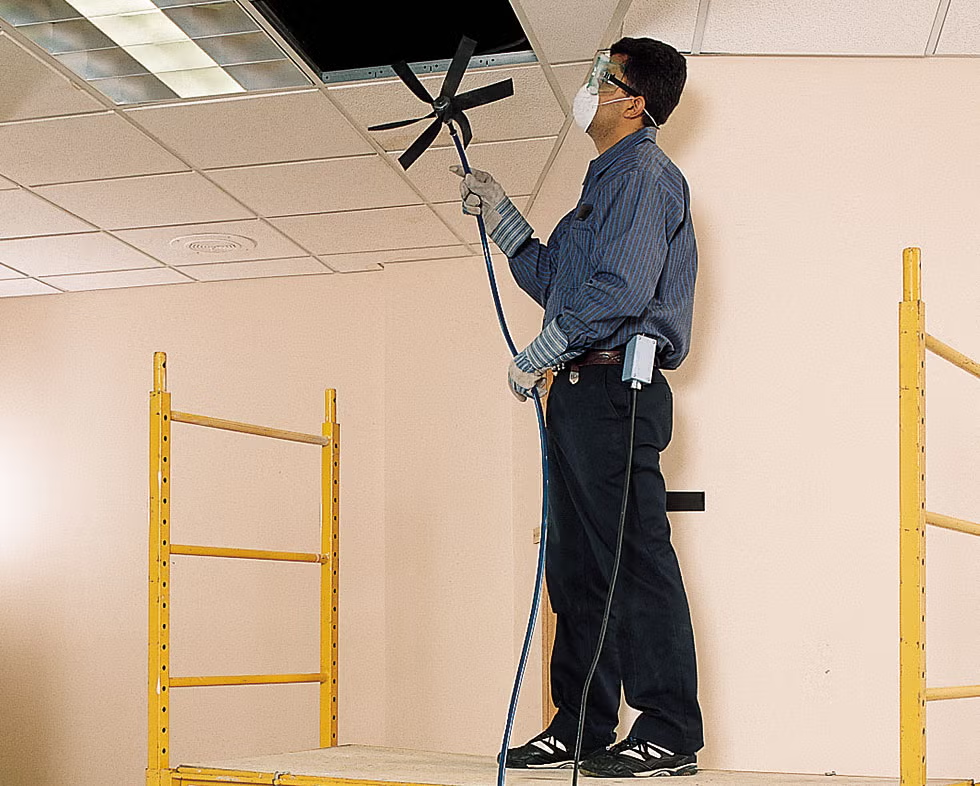
- HVAC and Duct Cleaning: Dislodging dust and debris from air ducts, as seen in specialized rotary brush duct cleaning systems.
- Automotive: Prepping parts for painting or assembly by removing oils and particulates.
Each application may require a different brush configuration, rotation speed, or integration with other cleaning technologies. For example, combining rotary brushes with negative air pressure can enhance debris removal, as explored in this comparison of negative air pressure and rotary brush cleaning.
Key Considerations When Selecting a Rotary Brush Solution
Choosing the right cleaning system involves evaluating several factors:
- Product Material and Shape: Delicate items may need softer bristles, while robust parts can handle stiffer brushes.
- Contaminant Type: Sticky residues, fine dust, or larger debris may require different brush types or additional cleaning steps.
- Line Speed and Throughput: The system must match the pace of production without causing jams or incomplete cleaning.
- Maintenance Requirements: Easy-to-clean and replaceable brushes reduce downtime and operating costs.
- Integration: The system should fit seamlessly into existing lines, with minimal disruption during installation.
For those interested in the latest advancements, the rotary brush system future trends resource highlights emerging technologies and automation features.

Maintenance and Troubleshooting for Rotary Brush Cleaning Lines
Regular maintenance is crucial to keep cleaning systems operating at peak performance. This includes inspecting brushes for wear, checking for debris buildup in housings, and ensuring motors and gearboxes are properly lubricated. Replacing worn brushes and cleaning out collected debris helps maintain cleaning effectiveness and prevents product contamination.
If issues arise, such as reduced cleaning efficiency or brush jams, refer to resources like the rotary brush troubleshooting common issues guide for practical solutions. Common problems often involve incorrect brush selection, misalignment, or insufficient vacuum power in debris collection systems.
Hybrid and Advanced Rotary Brush Systems
Some production lines benefit from hybrid cleaning systems that combine rotary brushes with other technologies, such as air knives, water jets, or ultrasonic cleaners. These advanced setups can tackle a broader range of contaminants and deliver even higher cleanliness levels. For more on these innovations, see the rotary brush hybrid cleaning systems article.
Automation and smart controls are also becoming more common, allowing for real-time monitoring of brush wear, cleaning effectiveness, and system diagnostics. This reduces manual oversight and helps ensure consistent results.
Frequently Asked Questions
What products are best suited for rotary brush cleaning?
Rotary brush cleaning is ideal for products that can withstand gentle mechanical action, such as fruits and vegetables, bottles, cans, HVAC ducts, and certain electronic components. The system can be tailored to accommodate delicate or robust items by adjusting brush type and speed.
How often should brushes be replaced or maintained?
Brush replacement frequency depends on usage, product type, and contaminant load. In high-throughput environments, brushes may need inspection and cleaning daily, with replacement every few weeks or months. Regular maintenance ensures optimal cleaning and prevents product contamination.
Can rotary brush systems be integrated into existing production lines?
Yes, most rotary brush cleaning solutions are designed for easy integration. They can be customized to fit available space, match line speeds, and connect with existing conveyors or automation systems. Consulting with a supplier helps ensure seamless installation and minimal downtime.
Conclusion
A well-designed rotary brush cleaning line is a valuable asset for manufacturers seeking to improve product quality, meet regulatory standards, and streamline operations. By understanding the technology, selecting the right configuration, and maintaining the system properly, businesses can achieve reliable, cost-effective cleaning results. As industries continue to evolve, these systems will remain a cornerstone of efficient and compliant production processes.