Maintaining clean and safe environments in industrial, commercial, and residential settings is a top priority, especially when it comes to managing airborne particles and debris. A rotary brush system for dust control offers a highly effective solution for removing dust, lint, and other contaminants from ducts, vents, and machinery. By integrating these systems, facilities can significantly improve air quality, reduce fire hazards, and ensure compliance with safety regulations.
This guide explores how rotary brush technology works, its key benefits for dust management, and practical considerations for choosing and using these systems. For those interested in the latest advancements, you can also learn more about rotary brush cleaning technology trends and how they are shaping modern cleaning practices.

How Rotary Brush Technology Supports Dust Management
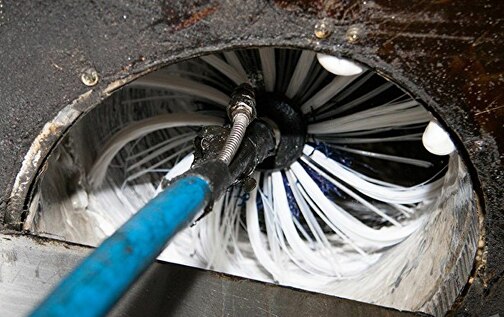
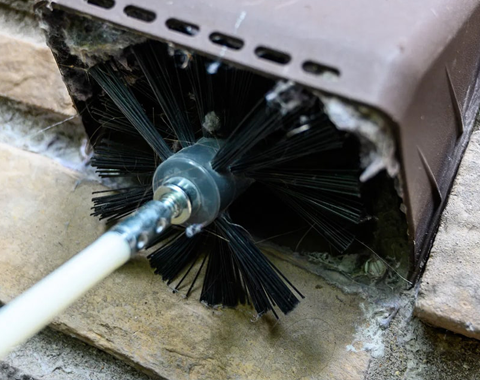
A rotary brush system for dust control utilizes motor-driven or drill-powered rotating brushes to dislodge and collect dust, debris, and buildup from surfaces such as HVAC ducts, dryer vents, and industrial machinery. The rotating action ensures thorough cleaning by agitating stubborn particles that might otherwise remain attached to surfaces.
These systems are widely used in various industries, including manufacturing, food processing, and building maintenance. Their ability to reach deep into ducts and tight spaces makes them indispensable for maintaining optimal airflow and preventing the accumulation of hazardous materials.
For large-scale operations, specialized rotary brush solutions are available to address the unique needs of industrial facilities. For more insights, see rotary brush solutions for industrial facilities.
Key Benefits of Using a Rotary Brush System
Implementing a rotary brush cleaning approach provides several advantages:
- Enhanced Dust Removal: The rotating action of the brushes efficiently loosens and extracts dust, lint, and debris from surfaces, resulting in a more thorough clean compared to manual methods.
- Improved Air Quality: By removing accumulated dust from ducts and vents, these systems help maintain healthier indoor air, reducing allergens and respiratory risks.
- Fire Hazard Reduction: Regular cleaning of dryer vents and industrial ducts minimizes the risk of fire caused by lint and dust buildup.
- Operational Efficiency: Clean equipment and ducts operate more efficiently, reducing energy consumption and maintenance costs.
- Regulatory Compliance: Many industries are required to adhere to strict cleanliness and safety standards. Rotary brush systems help meet these requirements effectively.
Applications Across Different Environments
Rotary brush systems are versatile and can be adapted for a range of cleaning tasks:
- HVAC Duct Cleaning: Ensures optimal airflow and reduces contamination in heating and cooling systems.
- Dryer Vent Maintenance: Removes lint and debris to prevent blockages and fire hazards.
- Industrial Equipment: Cleans conveyors, fans, and other machinery where dust accumulation can impact performance.
- Production Facilities: Maintains cleanliness in environments where dust control is critical for product quality and worker safety. For more details, explore rotary brush solutions for production environments.
How to Choose the Right Rotary Brush System
Selecting the appropriate rotary brush setup depends on several factors:
- Type of Application: Consider whether you need the system for residential duct cleaning, commercial dryer vents, or industrial machinery.
- Brush Size and Material: Brushes come in various diameters and bristle types (nylon, steel, etc.) to suit different surfaces and levels of debris.
- Power Source: Some systems are powered by electric motors, while others attach to standard drills for portability and ease of use.
- Compatibility: Ensure the system fits the dimensions and configurations of your ducts or equipment.
- Ease of Maintenance: Look for systems with replaceable brushes and accessible components for long-term reliability.
For expert advice on selecting and maintaining rotary brush equipment, visit the rotary brush system expert tips resource.
Best Practices for Effective Dust Control
To maximize the benefits of rotary brush cleaning, follow these best practices:
- Schedule Regular Cleanings: Establish a routine based on the environment and usage patterns. High-dust areas may require more frequent attention.
- Inspect Before and After: Check ducts and equipment for visible buildup before cleaning and verify results afterward.
- Use Proper Technique: Operate the rotary brush at recommended speeds and avoid excessive force to prevent damage.
- Combine with Vacuum Extraction: For optimal dust capture, pair the brush system with a HEPA-filtered vacuum to collect dislodged particles.
- Document Maintenance: Keep records of cleaning dates and observations to track performance and meet regulatory requirements.
Maintenance and Safety Considerations
While rotary brush systems are designed for durability, proper maintenance is essential for safe and effective operation:
- Inspect Brushes Regularly: Replace worn or damaged bristles to maintain cleaning performance and avoid scratching surfaces.
- Check Power Connections: Ensure all electrical or drill attachments are secure before use.
- Follow Manufacturer Guidelines: Adhere to recommended operating procedures and safety precautions.
- Wear Protective Gear: Use gloves, goggles, and masks as needed to protect against dust exposure.
For those managing rotary dryers or large-scale industrial systems, it’s important to follow industry best practices. A detailed overview can be found in this comprehensive guide to cleaning a rotary dryer.
Future Developments in Rotary Brush Dust Control
The field of dust management continues to evolve, with innovations in brush materials, automation, and integration with smart monitoring systems. Emerging trends include the use of sensors to detect dust levels and trigger automated cleaning cycles, as well as eco-friendly brush designs that minimize environmental impact.
For a look at upcoming advancements, see the article on rotary brush system future trends.
Frequently Asked Questions
What types of dust can a rotary brush system remove?
These systems are effective at removing a wide range of dust and debris, including lint, fine particulate matter, and larger contaminants from ducts, vents, and machinery surfaces.
How often should rotary brush cleaning be performed?
The frequency depends on the environment and usage. Residential dryer vents may need cleaning annually, while industrial settings could require monthly or even weekly maintenance for optimal safety and efficiency.
Are rotary brush systems safe for all duct materials?
Most rotary brush setups are designed to be gentle on standard ductwork materials such as sheet metal and flexible ducts. However, it’s important to select the correct brush type and size for your specific application to avoid damage.
Can these systems be used by non-professionals?
Many rotary brush kits are suitable for DIY use, especially for home dryer vents and small ducts. For complex or large-scale systems, professional cleaning is recommended to ensure thorough results and compliance with safety standards.
What are the main advantages over manual cleaning methods?
Rotary brush systems provide more consistent and thorough cleaning, reach deeper into ducts, and reduce the time and effort required compared to manual scrubbing or vacuuming alone.
Integrating a rotary brush system for dust control into your maintenance routine is a practical step toward safer, cleaner, and more efficient operations. By choosing the right equipment and following best practices, you can protect your facility, improve air quality, and extend the life of your systems.