A rotary brush system for debris removal is a specialized cleaning solution designed to tackle stubborn dirt, dust, and debris in a variety of environments. These systems are widely used in HVAC duct cleaning, industrial maintenance, and even residential dryer vent cleaning. Their rotating bristles dislodge and sweep away buildup efficiently, making them a preferred choice for professionals and DIY enthusiasts alike.
Understanding how these systems work, their benefits, and the best practices for use can help you achieve cleaner, safer spaces. In this article, we’ll explore the essential features of rotary brush cleaning tools, their practical applications, and tips for selecting the right equipment for your project. For those interested in the latest advancements, you can also learn more about rotary brush cleaning technology trends to stay updated on innovations in the field.
How Rotary Brush Cleaning Systems Work
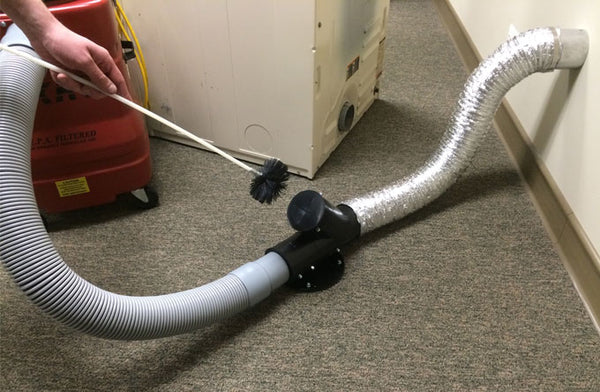
A rotary brush system for debris removal uses a motorized or drill-driven shaft to spin a brush head at high speed. The rotating motion agitates dust, lint, and debris, breaking it free from surfaces such as duct walls, pipes, or floors. The loosened material is then either vacuumed away or swept out, depending on the setup.
These systems typically include interchangeable brush heads to suit different pipe diameters or surface types. Flexible rods allow the brush to navigate bends and corners, making it possible to clean hard-to-reach areas. Some advanced models even feature variable speed controls and specialized bristle materials for delicate or heavy-duty cleaning tasks.
Key Benefits of Using Rotary Brush Tools
Choosing a rotary brush setup for your cleaning projects offers several important advantages:
- Thorough Cleaning: The rotating action provides more effective debris removal than manual brushing or compressed air alone.
- Versatility: Suitable for HVAC ducts, dryer vents, industrial pipes, and even large floor surfaces.
- Time Efficiency: Significantly reduces cleaning time, especially in long or complex duct runs.
- Improved Air Quality: By removing dust and contaminants, these systems help maintain healthier indoor environments.
- Reduced Fire Risk: Clearing lint from dryer vents and ducts lowers the risk of fire hazards in homes and businesses.
For commercial and industrial settings, rotary brush solutions can be tailored to specific needs. Explore more on rotary brush solutions for industrial facilities to see how these systems are adapted for large-scale operations.

Applications for Debris Removal Projects
Rotary brush cleaning tools are used in a wide range of debris removal tasks. Here are some of the most common applications:
- HVAC Duct Cleaning: Removing dust, mold, and allergens from air ducts to improve system efficiency and air quality.
- Dryer Vent Maintenance: Clearing lint buildup to prevent blockages and reduce fire hazards.
- Industrial Pipe Cleaning: Maintaining clean pipelines in factories, food processing plants, and other facilities.
- Floor Scrubbing: Some rotary brush machines are designed for sweeping and scrubbing large floor areas in warehouses or commercial spaces.
- Production Environments: Keeping production lines and machinery free from dust and debris for optimal performance. Learn more about rotary brush solutions for production environments.
For those interested in the future of these cleaning systems, insights on rotary brush system future trends can provide a glimpse into upcoming innovations and improvements.
Choosing the Right Rotary Brush System for Your Needs
Selecting the appropriate rotary brush equipment depends on several factors:
- Project Scope: Consider the size and type of debris, as well as the length and diameter of ducts or pipes.
- Brush Material: Nylon bristles are common for general use, while steel or specialized fibers may be needed for tougher jobs.
- Power Source: Some systems are powered by electric motors, while others attach to standard drills for portability.
- Rod Flexibility: Flexible rods are essential for navigating bends and corners without damaging surfaces.
- Compatibility: Ensure the system fits your existing vacuum or extraction equipment if needed.
Reading rotary brush system expert tips can help you make informed decisions and avoid common pitfalls when choosing and operating these tools.
Maintenance and Best Practices
To keep your rotary brush equipment performing at its best, regular maintenance is crucial. Here are some practical tips:
- Inspect brush heads for wear and replace them as needed to maintain cleaning efficiency.
- Clean rods and shafts after each use to prevent buildup of debris and ensure smooth operation.
- Lubricate moving parts according to the manufacturer’s instructions.
- Store equipment in a dry, protected area to prevent rust and damage.
- Follow safety guidelines, including wearing protective gear and ensuring power tools are disconnected before changing attachments.
For a detailed look at proper care, see this comprehensive guide to maintaining brush-based cleaning equipment.
Frequently Asked Questions
What types of debris can rotary brush cleaning systems handle?
These systems are effective at removing dust, lint, pet hair, mold, and even light construction debris from ducts, vents, and pipes. For industrial applications, they can tackle heavier buildup, though brush type and power may need to be matched to the specific material.
How often should I use a rotary brush tool for duct or vent cleaning?
For residential dryer vents, annual cleaning is recommended to prevent lint buildup and reduce fire risk. HVAC ducts may require cleaning every 2–5 years, depending on usage and environmental factors. Commercial and industrial schedules vary based on operational demands.
Can these systems damage ducts or pipes?
When used correctly and with the appropriate brush type, rotary brush tools are safe for most ductwork and piping. Flexible rods and soft bristles help prevent scratches or dents. Always follow manufacturer guidelines and start with the gentlest brush suitable for your application.
Conclusion
A rotary brush system for debris removal is a practical investment for anyone seeking efficient, thorough cleaning of ducts, vents, and industrial piping. By choosing the right equipment, following best practices, and maintaining your tools, you can achieve outstanding results and extend the life of your HVAC or production systems. For those looking to stay ahead, exploring the latest technology trends and expert tips will ensure you get the most from your cleaning projects.