Choosing the right rotary brush system is essential for effective cleaning, maintenance, and even industrial applications. With so many options available, it can be overwhelming to determine which features matter most and how to compare different products. This rotary brush system buying guide is designed to help you navigate the selection process, whether you’re a homeowner tackling duct cleaning or a facility manager responsible for large-scale operations.
We’ll cover the most important factors to consider, from brush types and compatibility to safety, durability, and maintenance. Along the way, you’ll find practical tips, expert insights, and direct links to trusted resources. For more in-depth advice, you can also explore rotary brush system expert tips to make the most informed decision possible.

Understanding Rotary Brush Systems: Key Components
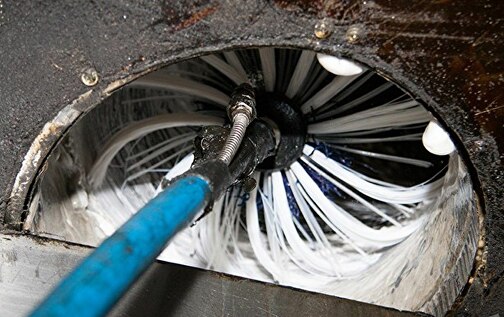
Before diving into specific product recommendations, it’s important to understand what makes up a rotary brush system. These systems typically consist of a motorized or drill-powered drive unit, flexible rods or shafts, and a variety of interchangeable brushes designed for different surfaces and cleaning tasks.
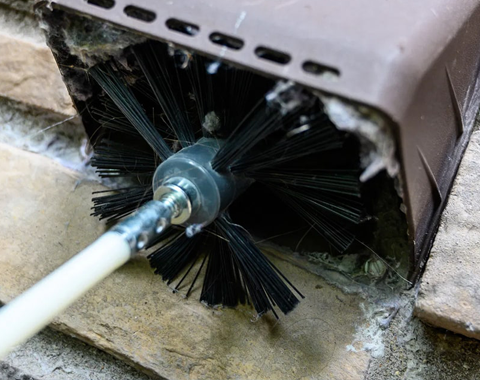
- Brush Heads: Available in nylon, steel, or mixed materials, each suited for different cleaning applications.
- Drive Mechanism: Can be manual, electric, or drill-adapted, affecting power and ease of use.
- Extension Rods: Allow the system to reach deep into ducts, vents, or pipes.
- Adapters and Accessories: Additional tools for specialized cleaning or compatibility with various equipment.
Understanding these components will help you identify which features are essential for your specific needs.
How to Choose the Right Rotary Brush System for Your Needs
There are several factors to consider when selecting a rotary brush system. The following criteria will help you narrow down your options and ensure you invest in a system that delivers both performance and value.
1. Application and Intended Use
Are you cleaning HVAC ducts, dryer vents, industrial machinery, or other surfaces? The type of debris, diameter of the area to be cleaned, and frequency of use will influence your choice. For example, a homeowner may only need a basic kit for annual dryer vent cleaning, while a professional contractor may require a heavy-duty system with multiple brush options.
2. Brush Material and Design
Brushes come in various materials, each with its own strengths:
- Nylon: Gentle on surfaces, ideal for residential ductwork and delicate finishes.
- Steel: More abrasive, suitable for removing stubborn buildup in industrial settings.
- Hybrid: Combines nylon and steel for versatility.
Consider the surface you’ll be cleaning and select a brush material that balances effectiveness with surface protection.
3. Compatibility and Flexibility
Not all rotary brush systems are compatible with every drill or power source. Check for universal adapters or system-specific requirements. Flexible rods are essential for navigating bends and corners, especially in ductwork or vent pipes.
4. Durability and Maintenance
Look for systems made from high-quality materials that can withstand repeated use. Replaceable brush heads and sturdy extension rods are important for long-term value. Some systems offer easy-to-clean components, which can save time and extend the life of your investment.
5. Safety Features
Safety should never be overlooked. Features like protective guards, anti-slip grips, and secure locking mechanisms can prevent accidents during operation. Always follow manufacturer instructions and wear appropriate personal protective equipment.
Comparing Popular Rotary Brush Kits
With so many brands on the market, it’s helpful to compare a few leading options. For example, the LintEater and Holikme systems are popular choices for dryer vent cleaning, offering flexible rods and a range of brush sizes. Industrial-grade kits may include steel brushes and longer extension rods for commercial applications.
For additional insights on choosing the right solution for your environment, see these rotary brush solutions for production environments.
Maintenance Tips for Your Rotary Brush Equipment
Proper care ensures your rotary brush system remains effective and safe. After each use, clean brush heads thoroughly to remove debris and buildup. Inspect rods and connectors for signs of wear or damage. Store the system in a dry, protected area to prevent rust and deterioration.
For a deeper dive into maintaining cleaning quality, check out the rotary brush cleaning quality standards guide.
Common Issues and Troubleshooting
Even the best rotary brush systems can encounter issues, such as jammed rods, worn brushes, or reduced cleaning efficiency. Regular inspection and prompt replacement of worn parts can prevent most problems. If you experience persistent issues, consult the manufacturer’s troubleshooting guide or refer to rotary brush troubleshooting common issues for step-by-step solutions.
Expert Advice and Future Trends
As technology advances, rotary brush systems are becoming more efficient, safer, and easier to use. Features like smart sensors, improved brush materials, and modular designs are shaping the future of cleaning equipment. Stay informed about rotary brush system future trends to ensure your investment remains relevant and effective for years to come.
Additional Resources and Industry Standards
For those interested in industrial applications, it’s important to follow best practices and safety standards. A detailed overview of cleaning rotary dryers and similar equipment can be found in this comprehensive guide to cleaning rotary dryers. Adhering to industry standards not only improves results but also extends the lifespan of your equipment.
Frequently Asked Questions
What is the best brush material for duct cleaning?
Nylon brushes are generally recommended for residential duct cleaning because they are gentle on surfaces and effective at removing dust and debris. For tougher buildup or industrial applications, steel or hybrid brushes may be more suitable.
How often should I replace the brushes in my rotary system?
Brush replacement frequency depends on usage and the type of debris encountered. Inspect brushes after each use for signs of wear, such as bent bristles or reduced cleaning efficiency. Most manufacturers recommend replacing brushes every 6–12 months for regular use.
Can I use a rotary brush system with any power drill?
Many rotary brush kits are designed to be compatible with standard household drills, but always check the manufacturer’s specifications. Some systems require specific adapters or have torque limitations. Using the correct drill ensures safe and effective operation.
Are rotary brush systems safe for all types of ductwork?
Most systems are safe for metal and flexible ductwork when used as directed. However, always verify compatibility with your specific duct material and follow safety guidelines to avoid damage.
Where can I find more expert tips on rotary brush systems?
For further advice, visit the rotary brush system expert tips page for detailed recommendations and troubleshooting help.