Maximizing the efficiency of rotary brush systems is essential for professionals and facility managers who rely on these tools for cleaning, maintenance, and industrial applications. Whether used for duct cleaning, floor care, or other specialized tasks, understanding how to boost rotary brush productivity improvement can lead to better results, reduced downtime, and cost savings. This article explores proven strategies, technology trends, and actionable tips to help you get the most from your rotary brush equipment.
For those interested in the latest developments, rotary brush cleaning technology trends offer valuable insights into how innovation is shaping the industry. Leveraging these advancements can further enhance your productivity and keep your operations ahead of the curve.
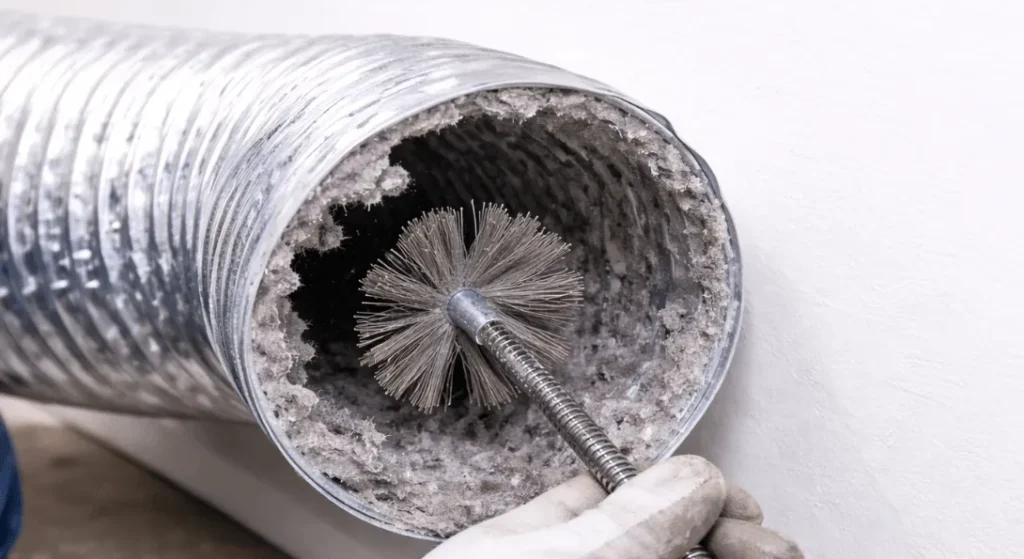
Understanding Rotary Brush Systems and Their Applications
Rotary brush systems are versatile tools designed for a variety of cleaning and maintenance tasks. Their rotating bristles effectively dislodge debris, dust, and contaminants from surfaces such as air ducts, dryer vents, carpets, and industrial machinery. The core advantage of these systems lies in their ability to deliver thorough cleaning with minimal manual effort.
Common applications include:
- HVAC duct and vent cleaning
- Carpet and floor care
- Industrial equipment maintenance
- Surface preparation in manufacturing
By selecting the right brush type and system for the task, users can significantly enhance cleaning outcomes and operational efficiency.
Key Factors Affecting Rotary Brush Productivity
Several variables influence how effectively a rotary brush system performs. Addressing these factors is crucial for achieving optimal rotary brush productivity improvement:
- Brush Material and Design: The type of bristle (nylon, steel, polypropylene) and brush shape impact cleaning effectiveness and surface compatibility.
- Rotation Speed: Appropriate RPM settings ensure efficient debris removal without damaging surfaces or overloading the motor.
- Operator Technique: Consistent, methodical movement and correct pressure application maximize coverage and reduce missed spots.
- Equipment Maintenance: Regular inspection, cleaning, and timely replacement of worn brushes prevent performance drops.
- System Compatibility: Matching brush size and attachment type to the equipment and cleaning environment avoids inefficiencies.

Best Practices for Maximizing Rotary Brush Efficiency
Implementing the following best practices can drive significant improvements in rotary brush system output:
- Choose the Right Brush for the Job: Select a brush with bristle material and stiffness suited to the surface and type of debris. For example, softer bristles are ideal for delicate ducts, while stiffer options tackle heavy buildup in industrial settings.
- Optimize Brush Speed and Pressure: Adjust the system’s rotation speed and apply steady, even pressure. Excessive force can wear out brushes and motors prematurely, while too little pressure reduces cleaning effectiveness.
- Maintain Equipment Regularly: Inspect brushes for wear, clean them after each use, and replace damaged parts promptly. Well-maintained equipment ensures consistent performance and extends service life.
- Train Operators Thoroughly: Provide hands-on training for staff to ensure proper technique, safety, and awareness of system capabilities. Skilled operators can identify issues early and adapt to different cleaning scenarios.
- Utilize Modern Attachments and Accessories: Newer accessories, such as flexible rods and specialized brush heads, can improve access to hard-to-reach areas and enhance cleaning results.
For further expert advice, consider exploring rotary brush system expert tips to deepen your understanding of advanced techniques.
Technological Innovations Driving Productivity Gains
Recent advancements in rotary brush technology have made it easier to achieve higher productivity and better cleaning outcomes. Some notable innovations include:
- Variable Speed Controls: Allow operators to fine-tune brush rotation for different surfaces and debris types.
- Wireless and Battery-Powered Systems: Increase mobility and reduce setup time, especially in large or remote areas.
- Smart Monitoring: Some systems now feature sensors that track brush wear and alert users when maintenance is needed.
- Improved Ergonomics: Lighter, more balanced designs reduce operator fatigue and enable longer work sessions.
Staying informed about rotary brush system future trends can help you identify which upgrades will have the greatest impact on your workflow.

Common Challenges and How to Overcome Them
Even with the right tools and techniques, users may encounter obstacles that hinder rotary brush productivity improvement. Addressing these issues promptly ensures smoother operations:
- Brush Clogging: Accumulated debris can reduce cleaning efficiency. Clean brushes frequently and use pre-vacuuming when necessary.
- Equipment Jamming: Overloading the brush or using incompatible attachments can cause jams. Always follow manufacturer guidelines for brush size and system compatibility.
- Operator Fatigue: Long cleaning sessions can lead to reduced attention and effectiveness. Rotate tasks among team members and use ergonomic equipment.
- Surface Damage: Using the wrong brush or excessive force may harm delicate surfaces. Test on a small area first and adjust settings accordingly.
For a comprehensive overview of industry standards and best practices, the rotary brush system industry guide is a valuable resource.
Industry Resources and Further Reading
To deepen your expertise, explore these recommended resources:
- Detailed explanation of rotary brush systems and terminology
- Rotary brush solutions for industrial facilities
Staying informed about the latest developments and expert advice ensures your team remains productive and competitive.
FAQ
What is the most important factor for improving rotary brush productivity?
The most critical factor is matching the brush type and system settings to the specific cleaning task. Proper selection and adjustment ensure efficient debris removal, minimize equipment wear, and reduce the risk of surface damage.
How often should rotary brushes be replaced?
Replacement frequency depends on usage intensity, debris type, and brush material. Inspect brushes regularly for signs of wear, such as frayed bristles or reduced cleaning effectiveness, and replace them as needed to maintain optimal performance.
Can rotary brush systems be used on all surfaces?
While rotary brushes are versatile, not all surfaces are suitable for every brush type. Always consult manufacturer recommendations and test on a small area before full-scale cleaning, especially on delicate or specialty surfaces.