Proper care and upkeep of rotary brushes are essential for ensuring their longevity, efficiency, and safety. Whether used in duct cleaning, industrial applications, or household tasks, following rotary brush maintenance best practices can help prevent premature wear, reduce downtime, and maintain optimal cleaning performance. This guide provides a comprehensive overview of essential maintenance steps, troubleshooting tips, and expert recommendations for anyone working with rotary brush systems.
For those interested in the latest innovations and solutions, exploring rotary brush solutions for production environments can provide deeper insights into advanced technologies and applications.
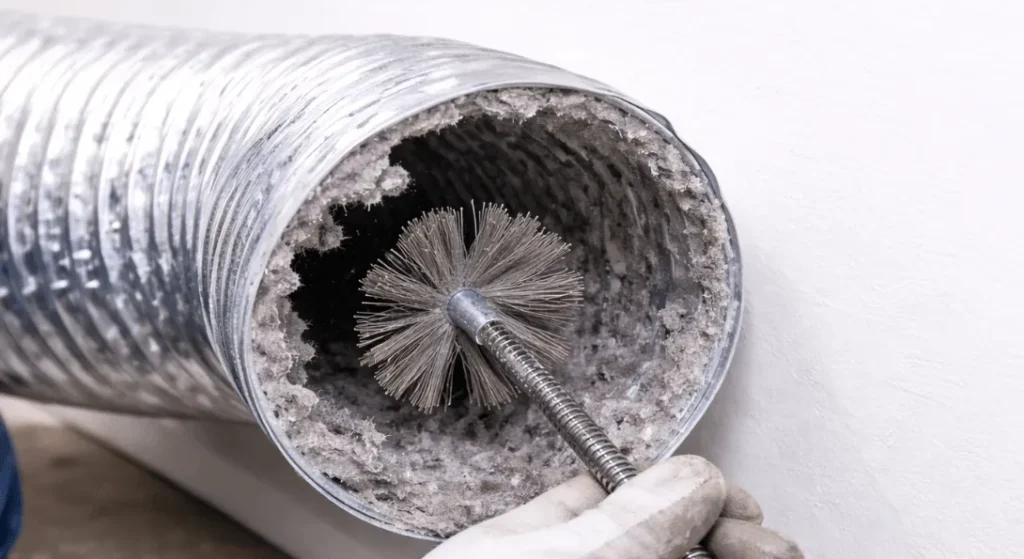
Why Regular Rotary Brush Care Matters
Consistent maintenance is not just about extending the lifespan of your equipment. It also ensures that your rotary brush system operates at peak performance, delivers thorough cleaning, and minimizes the risk of breakdowns. Neglecting routine care can lead to bristle deformation, shaft misalignment, and even motor damage, resulting in costly repairs or replacements.
By adopting a proactive approach to rotary brush maintenance best practices, users can:
- Enhance cleaning efficiency and coverage
- Reduce the frequency of part replacements
- Lower operational costs over time
- Promote safer operation and minimize hazards
Daily and Weekly Maintenance Routines
Establishing a consistent cleaning and inspection schedule is the cornerstone of effective rotary brush care. Here are some essential routines to incorporate:
Daily Checks
- Visually inspect bristles for wear, breakage, or debris buildup.
- Ensure the brush rotates smoothly without wobbling or resistance.
- Check for unusual noises or vibrations during operation.
Weekly Maintenance
- Remove the brush and clean it thoroughly with water or a mild detergent, as appropriate for the material.
- Inspect the shaft and coupling for signs of wear or corrosion.
- Lubricate moving parts if recommended by the manufacturer.
- Verify that all fasteners and connections are secure.

Deep Cleaning and Seasonal Maintenance
In addition to daily and weekly routines, a more thorough cleaning should be performed periodically, especially if the brush is used in demanding environments or for heavy-duty tasks. Deep cleaning helps remove embedded debris, lint, or residues that can impair performance.
- Disassemble the brush system according to the manufacturer’s instructions.
- Soak the brush head in warm, soapy water to loosen stubborn dirt.
- Use a soft brush or cloth to clean between bristles and around the hub.
- Rinse thoroughly and allow all parts to dry completely before reassembly.
- Inspect for signs of rust, cracks, or excessive bristle wear.
For more advanced cleaning systems and hybrid solutions, consider reviewing rotary brush hybrid cleaning systems to understand the benefits of combining different cleaning technologies.
Key Inspection Points for Optimal Performance
Routine inspections are a vital part of rotary brush maintenance best practices. Focusing on these areas can help identify issues early and prevent unexpected failures:
- Bristles: Look for uneven wear, bent or missing bristles, and embedded debris.
- Shaft and Coupling: Check for straightness, tightness, and signs of fatigue.
- Motor and Drive: Listen for abnormal sounds and monitor for overheating.
- Protective Guards: Ensure all safety covers are intact and properly positioned.
If you notice persistent issues, it may be time to consult a comprehensive rotary brush glossary for troubleshooting terminology and solutions.

Common Issues and Troubleshooting Tips
Even with diligent care, rotary brushes can develop issues over time. Recognizing and addressing these problems promptly is a key part of effective maintenance. Here are some common concerns and their solutions:
| Issue | Possible Cause | Recommended Action |
|---|---|---|
| Bristle shedding | Excessive wear, improper brush type | Replace brush head, verify correct brush for application |
| Brush not spinning | Obstruction, motor failure, loose coupling | Clear debris, check motor, tighten connections |
| Vibration or noise | Bent shaft, unbalanced brush, worn bearings | Inspect and replace damaged parts, rebalance brush |
| Poor cleaning results | Worn bristles, incorrect speed, debris buildup | Clean or replace brush, adjust speed, remove obstructions |
Extending Rotary Brush Lifespan
Maximizing the service life of your rotary brush system involves more than just cleaning. Here are some expert tips for getting the most out of your equipment:
- Store brushes in a dry, clean area to prevent moisture damage.
- Avoid using excessive force or speed, which can accelerate wear.
- Rotate or flip brushes (if possible) to promote even bristle wear.
- Follow manufacturer guidelines for replacement intervals and compatible parts.
- Stay updated on rotary brush system future trends to take advantage of new materials and designs that offer improved durability.
For more targeted advice, the rotary brush lifespan optimization guide offers detailed strategies for extending operational life and minimizing downtime.
Safety Considerations in Rotary Brush Upkeep
Safety should always be a top priority when performing maintenance. Here are some important precautions:
- Disconnect power before inspecting or cleaning the brush system.
- Wear appropriate personal protective equipment, such as gloves and safety glasses.
- Never operate a brush with missing guards or damaged components.
- Dispose of worn brushes and parts according to local regulations.
Frequently Asked Questions
How often should rotary brushes be replaced?
The replacement frequency depends on usage, material, and application. Inspect brushes regularly and replace them when bristles show significant wear, deformation, or when cleaning performance declines.
What is the best way to clean a rotary brush?
Remove the brush from the system, soak it in warm soapy water, and use a soft brush to remove debris. Rinse thoroughly and let it dry completely before reinstallation. Avoid harsh chemicals unless specified by the manufacturer.
Can I use any rotary brush for all cleaning tasks?
No, it is important to select the right brush type and material for your specific application. Using an incorrect brush can lead to poor results and faster wear. Refer to manufacturer recommendations or consult a specialist for guidance.