Maintaining a healthy indoor environment depends heavily on effective dust control. In industrial, commercial, and even residential settings, airborne particles can accumulate quickly, impacting both air quality and equipment performance. Rotary brush dust removal systems have emerged as a reliable solution for thorough cleaning of ducts, vents, and other hard-to-reach areas where dust and debris tend to settle.
These systems use rotating brushes, often paired with powerful vacuums, to dislodge and extract dust from surfaces. Their mechanical action ensures a deeper clean compared to passive filtration or simple suction methods. As a result, they are widely adopted in HVAC maintenance, manufacturing plants, and facilities where air purity is a top priority.
For those interested in advanced cleaning solutions, exploring rotary brush solutions for production environments can provide further insights into specialized applications and system options.
How Rotary Brush Systems Work
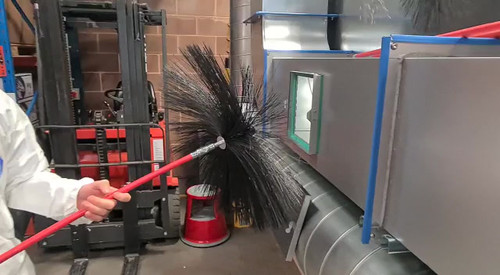
At the core of these cleaning systems is a motor-driven brush that rotates at high speed. The bristles agitate dust and debris, loosening them from surfaces such as duct walls, vent covers, and machinery interiors. Simultaneously, a vacuum or air suction mechanism captures the dislodged particles, preventing them from re-entering the air.
This dual-action approach is particularly effective for removing stubborn buildup that traditional vacuums or manual cleaning tools might miss. The brushes are often flexible, allowing them to navigate bends and corners within ductwork or confined spaces.
Key Benefits of Rotary Brush Dust Removal Systems
Implementing a rotary brush dust removal system offers several advantages:
- Enhanced Air Quality: By thoroughly removing dust, allergens, and contaminants, these systems contribute to cleaner, healthier air indoors.
- Improved Equipment Efficiency: Clean ducts and machinery operate more efficiently, reducing energy consumption and wear on components.
- Reduced Maintenance Costs: Regular use of rotary brushes can extend the lifespan of HVAC systems and industrial equipment, minimizing the need for repairs or replacements.
- Versatility: These systems are adaptable to various environments, from office buildings to manufacturing plants and residential properties.

Applications Across Industries
While these systems are commonly associated with HVAC duct cleaning, their use extends far beyond. In manufacturing, rotary brush technology is used to maintain conveyor belts, clean production lines, and remove dust from sensitive machinery. Food processing plants rely on these systems to ensure sanitary conditions, while hospitals and laboratories use them to maintain strict air quality standards.
In residential settings, homeowners use rotary brush kits to clean dryer vents, reducing fire risks and improving appliance efficiency. The adaptability of these systems makes them invaluable in any context where dust control is essential.
Choosing the Right Rotary Brush System
Selecting the appropriate system depends on several factors, including the size and layout of the area to be cleaned, the type of debris present, and the frequency of cleaning required. Key considerations include:
- Brush Material and Size: Different bristle materials (nylon, steel, etc.) and diameters are suited for various surfaces and duct sizes.
- Motor Power: More powerful motors can handle tougher debris and larger spaces but may require additional safety precautions.
- Flexibility: Systems with flexible shafts or adjustable brushes can navigate complex ductwork more effectively.
- Ease of Maintenance: Look for systems with easily replaceable parts and straightforward cleaning procedures to minimize downtime.
For a deeper dive into system selection, the rotary brush motor selection guide provides detailed advice on choosing the right motor and brush combination for your needs.
Maintenance and Longevity Tips
To get the most from your rotary brush cleaning equipment, regular maintenance is essential. After each use, inspect the brushes for wear and clean out any trapped debris. Lubricate moving parts as recommended by the manufacturer to prevent premature wear. Periodically check for loose connections or damaged components.
For comprehensive advice on extending the life of your equipment, refer to the rotary brush lifespan optimization guide, which covers best practices for care and replacement schedules.
Additionally, keeping up with maintenance tips for brush cutters can help ensure your system operates at peak efficiency and safety.
Future Developments in Rotary Brush Technology
The field of dust removal is evolving rapidly, with new technologies enhancing the performance and efficiency of rotary brush systems. Innovations include automated brush adjustment, smart sensors for debris detection, and integration with building management systems for scheduled cleaning.
To stay updated on the latest trends and advancements, the rotary brush system future trends resource provides insights into what’s next for this essential cleaning technology.
Frequently Asked Questions
What types of debris can rotary brush cleaning systems remove?
These systems are effective at removing a wide range of particles, including dust, lint, pollen, mold spores, and even light construction debris. The choice of brush material and vacuum strength can be tailored to specific cleaning challenges.
How often should I use a rotary brush system for duct cleaning?
The recommended frequency depends on the environment. In homes, annual or biannual cleaning is usually sufficient. Industrial and commercial settings may require more frequent maintenance, especially in dusty or high-traffic areas.
Are rotary brush systems safe for all types of ductwork?
Most systems are designed to be gentle on standard duct materials, but it’s important to select the right brush type and size for your specific ducts. Always consult manufacturer guidelines and consider a test run in a small section before full-scale cleaning.
Conclusion
Rotary brush dust removal systems play a crucial role in maintaining clean, healthy, and efficient indoor environments. Their mechanical action ensures thorough removal of dust and debris, supporting better air quality and equipment performance across a wide range of industries. By choosing the right system, following proper maintenance routines, and staying informed about technological advancements, facilities and homeowners alike can enjoy the benefits of cleaner air and safer operations.