Businesses and facility managers are always looking for ways to reduce operational expenses while maintaining high standards of cleanliness and efficiency. One solution that stands out in the cleaning and maintenance sector is the use of rotary brush systems. Understanding how these tools contribute to rotary brush cost savings can help organizations make informed decisions and maximize their return on investment (ROI).
Whether you manage HVAC systems, industrial facilities, or commercial spaces, investing in the right cleaning equipment can significantly impact your bottom line. Rotary brush technology offers a blend of efficiency, durability, and versatility, making it a smart choice for those aiming to cut costs without compromising results.
For those interested in the latest developments, rotary brush cleaning technology trends are shaping the industry, offering even greater efficiency and cost-effectiveness.
Understanding the Economics of Rotary Brush Systems
When evaluating cleaning equipment, the initial purchase price is only one part of the equation. The true value of rotary brush systems lies in their ability to deliver long-term cost savings through reduced labor, lower maintenance, and extended equipment lifespan. These systems are designed to tackle a wide range of cleaning tasks, from ductwork to industrial machinery, providing flexibility that can replace multiple specialized tools.
Key economic benefits include:
- Reduced labor costs due to faster and more effective cleaning cycles.
- Lower replacement frequency as high-quality rotary brushes are built for durability.
- Decreased downtime for equipment and facilities, leading to increased productivity.
- Energy efficiency by maintaining clean systems, which operate more effectively.
How Rotary Brushes Drive Cost Efficiency
One of the main reasons organizations switch to rotary brush systems is their ability to streamline cleaning processes. Compared to manual scrubbing or less advanced tools, rotary brushes can cover larger areas in less time, ensuring a thorough clean with minimal effort. This efficiency translates directly into rotary brush cost savings for both small businesses and large operations.
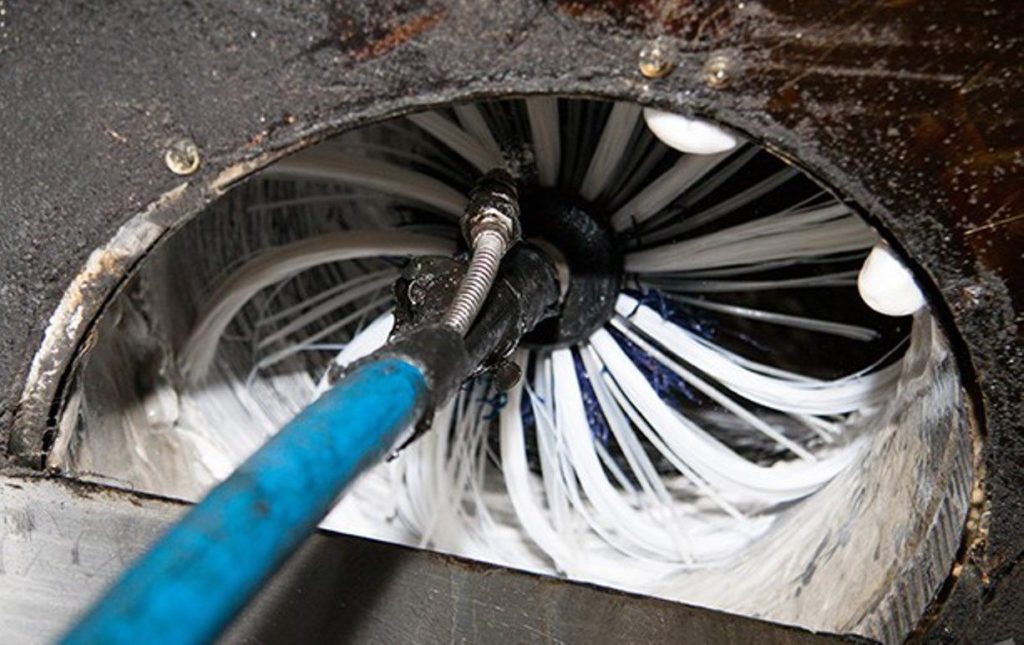
For example, in HVAC maintenance, rotary brushes can quickly remove dust, debris, and contaminants from ductwork, reducing the need for frequent service calls and improving air quality. In industrial settings, these brushes help maintain machinery and production lines, preventing costly breakdowns and extending the life of expensive equipment.

Comparing Rotary Brush Systems to Traditional Cleaning Methods
Traditional cleaning methods often involve manual scrubbing, chemical cleaners, or outdated equipment that can be labor-intensive and less effective. In contrast, rotary brush systems automate much of the process, delivering consistent results with less physical strain on workers. This not only reduces the risk of injury but also minimizes the need for overtime or additional staff.
When factoring in the total cost of ownership—including labor, supplies, and equipment replacement—rotary brush systems often come out ahead. Their versatility allows them to be used for multiple applications, further increasing their value and reducing the need for additional tools.
For a deeper dive into industry best practices, consider exploring the rotary brush system industry guide for comprehensive insights.
Maximizing ROI with Smart Maintenance Strategies
To truly benefit from rotary brush technology, it’s important to implement a proactive maintenance strategy. Regularly scheduled cleaning using rotary brushes can prevent the buildup of debris and contaminants, reducing the likelihood of costly repairs or system failures. This approach not only extends the life of your equipment but also ensures consistent performance and energy efficiency.
Here are some practical tips to maximize your investment:
- Schedule routine inspections and cleaning to prevent major issues.
- Train staff on proper use and care of rotary brush systems.
- Choose high-quality brushes designed for your specific applications.
- Monitor equipment performance to identify areas for further optimization.
By following these steps, organizations can achieve significant cost savings and improve overall operational efficiency.
Industry Applications and Real-World Results
Rotary brush systems are used across a variety of industries, from commercial HVAC maintenance to food processing and manufacturing. Their ability to adapt to different surfaces and contaminants makes them a valuable asset for any organization focused on efficiency and cost savings.
For example, in industrial facilities, rotary brushes can be used for cleaning conveyor belts, production lines, and ventilation systems. This not only helps maintain a safe and hygienic environment but also reduces the frequency of expensive shutdowns for deep cleaning or repairs. Facility managers have reported measurable reductions in labor hours and maintenance costs after switching to rotary brush solutions.
To stay ahead of the curve, it’s worth keeping up with rotary brush system future trends, which highlight new advancements and best practices for maximizing ROI.
Choosing the Right Rotary Brush System for Your Needs
Not all rotary brush systems are created equal. Selecting the right equipment depends on your specific cleaning requirements, facility size, and budget. Consider the following factors when making a decision:
- Brush material and design: Choose brushes that are compatible with the surfaces you need to clean.
- Motor power and speed settings: Ensure the system can handle your workload efficiently.
- Ease of maintenance: Opt for systems with accessible parts and simple upkeep routines.
- Manufacturer support and warranty: Reliable support can further reduce long-term costs.
Reading industry reviews and consulting with experts can help you identify the most cost-effective solution for your facility. For additional guidance, rotary brush system expert tips can provide valuable insights for both new and experienced users.
Expert Insights and Industry Resources
Industry professionals agree that investing in quality rotary brush equipment pays off in the long run. According to this comprehensive overview of rotary floor brush machines, organizations that prioritize proper maintenance and equipment selection consistently see lower operational costs and higher productivity.
Staying informed about the latest trends and technologies ensures you continue to benefit from advancements in cleaning efficiency and cost management.
Frequently Asked Questions
How do rotary brush systems reduce operational costs?
Rotary brush systems streamline cleaning processes, reduce labor hours, and minimize the need for frequent equipment replacement. Their efficiency and versatility allow businesses to maintain high cleanliness standards while lowering overall expenses.
What maintenance is required to maximize cost savings with rotary brushes?
Regular inspections, proper cleaning, and timely replacement of worn brushes are essential. Training staff on correct usage and following manufacturer guidelines can further extend equipment lifespan and enhance savings.
Are rotary brush systems suitable for all types of facilities?
Yes, rotary brush technology is adaptable to a wide range of environments, including commercial, industrial, and residential settings. Choosing the right system and brush type ensures optimal performance and cost-effectiveness for your specific needs.