Maintaining the right rotary brush cleaning frequency is essential for ensuring peak performance, extending equipment lifespan, and promoting a healthier environment. Whether you’re responsible for commercial cleaning, industrial maintenance, or home ductwork, understanding how often to use rotary brushes can make a significant difference in results and costs. This guide breaks down the factors that influence cleaning intervals, best practices, and actionable tips to help you optimize your cleaning schedule.
Rotary brush systems have become a staple in various industries due to their efficiency in removing dust, debris, and buildup from surfaces like air ducts, machinery, and floors. However, the effectiveness of these tools depends not just on technique, but also on how frequently they are used. Setting the right schedule helps prevent overuse, reduces wear, and ensures consistent cleanliness.
For those interested in the latest advancements, exploring rotary brush cleaning technology trends can provide deeper insights into how modern systems are evolving to meet diverse cleaning needs.
Key Factors Affecting Rotary Brush Cleaning Intervals
There is no universal answer to how often rotary brushes should be used. The optimal frequency depends on several variables, including:
- Type of Surface or Equipment: Air ducts, industrial floors, and production machinery all accumulate debris at different rates.
- Level of Use: High-traffic areas or heavily used equipment require more frequent cleaning.
- Environmental Conditions: Dusty, humid, or contaminated environments accelerate buildup.
- Material Being Cleaned: Some surfaces, like delicate HVAC coils, may need gentler and less frequent cleaning to avoid damage.
- Brush Material and Design: The durability and design of the brush itself affect how often it can be used before replacement is necessary.
By considering these factors, you can tailor your cleaning schedule to maximize efficiency and minimize unnecessary wear on your equipment.
Recommended Cleaning Schedules for Common Applications
Below are general guidelines for setting cleaning intervals in popular rotary brush applications. Adjustments should be made based on your specific conditions and manufacturer recommendations.
Air Ducts and HVAC Systems
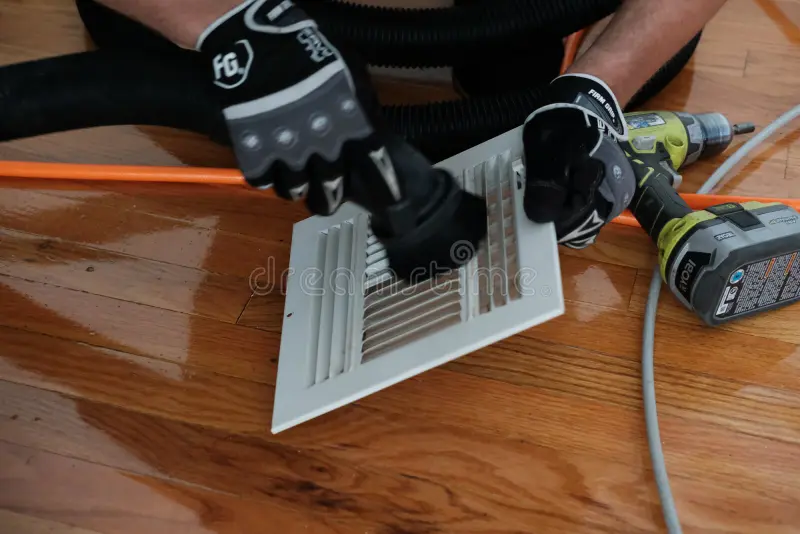
For residential and light commercial environments, air ducts typically benefit from rotary brush cleaning every 2–3 years. However, facilities with high dust loads, pets, or recent renovations may require annual attention. Regular inspection is key—if you notice visible dust, reduced airflow, or musty odors, it’s time to clean.
Industrial and Commercial Floors
In settings like warehouses, factories, and retail spaces, rotary brush floor cleaning frequency can range from daily to weekly. High-traffic zones or areas exposed to heavy debris should be cleaned more often, while less-used spaces may only need periodic attention.
Production Equipment and Machinery
Machinery exposed to dust, grease, or particulate matter benefits from scheduled rotary brush cleaning. Many facilities integrate this task into weekly or monthly maintenance routines. For critical equipment, more frequent cleaning may be necessary to prevent downtime and ensure product quality.
Signs That It’s Time to Clean with a Rotary Brush
Even with a set schedule, it’s important to recognize indicators that cleaning is overdue. Look for these common signs:
- Visible dust, lint, or debris buildup
- Reduced airflow or suction in HVAC systems
- Unpleasant odors emanating from ducts or equipment
- Increased energy consumption or system inefficiency
- Noticeable reduction in cleaning effectiveness
Addressing these issues promptly helps maintain optimal system performance and prevents more costly repairs down the line.
Best Practices for Maintaining Rotary Brush Systems
To get the most out of your rotary brush cleaning routine, follow these best practices:
- Inspect Brushes Regularly: Check for wear, deformation, or bristle loss and replace as needed.
- Clean Brushes After Use: Remove debris and sanitize to prevent cross-contamination.
- Follow Manufacturer Guidelines: Adhere to recommended cleaning intervals and maintenance procedures.
- Document Cleaning Activities: Keep a log of cleaning dates and observations for future reference.
- Train Staff: Ensure operators understand how to use and maintain rotary brush systems safely and effectively.
Adopting these habits not only extends the life of your brushes but also improves overall cleaning outcomes.

Industry Insights and Expert Recommendations
Professionals in the cleaning industry often recommend customizing schedules based on real-world observations and historical data. For example, some facilities use sensors or visual inspections to determine when cleaning is necessary, rather than relying solely on the calendar. This approach ensures resources are used efficiently and cleaning is performed only when needed.
For more advanced strategies and professional advice, consider reading rotary brush system expert tips to further refine your maintenance routines.
Additionally, understanding the rotary brush solutions for industrial facilities can help tailor your approach for large-scale or specialized environments.
Common Mistakes to Avoid
While setting a cleaning schedule is important, there are pitfalls to watch out for:
- Over-cleaning: Excessive use of rotary brushes can lead to premature wear on both the brush and the surface being cleaned.
- Neglecting Inspections: Failing to assess equipment regularly can result in missed signs of buildup or brush damage.
- Ignoring Manufacturer Instructions: Not all rotary brushes are created equal—always follow product-specific guidance.
- Using the Wrong Brush: Mismatched brush types or sizes can reduce cleaning effectiveness and cause damage.
Avoiding these mistakes helps ensure your cleaning program remains effective and cost-efficient.
Additional Resources
For those seeking to stay ahead of the curve, exploring rotary brush system future trends can provide valuable information on upcoming innovations and best practices.
If you’re interested in the essential parts of rotary brooms for specialized applications, this guide to commercial-grade rotary broom components offers a detailed breakdown of what makes these systems effective in demanding environments.
For production environments, reviewing rotary brush solutions for production environments can help you adapt cleaning strategies to unique operational needs.
Frequently Asked Questions
How do I determine the best rotary brush cleaning frequency for my facility?
Start by assessing the type of surfaces, the amount of debris generated, and the environment’s usage patterns. Consult manufacturer guidelines and adjust based on observed buildup or performance issues. Regular inspections and documentation help fine-tune your schedule over time.
Can I use the same rotary brush for different cleaning tasks?
It’s best to use brushes specifically designed for each application. Using the wrong brush can reduce cleaning effectiveness and risk damaging surfaces. Always clean and inspect brushes before switching between tasks to prevent cross-contamination.
What are the risks of cleaning too frequently with a rotary brush?
Over-cleaning can cause unnecessary wear on both the brush and the surfaces being cleaned. It may also increase labor and equipment costs. Stick to a schedule based on actual need and adjust as conditions change.
Conclusion
Optimizing your rotary brush cleaning frequency is a balance of observation, manufacturer recommendations, and practical experience. By considering your specific environment, monitoring results, and staying informed about industry trends, you can maintain cleaner spaces, extend equipment life, and achieve better outcomes with every cleaning cycle.