Maintaining cleanliness in transportation environments is essential for both operational efficiency and public health. Rotary brush cleaning for transportation facilities is a proven method for removing dust, debris, and contaminants from air ducts, vents, and other critical infrastructure. This approach is especially valuable in high-traffic locations such as airports, bus terminals, train stations, and maintenance depots, where air quality and equipment reliability are top priorities.
By using specialized rotary brush systems, facility managers can address the unique challenges posed by large-scale ventilation and exhaust systems. These tools are designed to dislodge and extract stubborn buildup, ensuring that air handling units and ductwork remain free of obstructions. For those interested in the broader context of how these systems are maintained over time, the rotary brush system lifecycle provides additional insights.
Understanding Rotary Brush Cleaning Systems
Rotary brush cleaning systems are mechanical devices equipped with rotating bristles that scrub the interior surfaces of ducts, vents, and pipes. These systems are often powered by electric or pneumatic motors, which spin the brush head at variable speeds to match the cleaning requirements of different surfaces. The brushes are typically made from synthetic or natural fibers, chosen for their durability and effectiveness in removing a wide range of contaminants.
In transportation environments, these systems are invaluable for cleaning:
- HVAC ductwork in passenger terminals
- Vehicle maintenance bays and garages
- Exhaust systems in bus and train depots
- Air handling units in airport facilities
By targeting hard-to-reach areas, rotary brush equipment helps maintain optimal airflow, reduce fire hazards, and extend the lifespan of ventilation systems.
Benefits of Rotary Brush Cleaning in Transit Environments
Implementing rotary brush cleaning for transportation facilities offers several key advantages:
- Improved Air Quality: Removing dust and allergens from ventilation systems helps protect passengers and staff from respiratory issues.
- Enhanced System Efficiency: Clean ducts and vents allow HVAC and exhaust systems to operate at peak performance, reducing energy consumption.
- Reduced Maintenance Costs: Regular cleaning prevents the buildup of debris that can lead to costly repairs or system failures.
- Compliance with Regulations: Many transportation hubs must adhere to strict air quality and safety standards, which rotary brush cleaning helps achieve.
For industries with similar needs, such as food processing or manufacturing, rotary brush technology is also widely adopted. Learn more about rotary brush cleaning for food plants and its safety benefits.

Key Steps in the Cleaning Process
The process of using rotary brush systems in transportation settings involves several important steps:
- Inspection: Technicians assess the condition of ducts and vents to identify problem areas and determine the appropriate brush size and type.
- Preparation: Access panels are opened, and protective measures are put in place to contain dust and debris during cleaning.
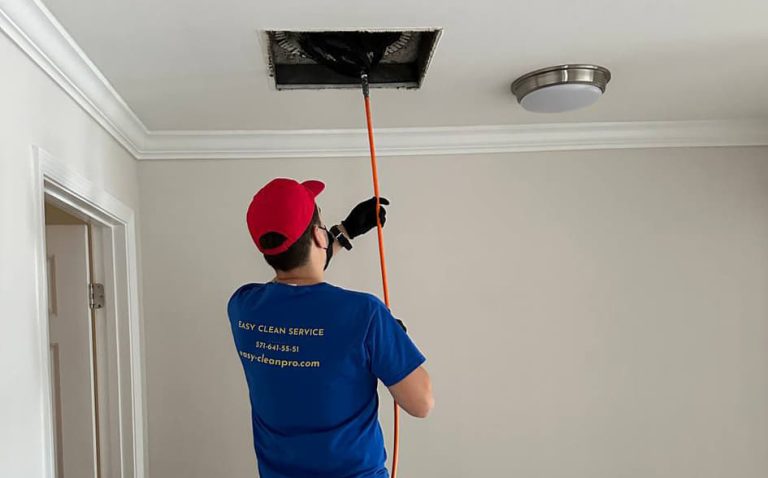
- Rotary Brushing: The brush head is inserted into the ductwork and rotated to scrub away accumulated material. The action of the bristles dislodges even stubborn deposits.
- Vacuum Extraction: Simultaneous vacuuming removes loosened debris, preventing it from circulating back into the facility.
- Final Inspection: After cleaning, the system is checked to ensure all contaminants have been removed and airflow is restored.
Routine maintenance using this method can help avoid unexpected breakdowns and maintain a healthy environment for travelers and staff alike.
Choosing the Right Rotary Brush Equipment
When selecting rotary brush tools for transit-related cleaning, consider the following factors:
- Brush Size and Material: Choose brushes that match the diameter and material of your ductwork for effective cleaning without causing damage.
- Motor Power: Ensure the motor can deliver sufficient torque for the length and complexity of your system.
- Flexibility: Some systems, such as the Flexible Rotary Brush, are designed to navigate bends and tight spaces commonly found in transportation infrastructure.
- Ease of Use: Look for lightweight, modular designs that simplify setup and operation, especially in large facilities.
For a deeper understanding of how these systems are applied in other sectors, explore the rotary brush manufacturing applications in industrial environments.
Best Practices for Maintaining Clean Transit Facilities
To maximize the benefits of rotary brush cleaning in transportation hubs, consider these best practices:
- Schedule Regular Cleanings: Establish a maintenance calendar based on facility usage and environmental factors.
- Train Staff: Ensure technicians are trained in the safe and effective use of rotary brush systems.
- Document Results: Keep detailed records of cleaning dates, findings, and any issues identified during inspections.
- Integrate with Other Cleaning Methods: Combine rotary brush cleaning with vacuuming, filter replacement, and surface disinfection for comprehensive facility hygiene.
For more information on cleaning rotary equipment in industrial settings, see this guide to cleaning a rotary dryer for practical tips and techniques.
Applications Beyond Transportation
While the focus here is on transit infrastructure, rotary brush systems are also widely used in agriculture and food processing. These sectors rely on similar technology to maintain cleanliness and meet regulatory standards. To learn more about these applications, review the rotary brush agricultural cleaning systems guide and the overview of rotary brush food processing systems and standards.
By understanding the versatility of rotary brush cleaning, facility managers can make informed decisions about which solutions best fit their operational needs.
Frequently Asked Questions
How often should rotary brush cleaning be performed in transportation facilities?
Frequency depends on the volume of traffic, environmental conditions, and regulatory requirements. Most transportation hubs benefit from semi-annual or annual cleanings, but high-traffic or urban locations may require more frequent attention to maintain optimal air quality and system performance.
What types of contaminants can rotary brush systems remove?
These systems are effective at removing dust, pollen, mold spores, lint, and other particulate matter from ducts and vents. They can also dislodge grease and oily residues in exhaust systems, making them suitable for a wide range of cleaning challenges in transit environments.
Are rotary brush cleaning tools safe for all duct materials?
Most rotary brush tools are designed to be safe for use on metal, plastic, and flexible ductwork. However, it is important to select the correct brush material and size to avoid damaging delicate or older ducts. Always consult equipment guidelines and, if in doubt, seek advice from a professional cleaning service.