Maintaining cleanliness and efficiency on industrial production lines is essential for product quality, worker safety, and equipment longevity. Among the various cleaning methods available, rotary brush cleaning for production lines stands out for its versatility and effectiveness. This approach uses rotating brushes to dislodge and remove dust, debris, and residues from surfaces, machinery, and ducts, making it a preferred solution across multiple industries, from food processing to electronics manufacturing.
In this guide, we’ll explore how rotary brush systems work, their benefits, best practices for implementation, and how they compare to alternative cleaning technologies. Whether you manage a large-scale facility or are seeking ways to improve operational hygiene, understanding these systems can help you make informed decisions for your production environment.
For those interested in the latest developments, rotary brush cleaning technology trends provide valuable insights into how these systems are evolving to meet modern industrial demands.
How Rotary Brush Systems Work in Industrial Settings
Rotary brush cleaning systems are designed to remove contaminants from a wide range of surfaces and equipment. They typically consist of a motorized unit that rotates cylindrical or disc-shaped brushes at variable speeds. The brushes, made from materials such as nylon, steel, or natural fibers, are chosen based on the specific cleaning requirements and the nature of the surfaces involved.
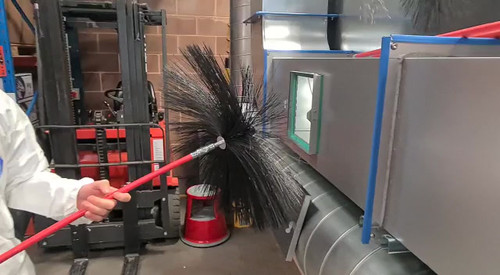
In production lines, these systems can be integrated into automated processes or used as portable units for targeted cleaning. The rotating action of the brushes effectively agitates and lifts away particles, which are then collected by vacuum or swept away. This method is especially effective for cleaning conveyor belts, ducts, pipes, and other hard-to-reach areas where manual cleaning would be inefficient or hazardous.
Key Advantages of Rotary Brush Cleaning for Production Lines
Implementing rotary brush cleaning offers several significant benefits for industrial operations:
- Consistent Cleaning Results: The mechanical action ensures uniform removal of debris, reducing the risk of contamination and product defects.
- Time and Labor Savings: Automated or semi-automated systems can clean large areas quickly, minimizing downtime and manual effort.
- Versatility: Suitable for a variety of surfaces, including metal, plastic, and fabric, making them adaptable to different production environments.
- Improved Equipment Lifespan: Regular removal of dust and residues helps prevent wear and tear, reducing maintenance costs and extending machinery life.
- Enhanced Safety: Cleaner workspaces reduce slip hazards and the risk of equipment malfunctions caused by buildup.
For facilities seeking comprehensive solutions, exploring rotary brush solutions for industrial facilities can provide further context on system integration and customization.

Applications and Use Cases in Production Environments
Rotary brush cleaning is widely used in sectors where cleanliness is directly linked to product quality and safety. Common applications include:
- Food and Beverage Processing: Removing residues from conveyor belts, mixers, and packaging equipment to prevent cross-contamination.
- Pharmaceutical Manufacturing: Ensuring sterile conditions by cleaning ducts, vents, and sensitive machinery.
- Automotive and Electronics: Clearing dust and particles from assembly lines and component surfaces to maintain precision and reliability.
- Textile Production: Cleaning rollers and looms to prevent fiber buildup and ensure smooth operation.
For more tailored advice, rotary brush solutions for production environments can help you identify the right system for your specific needs.
Choosing the Right Rotary Brush System
Selecting the most suitable rotary brush cleaning setup depends on several factors:
- Surface Material: Softer brushes are ideal for delicate surfaces, while stiffer bristles suit heavy-duty cleaning.
- Contaminant Type: Consider the nature and volume of debris—fine dust, sticky residues, or larger particles may require different brush types and speeds.
- Automation Level: Decide between fully automated, semi-automated, or manual systems based on your production line’s workflow and available resources.
- Integration: Ensure compatibility with existing equipment and processes to maximize efficiency.
Consulting with industry experts or reviewing rotary brush system expert tips can provide practical insights for making the right choice.
Maintenance and Best Practices for Rotary Brush Cleaning
To ensure optimal performance, regular maintenance of rotary brush systems is essential. Here are some best practices:
- Inspect Brushes Frequently: Check for wear, deformation, or contamination. Replace brushes as needed to maintain cleaning efficiency.
- Clean After Use: Remove accumulated debris from bristles and housings to prevent cross-contamination and mechanical issues.
- Lubricate Moving Parts: Ensure that bearings and drive components are properly lubricated to reduce friction and wear.
- Monitor System Performance: Track cleaning results and adjust brush speed, pressure, or type as necessary for different tasks.
For additional advice on keeping your equipment in top shape, consider reviewing maintenance tips for brush cutters, which often share relevant principles with rotary brush cleaning systems.
Comparing Rotary Brush Cleaning to Alternative Methods
While rotary brush cleaning is highly effective, it’s important to consider how it compares to other cleaning technologies:
| Cleaning Method | Strengths | Limitations |
|---|---|---|
| Rotary Brush | Versatile, thorough, suitable for various surfaces | Brush wear, may not reach extremely tight spaces |
| Compressed Air | Quick, non-contact, good for dust removal | Can disperse particles into the air, less effective on sticky residues |
| Vacuum Cleaning | Efficient for loose debris, minimal mess | Limited effectiveness on adhered contaminants |
| Chemical Cleaning | Effective on stubborn residues | Potential chemical hazards, requires rinsing |
Choosing the right method depends on your facility’s specific needs, regulatory requirements, and the types of contaminants present. For future-oriented insights, you may want to explore rotary brush system future trends to stay ahead of industry developments.
Frequently Asked Questions
What types of production lines benefit most from rotary brush cleaning?
Industries that require strict hygiene and consistent product quality—such as food processing, pharmaceuticals, and electronics—see the greatest benefits. However, any facility with conveyors, ducts, or equipment prone to dust and debris can improve efficiency and safety with this method.
How often should rotary brush systems be maintained?
Maintenance frequency depends on usage intensity and the environment. In most production settings, brushes should be inspected weekly and cleaned after each use. Replace brushes and lubricate moving parts as recommended by the manufacturer.
Can rotary brush cleaning be automated?
Yes, many systems are designed for integration with automated production lines. Automated rotary brush units can be programmed to operate at set intervals, reducing manual labor and ensuring consistent cleaning results.
Conclusion
Rotary brush cleaning offers a reliable, efficient, and adaptable solution for maintaining cleanliness on production lines. By selecting the right system, following best practices, and staying informed about technological advances, facilities can ensure product quality, reduce downtime, and extend equipment life. For more in-depth guidance, reviewing rotary brush system expert tips or consulting with industry specialists can help you optimize your cleaning strategy.