Mining environments are among the harshest industrial settings, with dust, debris, and residue accumulating rapidly on equipment, ducts, and ventilation systems. Keeping these areas clean is not just about maintaining efficiency—it’s essential for safety, regulatory compliance, and the longevity of expensive machinery. Rotary brush cleaning for mining operations has emerged as a highly effective solution, offering a blend of mechanical power and precision that manual cleaning methods can’t match.
This guide explores how rotary brush systems are transforming cleaning protocols in the mining sector. We’ll look at their advantages, how they work, and best practices for implementation. For those interested in the latest developments, you can also review rotary brush cleaning technology trends to see how innovations are shaping the future of industrial cleaning.

Understanding Rotary Brush Cleaning in Mining
Rotary brush systems use motor-driven, rotating brushes to dislodge and remove stubborn contaminants from surfaces. In mining, these systems are commonly deployed for cleaning ventilation ducts, conveyor belts, crushers, and other equipment prone to dust and debris buildup. The brushes are designed to reach into crevices and irregular surfaces, ensuring a thorough clean that manual tools often miss.
Unlike static brushes or compressed air, rotary brush cleaning provides consistent contact and agitation, which is especially important for removing compacted dust or mineral residues. This makes it a preferred method in environments where cleanliness directly impacts operational efficiency and worker health.
Why Choose Rotary Brush Systems for Mining Environments?
Mining operations face unique challenges that demand robust cleaning solutions. Here’s why rotary brush systems are well-suited for these settings:
- Efficiency: Rotary brushes clean faster and more thoroughly than manual scrubbing, reducing downtime for maintenance.
- Versatility: They can be adapted for a range of surfaces, from smooth metal ducts to rugged conveyor belts.
- Safety: Cleaner equipment means less risk of fire, equipment failure, and hazardous dust exposure for workers.
- Cost Savings: Regular, effective cleaning extends equipment life and reduces the need for costly repairs or replacements.
For more specialized advice on deploying these systems in industrial settings, see rotary brush solutions for industrial facilities.
Key Applications of Rotary Brush Cleaning in Mining
The use of rotary brush technology in mining is diverse. Here are some of the most common applications:
- Ventilation Ducts: Dust and residue can clog ventilation systems, reducing air quality and increasing fire risk. Rotary brushes help maintain clear airflow.
- Conveyor Belts: Build-up on belts can cause slippage, misalignment, and premature wear. Regular cleaning keeps operations running smoothly.
- Processing Equipment: Crushers, screens, and hoppers accumulate mineral dust and debris. Rotary brushes remove these deposits efficiently.
- Vehicle Maintenance Bays: Floors and pits in maintenance areas benefit from rotary brush scrubbing to remove oil, grease, and dirt.

How Rotary Brush Systems Work in Mining Operations
A typical rotary brush cleaning setup in mining consists of a power unit, a flexible shaft or rod, and a brush head tailored to the surface being cleaned. The operator inserts the brush into the duct, pipe, or equipment, activating the motor to spin the brush at high speed. This action scrapes away dust, scale, and debris, which is then vacuumed or swept away.
Some advanced systems offer remote control, variable speed settings, and interchangeable brush heads for different cleaning tasks. These features allow for precise cleaning without damaging sensitive surfaces.
For a deeper dive into the evolution of these systems, check out rotary brush system future trends.
Best Practices for Implementing Rotary Brush Cleaning
To maximize the benefits of rotary brush cleaning in mining, consider these best practices:
- Assess Cleaning Needs: Identify which areas and equipment require regular cleaning and the type of contaminants present.
- Select Appropriate Brushes: Use brushes with bristles suited to the material and level of soiling. Softer brushes for delicate surfaces, stiffer ones for heavy deposits.
- Train Staff: Ensure operators understand how to use the equipment safely and efficiently.
- Schedule Regular Maintenance: Establish a cleaning schedule to prevent buildup and avoid emergency shutdowns.
- Monitor Results: Track cleaning effectiveness and adjust methods as needed for optimal results.
Comparing Rotary Brush Cleaning to Other Methods
Mining operations have several options for cleaning, but rotary brush systems offer distinct advantages over alternatives like manual scrubbing, compressed air, or chemical cleaning:
| Method | Effectiveness | Speed | Safety | Environmental Impact |
|---|---|---|---|---|
| Rotary Brush | High (removes stubborn debris) | Fast | Safe (minimal dust exposure) | Low (no chemicals) |
| Manual Scrubbing | Moderate | Slow | Risk of injury, dust exposure | Low |
| Compressed Air | Low (surface only) | Moderate | Dust inhalation risk | Low |
| Chemical Cleaning | High (for certain residues) | Varies | Hazardous chemicals | High (waste disposal) |
Choosing the Right Rotary Brush Equipment
Selecting the right equipment is crucial for effective cleaning. Consider the following factors:
- Brush Size and Shape: Match the brush to the duct or equipment dimensions.
- Bristle Material: Nylon, steel, or mixed bristles suit different contaminants and surfaces.
- Power Source: Electric, pneumatic, or battery-powered units offer flexibility for different sites.
- Portability: Lightweight, modular systems are easier to transport and use in remote locations.
For expert guidance, rotary brush system expert tips can help you make informed decisions about equipment selection and maintenance.
Maintenance and Safety Considerations
Proper maintenance of rotary brush equipment is essential for safe, reliable operation. Inspect brushes for wear, replace damaged bristles, and clean the power unit regularly. Always follow manufacturer guidelines for operation and maintenance.
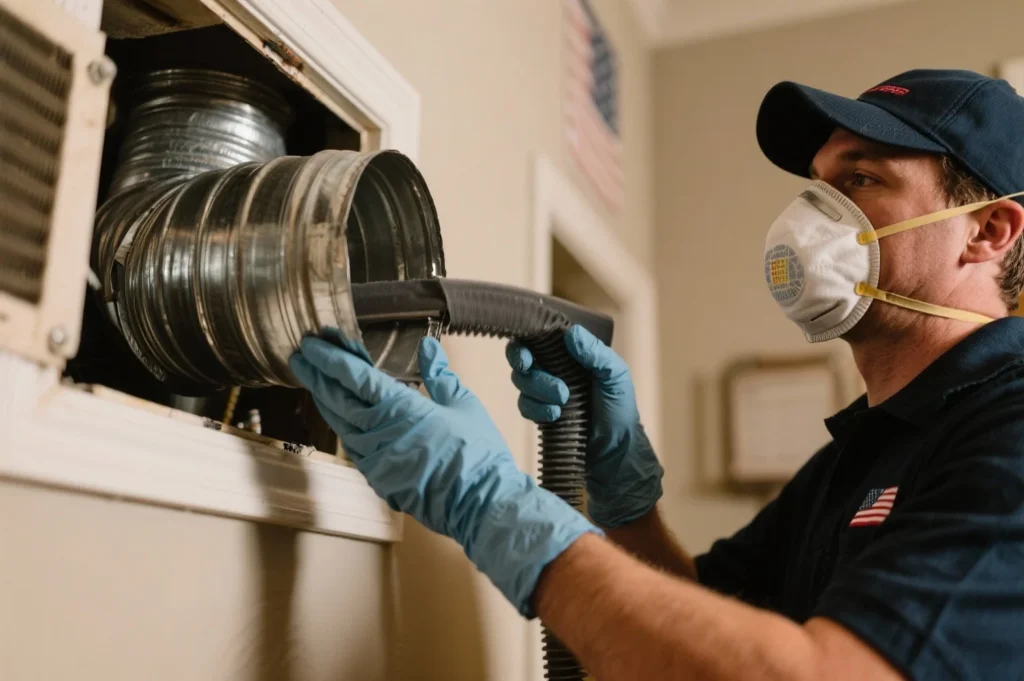
Safety is paramount in mining. Operators should wear appropriate personal protective equipment (PPE), including dust masks, gloves, and eye protection. Ensure that cleaning is performed during scheduled downtime to avoid interfering with production or exposing workers to moving machinery.
Industry Innovations and Future Outlook
The field of rotary brush cleaning continues to evolve, with new materials, automation features, and smart monitoring systems emerging. Automated brush systems can now be integrated with remote monitoring, reducing the need for manual intervention and improving consistency.
For more on emerging trends, see rotary floor brush machine innovations in industrial cleaning.
As mining operations become more automated and data-driven, expect rotary brush systems to play an even greater role in predictive maintenance and environmental management.
FAQs
How often should rotary brush cleaning be performed in mining operations?
The frequency depends on the type of equipment, dust levels, and regulatory requirements. High-dust areas like ventilation ducts may require monthly or even weekly cleaning, while other equipment can be cleaned quarterly. Regular inspections help determine the optimal schedule.
Can rotary brush systems be used on all types of mining equipment?
Most rotary brush systems are versatile and come with interchangeable heads for different surfaces. However, always check compatibility with the manufacturer, especially for delicate or specialized equipment.
What are the main safety precautions when using rotary brush cleaning equipment?
Operators should wear PPE, ensure machinery is powered down before cleaning, and follow all manufacturer instructions. Regular maintenance of the cleaning equipment itself is also important to prevent malfunctions.
Are there environmental benefits to using rotary brush systems in mining?
Yes, rotary brush cleaning typically requires no chemicals and produces minimal waste, making it an environmentally friendly option compared to chemical cleaning methods.
Where can I find more information about rotary brush solutions for production environments?
For further details, visit rotary brush solutions for production environments to explore tailored options for various industrial settings.