Maintaining clean and safe industrial floors is essential for productivity, safety, and equipment longevity. Among the most effective solutions available, rotary brush cleaning for industrial floors stands out for its ability to tackle stubborn debris, dust, and grime in large-scale environments. This method leverages rotating brushes—often powered by specialized machines—to scrub, loosen, and remove contaminants from a variety of hard surfaces. Its efficiency and versatility make it a preferred choice in warehouses, factories, and production facilities.
Industrial floors face unique challenges, including heavy foot traffic, spills, and the accumulation of hazardous materials. Traditional cleaning methods may fall short, especially when dealing with ingrained dirt or textured surfaces. Rotary brush systems, however, are designed to address these demands, offering deep cleaning capabilities that manual tools or simple mopping cannot match.
For those interested in exploring advanced equipment options, rotary brush hybrid cleaning systems offer a blend of technologies that can further enhance cleaning outcomes and operational efficiency.
How Rotary Brush Systems Work on Industrial Surfaces
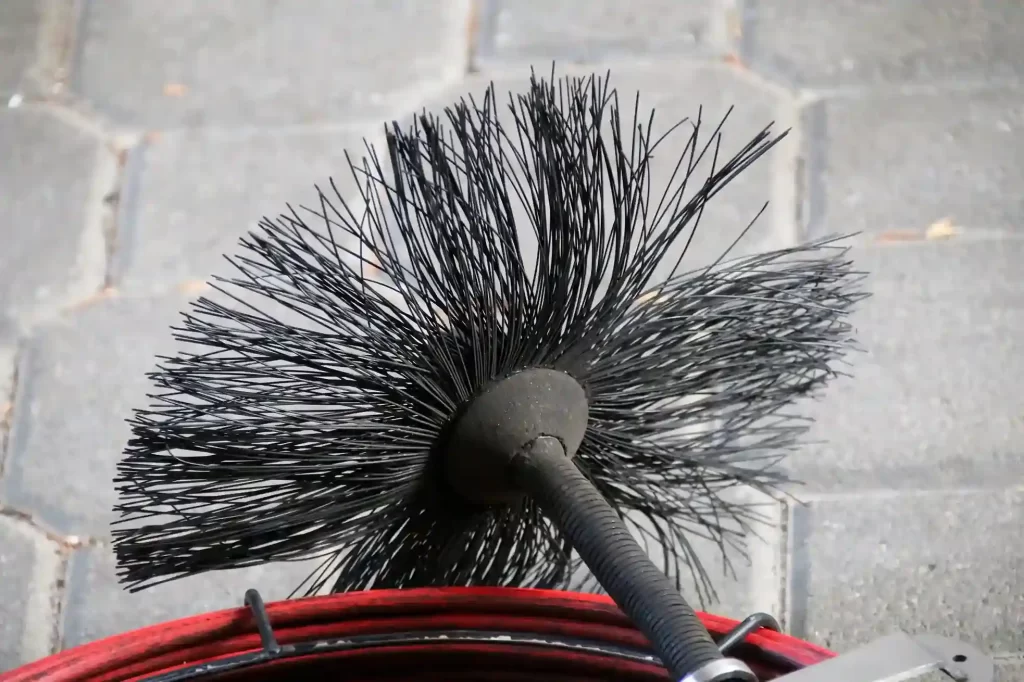
Rotary brush machines use motor-driven circular brushes that spin at high speeds to agitate and lift dirt from floor surfaces. These brushes come in various materials—such as nylon, polypropylene, or wire—tailored to different flooring types and cleaning requirements. The rotation, combined with downward pressure, enables the bristles to reach into grooves, cracks, and textured surfaces, dislodging debris that standard cleaning tools might miss.
Some rotary brush systems are integrated into ride-on or walk-behind floor scrubbers, making them suitable for covering large areas efficiently. Others are designed for spot cleaning or for use in confined spaces. The adaptability of these systems allows facility managers to choose the right configuration for their specific needs.
Key Benefits of Rotary Brush Floor Cleaning
Choosing rotary brush technology for industrial floor care brings several important advantages:
- Deep Cleaning Power: The rotating action of the brushes penetrates surface layers, removing embedded dirt and residues.
- Time and Labor Savings: Machines equipped with rotary brushes can clean large areas quickly, reducing manual effort and downtime.
- Versatility: Suitable for a range of floor types, including concrete, epoxy, tile, and even some textured coatings.
- Improved Safety: Effective removal of oils, dust, and debris helps prevent slips, trips, and falls in busy industrial environments.
- Enhanced Floor Longevity: Regular, thorough cleaning prevents abrasive particles from wearing down floor surfaces.
Choosing the Right Rotary Brush Equipment
Selecting the appropriate rotary brush system depends on several factors, including floor material, the level of soiling, and facility size. For instance, softer bristles are ideal for delicate surfaces, while stiffer brushes can tackle heavy grime on concrete. It’s also important to consider machine size and maneuverability, especially in facilities with tight aisles or obstacles.
For a deeper dive into selecting the best motor for your needs, see this detailed guide on rotary brush motor selection, which covers power ratings, compatibility, and maintenance considerations.

Applications and Use Cases in Industrial Settings
Rotary brush floor cleaning is widely used in a variety of industrial environments:
- Warehouses: Removal of dust, packaging debris, and tire marks from forklifts.
- Manufacturing Plants: Cleaning up oil spills, metal shavings, and production residues.
- Food Processing Facilities: Ensuring hygienic surfaces by eliminating organic buildup and sticky residues.
- Logistics Hubs: Maintaining clear, safe walkways and loading zones.
These systems are also effective for periodic deep cleaning, supplementing daily maintenance routines and helping facilities comply with safety and cleanliness standards.
Maintenance and Longevity of Rotary Brushes
Proper care of rotary brush equipment is essential for optimal performance and cost-effectiveness. Regularly inspecting brushes for wear and replacing them as needed ensures consistent cleaning results. It’s also important to clean the brushes themselves after use to prevent the buildup of grime and contaminants.
For tips on extending the lifespan of your cleaning brushes and maximizing your investment, refer to this resource on rotary brush lifespan optimization.
Best Practices for Effective Floor Cleaning
To get the most out of rotary brush cleaning, follow these best practices:
- Match Brush Type to Floor Surface: Use softer brushes for delicate floors and stiffer ones for heavy-duty cleaning.
- Adjust Pressure and Speed: Set machine parameters according to manufacturer recommendations to avoid surface damage.
- Pre-Sweep Large Debris: Remove loose items before using rotary equipment to prevent jams and maximize brush contact.
- Use Appropriate Cleaning Solutions: Pair brushes with compatible detergents for enhanced results, especially on oily or sticky residues.
- Regular Maintenance: Clean and inspect brushes and machines after each use to ensure longevity and performance.
For additional guidance on maintaining your cleaning tools, the brush cutter maintenance guide offers practical advice that applies to rotary brush systems as well.
Comparing Rotary Brush Systems with Other Cleaning Methods
While rotary brush machines are highly effective, it’s important to understand how they compare with alternative methods:
| Cleaning Method | Strengths | Limitations |
|---|---|---|
| Rotary Brush Machines | Deep cleaning, effective on textured and uneven surfaces, fast coverage | Requires investment in equipment, periodic brush replacement |
| Manual Scrubbing | Low cost, simple for small areas | Labor-intensive, inconsistent results, not suitable for large spaces |
| Pressure Washing | Removes heavy grime, good for outdoor areas | Water use, potential for surface damage, not ideal for indoor use |
| Vacuum Sweepers | Efficient dust and debris removal | Limited on sticky or ingrained dirt, less effective on textured floors |
For facilities with specialized needs, such as metal surface finishing, a rotary brush system for polishing metal may be more appropriate.
Frequently Asked Questions
What types of industrial floors benefit most from rotary brush cleaning?
This method is particularly effective on hard surfaces such as concrete, epoxy, tile, and textured coatings. It is less suitable for soft or highly polished floors, where gentler cleaning methods may be preferred.
How often should rotary brush cleaning be performed in industrial facilities?
The frequency depends on the level of traffic and the type of contaminants present. High-traffic areas may require daily or weekly cleaning, while less-used spaces can be maintained with monthly deep cleaning.
How do I know when to replace the brushes on my cleaning machine?
Inspect brushes regularly for signs of wear, such as fraying or flattening of bristles. Reduced cleaning performance or visible streaks on the floor are also indicators that replacement is needed. For more tips, see the section on rotary brush lifespan optimization.
Conclusion
Rotary brush cleaning systems provide a powerful, efficient, and versatile solution for maintaining industrial floors. By selecting the right equipment, following best practices, and maintaining your tools, you can ensure a cleaner, safer, and more productive environment. Whether you manage a warehouse, factory, or logistics hub, investing in rotary brush technology is a smart move for long-term facility care.