Keeping conveyor systems clean is essential for maintaining efficiency, product quality, and safety in industrial environments. Rotary brush cleaning for conveyors has become a preferred solution for many facilities, thanks to its effectiveness in removing debris, dust, and residue from belts and rollers. This article explores how rotary brush systems work, their advantages, and practical tips for selecting and using these tools to streamline maintenance routines.
Whether you manage a food processing plant, a packaging line, or any operation with conveyor belts, understanding the latest developments in rotary brush technology can help you reduce downtime and extend equipment life. For those interested in in-depth industry insights, the rotary brush system industry guide offers a comprehensive overview of current best practices and standards.

How Rotary Brush Systems Work on Conveyor Belts
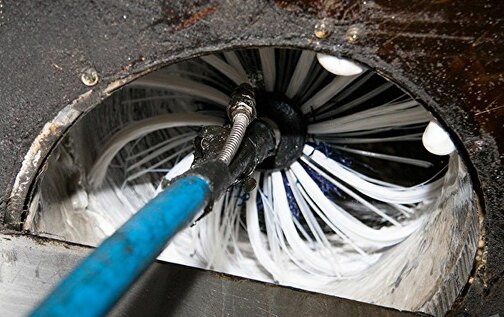
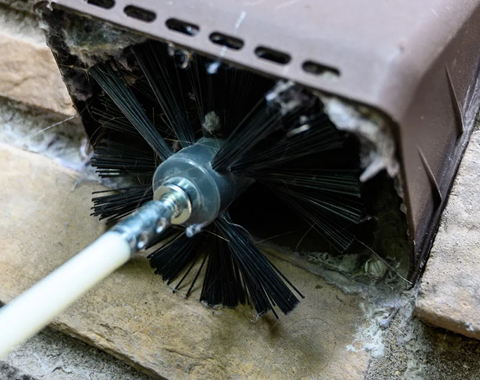
Rotary brush mechanisms are designed to provide continuous, automated cleaning for conveyor surfaces. These systems typically feature cylindrical brushes that rotate at controlled speeds, making contact with the conveyor belt or rollers to dislodge and sweep away contaminants. The bristles can be made from various materials—such as nylon, polypropylene, or steel—depending on the application and the type of debris being removed.
The brushes are usually mounted perpendicular or at an angle to the belt, ensuring thorough coverage and consistent results. As the conveyor operates, the rotating action of the brush agitates and lifts particles, which are then collected by a vacuum, tray, or other extraction method. This process minimizes manual intervention and helps maintain a cleaner production environment.
Key Benefits of Using Rotary Brush Cleaning for Conveyors
Adopting a rotary brush cleaning system for your conveyor lines offers several practical advantages:
- Consistent Cleaning: Automated brushes deliver uniform cleaning results, reducing the risk of missed spots or buildup.
- Reduced Downtime: By preventing debris accumulation, these systems help avoid jams and unplanned stoppages.
- Extended Equipment Life: Regular removal of abrasive particles protects belts and rollers from premature wear.
- Improved Safety: Clean conveyors lower the risk of slip hazards and contamination, especially in food and pharmaceutical industries.
- Labor Savings: Automation frees up maintenance staff for other tasks, increasing overall productivity.
For those seeking the latest innovations, rotary brush cleaning technology trends highlight emerging materials and smart features that further enhance cleaning efficiency.
Choosing the Right Rotary Brush System for Your Needs
Selecting an appropriate brush system depends on several factors, including conveyor width, belt material, type of debris, and cleaning frequency. Here are some important considerations:
- Bristle Material: Softer bristles (nylon or polypropylene) are ideal for delicate belts, while tougher materials (steel wire) suit heavy-duty or abrasive cleaning.
- Brush Diameter and Length: Match the brush size to your conveyor dimensions for optimal contact and coverage.
- Mounting Options: Some systems offer adjustable mounts or modular designs for easy integration with existing equipment.
- Power Source: Rotary brushes may be powered by electric motors, pneumatic drives, or even manual cranks for smaller setups.
- Maintenance Requirements: Look for systems with replaceable brushes and accessible components to simplify upkeep.
Consulting with a supplier or referencing expert advice—such as the rotary brush system expert tips—can help you make an informed decision tailored to your facility’s specific needs.
Best Practices for Effective Conveyor Cleaning
To maximize the benefits of rotary brush cleaning, follow these practical guidelines:
- Regular Inspection: Check brushes for wear and replace them as needed to maintain cleaning performance.
- Monitor Belt Tension: Proper belt alignment and tension ensure consistent brush contact and prevent damage.
- Adjust Brush Speed: Set the rotation speed according to the type of debris and conveyor speed for optimal results.
- Clean Extraction Systems: Empty trays or vacuum systems regularly to prevent clogging and maintain airflow.
- Document Maintenance: Keep records of cleaning schedules and brush replacements to track performance and identify trends.
Implementing these steps can help you achieve cleaner conveyors, reduce maintenance costs, and support compliance with industry standards.
Applications and Industry Use Cases
Rotary brush cleaning is widely adopted across various industries. In food processing, these systems help prevent cross-contamination and maintain hygiene standards. Packaging and logistics centers use rotary brushes to keep belts free of dust and packaging debris, ensuring smooth product flow. Heavy industries, such as mining and aggregate handling, rely on robust brush systems to remove abrasive materials that can damage equipment.
For facilities seeking to stay ahead of the curve, exploring rotary brush system future trends can provide valuable insights into upcoming technologies and automation features that further improve cleaning outcomes.
Common Challenges and Solutions
While rotary brush systems offer many benefits, users may encounter challenges such as brush wear, improper installation, or compatibility issues with certain conveyor designs. Addressing these challenges involves:
- Routine Maintenance: Schedule regular checks and replace worn brushes promptly.
- Proper Sizing: Ensure the brush matches the conveyor’s width and surface profile.
- Training Staff: Provide clear instructions for installation, adjustment, and troubleshooting.
- Consulting Experts: When in doubt, seek guidance from suppliers or refer to resources like rotary brush solutions for industrial facilities for tailored advice.
By proactively managing these factors, facilities can enjoy reliable performance and long-term value from their rotary brush cleaning investments.
Integrating Rotary Brush Cleaning with Other Maintenance Strategies
For the best results, rotary brush systems should be part of a comprehensive conveyor maintenance program. Combining automated cleaning with periodic manual inspections, lubrication, and component checks ensures that the entire system operates smoothly. Facilities may also benefit from monitoring technologies that track brush performance and alert staff to potential issues before they escalate.
In some cases, integrating rotary brush cleaning with other automated solutions—such as belt scrapers or air knives—can provide even more thorough debris removal, especially in demanding environments.
For a broader look at industry advancements, the guide to cleaning a rotary dryer offers practical tips that can be adapted for conveyor maintenance in similar industrial settings.
FAQ: Rotary Brush Cleaning for Conveyor Systems
How often should rotary brushes be replaced on conveyor systems?
The replacement frequency depends on the type of debris, conveyor speed, and brush material. As a general rule, inspect brushes monthly and replace them when bristles show significant wear or cleaning performance declines.
Can rotary brush systems be retrofitted to existing conveyors?
Yes, many rotary brush cleaning solutions are designed for easy integration with existing conveyor lines. Modular mounts and adjustable brackets make retrofitting straightforward for most standard belt types.
Are rotary brush cleaners suitable for food-grade applications?
Absolutely. Food-grade rotary brush systems use materials and designs that comply with hygiene standards. Always select brushes with FDA-approved bristles and housings for use in food processing environments.
What are the main differences between rotary brush and scraper cleaning methods?
Rotary brushes use rotating bristles to sweep away fine particles and dust, while scrapers are better for removing sticky or heavy residues. Many facilities use both methods together for comprehensive cleaning.
How do I choose the right bristle material for my application?
Consider the type of debris and conveyor belt material. Softer bristles are best for delicate surfaces, while tougher bristles handle abrasive or heavy-duty cleaning. Consult your supplier for specific recommendations.