Maintaining clean and safe runways is a top priority for airport operations worldwide. The accumulation of debris, rubber, dust, and other contaminants on runways and taxiways can compromise aircraft safety, reduce surface friction, and lead to costly maintenance issues. Rotary brush cleaning for airports has emerged as a highly effective solution to address these challenges, offering a reliable method for keeping airside surfaces clear and compliant with strict aviation standards.
This article explores the key benefits, operational principles, and best practices of rotary brush systems in airport environments. We’ll also connect you with further resources, including insights on rotary brush cleaning technology trends that are shaping the future of this essential maintenance process.
Why Clean Runways Matter in Aviation
Airport runways are exposed to constant wear and environmental exposure. Aircraft landings and takeoffs leave behind rubber deposits, while wind and weather can bring in dust, sand, and other foreign objects. If not removed regularly, these contaminants can:
- Reduce runway friction, increasing the risk of hydroplaning and accidents.
- Obstruct runway markings, making navigation less clear for pilots.
- Accelerate surface wear, leading to more frequent and expensive repairs.
- Cause foreign object debris (FOD) hazards that threaten aircraft safety.
Effective cleaning is not just about appearance—it’s a matter of operational safety and regulatory compliance. Many aviation authorities mandate regular surface cleaning as part of their safety protocols.
How Rotary Brush Systems Work for Airport Surfaces
Rotary brush cleaning for airports relies on robust mechanical action to dislodge and remove stubborn contaminants. These systems typically feature:
- High-torque rotating brushes designed to scrub runway and taxiway surfaces.
- Adjustable brush pressure and speed to suit different debris types and surface conditions.
- Integrated vacuum or sweeping mechanisms to collect loosened material.
- Compatibility with water or chemical sprays for enhanced cleaning of rubber and oil residues.
Mounted on specialized vehicles, rotary brushes can cover large areas quickly and efficiently, minimizing downtime and disruption to airport operations.
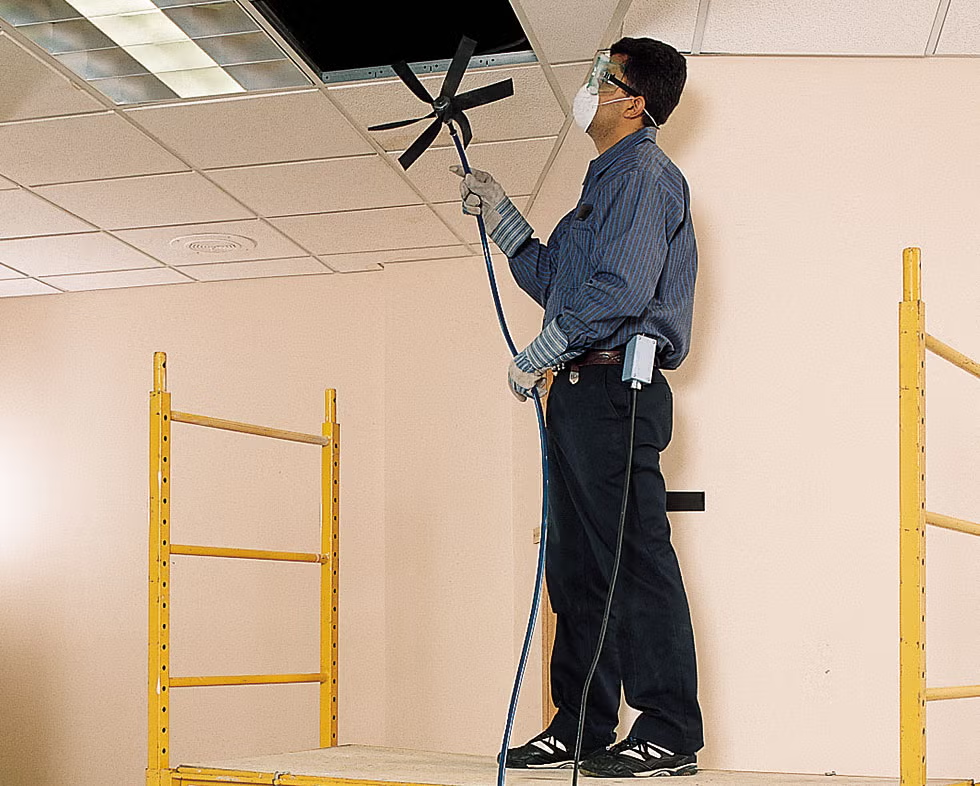
Key Advantages of Rotary Brush Cleaning for Airports
Airport maintenance teams choose rotary brush systems for several compelling reasons:
- Superior debris removal: The mechanical action is highly effective against tough deposits like rubber, oil, and compacted dirt.
- Operational efficiency: Large surface areas can be cleaned rapidly, reducing runway closure times.
- Adaptability: Brushes can be swapped or adjusted for various surfaces, including asphalt, concrete, and painted markings.
- Cost-effectiveness: Regular cleaning extends the life of runway surfaces and markings, lowering long-term maintenance costs.
- Environmental compliance: Many systems are designed to minimize water and chemical usage, supporting sustainability goals.
For airports seeking to balance safety, efficiency, and environmental responsibility, rotary brush cleaning represents a proven solution.
Best Practices for Implementing Rotary Brush Cleaning at Airports
To maximize the benefits of rotary brush systems, airport facilities should consider the following best practices:
- Schedule regular cleaning cycles: Develop a maintenance calendar based on traffic volume, weather patterns, and regulatory requirements.
- Train operators thoroughly: Proper handling and adjustment of rotary brushes ensure optimal results and prevent surface damage.
- Monitor surface conditions: Use friction testing and visual inspections to assess cleaning effectiveness and adjust schedules as needed.
- Integrate with other cleaning technologies: Combine rotary brush cleaning with vacuum sweepers or water jets for comprehensive debris removal.
- Stay updated on technology: Explore the latest rotary brush system future trends to keep your airport’s maintenance program at the cutting edge.
Following these guidelines helps airports maintain optimal surface conditions and meet the highest safety standards.
Comparing Rotary Brush Cleaning to Other Methods
While rotary brush systems are highly effective, it’s useful to compare them with alternative cleaning approaches:
| Method | Strengths | Limitations |
|---|---|---|
| Rotary Brush | Excellent for heavy debris and rubber removal; fast coverage; adaptable | Requires skilled operation; brush wear over time |
| High-Pressure Water | Effective for surface washing and fine dust | High water use; less effective on rubber deposits |
| Vacuum Sweeping | Good for loose debris and FOD | Limited action on adhered contaminants |
| Chemical Cleaning | Targets oil and grease | Environmental concerns; requires careful handling |
Many airports use a combination of these methods, with rotary brush cleaning forming the backbone of their surface maintenance strategy.
Choosing the Right Rotary Brush System for Your Facility
When selecting a rotary brush solution, consider factors such as:
- Runway and taxiway dimensions
- Typical debris types and volume
- Frequency of required cleaning
- Compatibility with existing maintenance vehicles
- Availability of replacement brushes and parts
Consulting with equipment suppliers and reviewing rotary brush system expert tips can help you make an informed decision tailored to your airport’s unique needs.

Industry Insights and Further Reading
The field of airport surface maintenance is constantly evolving. For those interested in the latest developments, reviewing the ultimate rotary brush system industry guide can provide a comprehensive overview of equipment options, maintenance strategies, and regulatory trends.
Additionally, understanding the differences between cleaning methods—such as those discussed in this comparison of negative air pressure and rotary brush cleaning—can help airport managers make informed choices for their facilities.
Frequently Asked Questions
How often should airport runways be cleaned with rotary brush systems?
The optimal frequency depends on airport traffic, weather conditions, and regulatory requirements. Busy airports may require weekly or even daily cleaning, while smaller facilities might schedule monthly maintenance. Regular inspections help determine the right interval.
Are rotary brush systems safe for all runway surfaces?
Modern rotary brush equipment is designed to be safe for both asphalt and concrete surfaces when operated correctly. Adjustable brush pressure and material selection help prevent surface damage. Operator training is essential to ensure safe and effective use.
Can rotary brush cleaning remove rubber deposits from aircraft landings?
Yes, one of the primary advantages of rotary brush technology is its ability to dislodge and remove rubber build-up left by aircraft tires. For especially stubborn deposits, combining rotary brushing with water or chemical sprays can improve results.
What are the environmental considerations of using rotary brush systems?
Many modern rotary brush solutions are engineered to minimize water and chemical use, reducing environmental impact. Regular maintenance of brushes and collection systems also helps prevent debris from entering stormwater drains.
Where can I learn more about the latest trends in rotary brush cleaning?
For in-depth information, check out resources on rotary brush solutions for industrial facilities and explore articles focused on technology trends in the sector.