Rotary brush systems are widely used for cleaning ducts, industrial surfaces, and various equipment where thorough debris removal is essential. Achieving optimal results with these tools depends on several factors, from brush selection to operational technique. This article explores practical strategies to maximize rotary brush cleaning effectiveness, offering actionable advice for both professionals and DIY users.
Understanding the nuances of brush type, maintenance routines, and the right cleaning approach can make a significant difference in outcomes. For those working in production environments, learning about rotary brush solutions for production environments can provide additional insights into specialized applications and advanced techniques.
Key Factors That Influence Cleaning Performance
Several variables contribute to the overall rotary brush cleaning effectiveness. Understanding and optimizing these factors ensures better results, less wear on equipment, and improved safety.
- Brush Material and Design: The type of bristles—nylon, steel, or polypropylene—affects how aggressively the brush removes debris. Softer bristles are ideal for delicate surfaces, while stiffer ones handle tough grime.
- Rotation Speed: Higher RPMs can increase cleaning power but may also cause excessive wear or surface damage if not matched to the application.
- Pressure Applied: Applying consistent, moderate pressure helps the brush maintain contact without damaging surfaces or overloading the motor.
- Debris Type: Dust, lint, grease, and other contaminants each require specific brush types and cleaning techniques for optimal removal.
- Maintenance and Replacement: Worn brushes lose their effectiveness. Regular inspection and timely replacement are critical for maintaining high performance.
Choosing the Right Brush for the Job
Selecting the appropriate brush is foundational to achieving superior cleaning results. Consider the following when choosing a rotary brush:
- Surface Compatibility: Match the bristle material to the surface being cleaned. For example, use softer brushes for HVAC ducts and harder bristles for industrial machinery.
- Brush Size: The diameter and length of the brush should fit the duct or surface area to ensure full coverage and efficient debris removal.
- Attachment Type: Ensure the brush fits securely onto your rotary tool or extension rods to prevent slippage during operation.
For a deeper dive into quality standards and brush selection, refer to the rotary brush cleaning quality standards guide for best practices and compliance information.
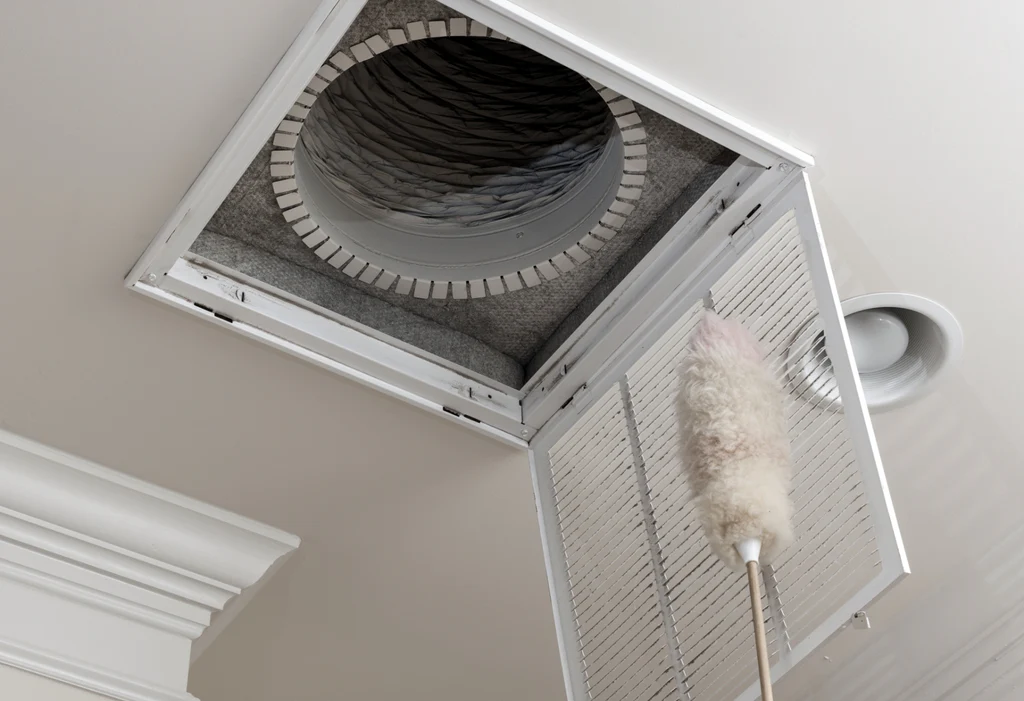
Techniques to Maximize Rotary Brush Cleaning Results
Proper technique is as important as equipment choice. The following methods help boost cleaning efficiency and extend the life of both the brush and the cleaned surfaces:
- Start Slow: Begin at a lower speed to avoid scattering debris and gradually increase as needed.
- Consistent Movement: Move the brush steadily through the duct or across the surface, avoiding prolonged contact in one spot to prevent wear or damage.
- Multiple Passes: For heavily soiled areas, make several passes rather than forcing the brush through quickly.
- Use of Extensions: Flexible rods or extension pieces allow access to deep or curved spaces, ensuring comprehensive cleaning.
- Vacuum Assistance: Pairing the rotary brush with a vacuum system helps capture loosened debris, improving air quality and reducing cleanup time.
For more on troubleshooting and refining your technique, the rotary brush troubleshooting common issues resource offers solutions to frequent challenges.
Maintenance Tips for Sustained Effectiveness
Routine maintenance is essential for keeping your rotary brush system operating at peak efficiency. Here are some best practices:
- Inspect Bristles: Check for wear, bending, or missing sections after each use. Replace brushes that show significant deterioration.
- Clean After Use: Remove debris and wash the brush with mild detergent if necessary. Dry thoroughly before storage to prevent mold or rust.
- Lubricate Moving Parts: Apply appropriate lubricants to bearings and joints to ensure smooth rotation and prevent seizing.
- Store Properly: Keep brushes in a dry, cool place, away from direct sunlight or chemicals that could degrade the bristles.
Following a regular maintenance schedule not only improves cleaning results but also extends the lifespan of your investment.
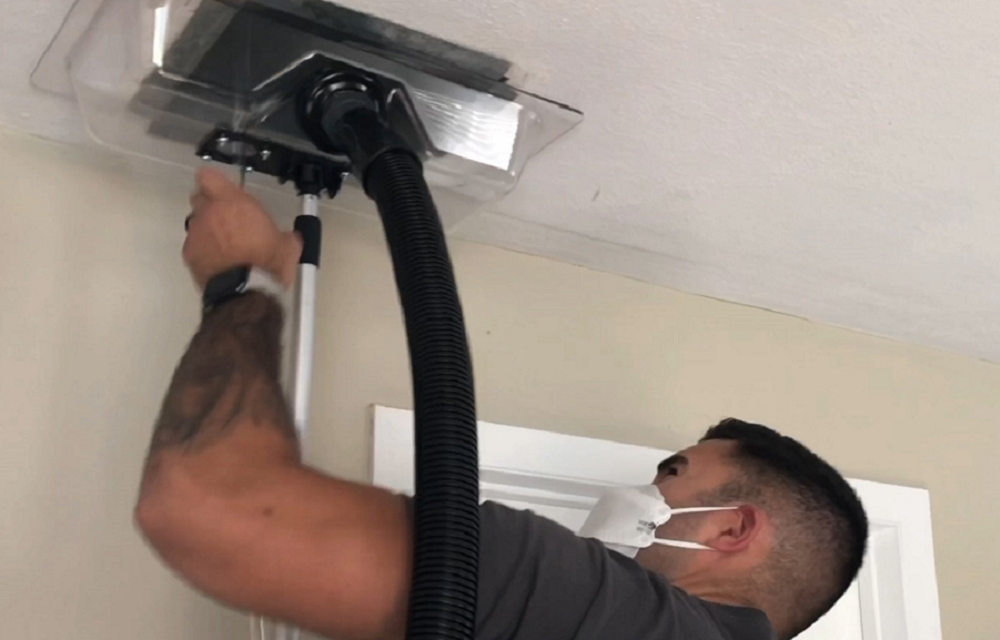
Advanced Approaches and Technology Improvements
Recent advancements in rotary brush systems have introduced features that further enhance cleaning efficiency. Hybrid systems, for example, combine mechanical agitation with suction or chemical application for superior results. Learn more about these innovations in the rotary brush hybrid cleaning systems article.
Other notable improvements include:
- Adjustable Speed Controls: Allow users to fine-tune rotation for different surfaces and debris types.
- Interchangeable Brush Heads: Enable quick adaptation to various cleaning tasks without changing the entire tool.
- Integrated Sensors: Some advanced systems monitor brush wear or cleaning progress, alerting users when maintenance or replacement is needed.
For a broad overview of the latest trends and future developments, see the rotary brush system future trends resource.
Common Mistakes That Reduce Cleaning Efficiency
Even with the right equipment, certain missteps can undermine your efforts. Avoid these common errors to maintain high rotary brush cleaning effectiveness:
- Using the wrong brush type for the surface or debris.
- Neglecting regular maintenance and inspection.
- Applying excessive force, which can damage both the brush and the cleaned surface.
- Failing to use vacuum assistance, resulting in recontamination of the cleaned area.
- Overlooking safety precautions, such as wearing protective gear and ensuring proper ventilation.
For additional guidance on selecting and using rotating brushes, the rotating brushes overview from the Brush Manufacturers Association provides comprehensive information on types, applications, and care.
FAQ
How often should rotary brushes be replaced?
Brushes should be replaced when bristles show significant wear, bending, or missing sections. For frequent users, inspect after each cleaning session and replace as needed to maintain optimal performance.
Can rotary brush systems be used on all duct types?
Most rotary brush systems are compatible with metal and flexible ducts, but always check manufacturer recommendations. Use softer bristles for delicate or insulated ducts to avoid damage.
What safety precautions should be taken during rotary brush cleaning?
Wear protective eyewear, gloves, and a dust mask. Ensure the area is well-ventilated and keep loose clothing or hair secured to prevent entanglement. Always disconnect power before adjusting or changing brush attachments.