Indoor air quality is a major concern for homeowners and building managers, especially when it comes to maintaining clean and healthy ventilation systems. One often overlooked factor is the impact of smoking on air duct cleanliness. Cigarette smoke introduces a range of contaminants into the air, which can settle within ductwork, leading to persistent odors and reduced air quality throughout the building. Understanding how smoking affects air ducts is essential for anyone looking to maintain a healthy indoor environment and avoid costly cleaning or repairs.
Beyond visible stains or lingering smells, smoke particles can adhere to duct surfaces and HVAC components, creating challenges for both cleanliness and odor control. Addressing these issues requires a combination of regular maintenance, effective cleaning strategies, and sometimes advanced filtration solutions. For those interested in specialized cleaning methods, learning about the understanding the negative air pressure method can provide valuable insights into professional duct cleaning techniques.
How Smoking Affects Ductwork and Indoor Air
When someone smokes indoors, the smoke doesn’t just linger in the air temporarily. Instead, it travels through the building’s ventilation system, where it can settle on the interior surfaces of ducts. Over time, this buildup causes several problems:
- Sticky residue: Tar and nicotine in cigarette smoke are sticky substances that adhere to duct walls, attracting dust and other airborne particles.
- Persistent odors: The smell of smoke can become embedded in duct linings, making it difficult to remove with standard cleaning.
- Reduced air quality: Smoke particles can recirculate through the HVAC system, exposing occupants to harmful chemicals and allergens.
These effects are especially pronounced in homes or buildings where smoking occurs regularly. Even after quitting, the residues and odors can persist for months or even years without proper cleaning.
Odor Issues Caused by Smoke in Air Ducts
One of the most noticeable consequences of smoking indoors is the lingering smell. When smoke particles settle inside ductwork, they create a reservoir of odor that is released every time the HVAC system operates. This can lead to:
- Unpleasant smells: Stale or acrid odors may be present in every room connected to the ventilation system.
- Difficulty masking odors: Air fresheners and surface cleaning do little to address the source of the smell within ducts.
- Negative health effects: For sensitive individuals, exposure to smoke residues can trigger allergies or respiratory symptoms.
Addressing these odors requires more than just surface cleaning. In many cases, professional duct cleaning or advanced filtration may be necessary to remove embedded contaminants.
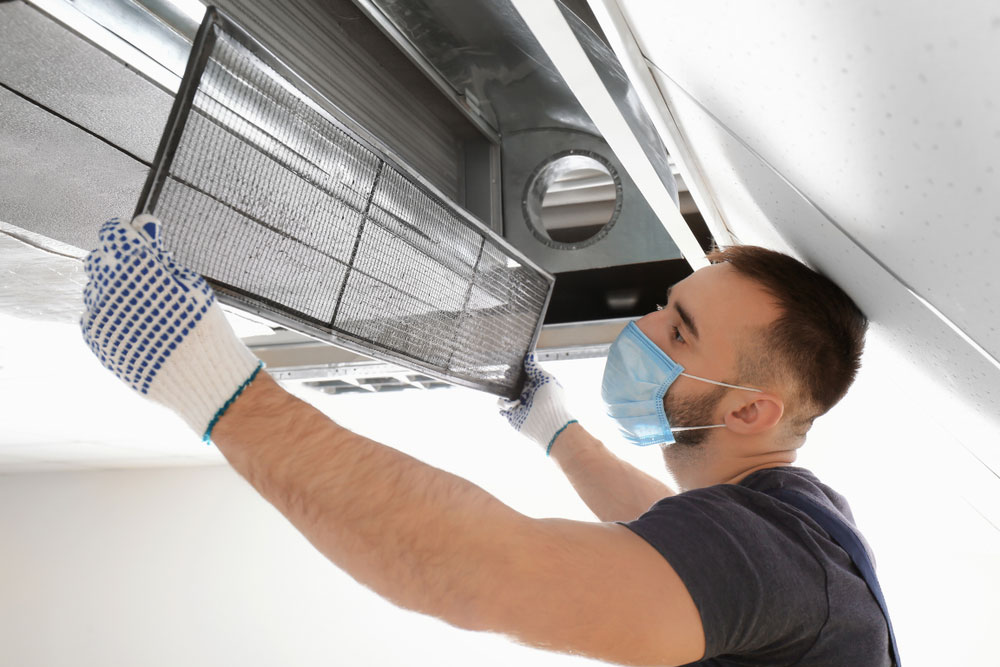
Contaminant Buildup and Health Implications
The accumulation of smoke-related contaminants in ductwork goes beyond just odor. Over time, the sticky residues from tar and nicotine can trap dust, pet dander, mold spores, and other pollutants. This buildup can:
- Reduce HVAC efficiency by restricting airflow.
- Increase the risk of mold growth, as smoke residues can provide a food source for microbes.
- Exacerbate symptoms of sick building syndrome from ducts, including headaches, fatigue, and respiratory irritation.
For families with children, elderly residents, or anyone with asthma or allergies, these risks are especially concerning. Regular duct maintenance is crucial for minimizing exposure to these contaminants.
Cleaning Strategies for Smoke-Impacted Ducts
Removing smoke residues from ductwork requires more than a simple dusting or vacuuming. Here are some effective approaches:
- Professional duct cleaning: Experts use specialized equipment to dislodge and extract sticky residues and trapped particles.
- Advanced filtration: Installing HEPA filters or air scrubbers can help capture smoke particles before they settle in ducts.
- Odor neutralization: Some cleaning services use ozone or other treatments to break down odor-causing molecules.
For those interested in tackling duct cleaning themselves, this step-by-step guide to cleaning air ducts yourself provides practical tips and safety considerations. However, for severe smoke contamination, professional help is often recommended for best results.
Preventive Measures for Maintaining Clean Ducts
Prevention is always more effective than remediation. To minimize the negative effects of smoke on ductwork, consider these strategies:
- Smoke outdoors: Avoid smoking inside to prevent contaminants from entering the HVAC system.
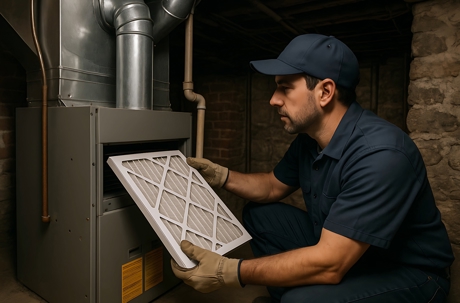
- Regular filter changes: Replace HVAC filters frequently, especially if smoking occurs indoors.
- Routine inspections: Schedule periodic duct inspections to identify and address buildup early.
- Use advanced technologies: Devices such as UV lights can help reduce microbial growth and keep ductwork cleaner. For more information, see the role of UV lights in duct cleanliness.
These preventive steps not only help maintain a fresher indoor environment but also extend the lifespan of your HVAC system.
Long-Term Benefits of Clean Ductwork
Maintaining clean ducts free from smoke residues offers several advantages:
- Improved indoor air quality for all occupants.
- Reduced risk of persistent odors and related complaints.
- Enhanced HVAC efficiency and lower energy costs.
- Decreased likelihood of health issues linked to poor air quality.
For those undergoing home renovations or changes in occupancy, it’s especially important to address any smoke-related contamination. Adopting ways to keep ducts clean during remodeling can help prevent new problems from arising during construction or upgrades.
Frequently Asked Questions
How often should air ducts be cleaned in homes where smoking occurs?
In environments where indoor smoking is common, it’s recommended to have ducts professionally cleaned every 1–2 years. This helps remove sticky residues and trapped particles that standard filters may miss.
Can air purifiers eliminate smoke odors from ductwork?
While air purifiers with HEPA filters can reduce airborne smoke particles, they may not fully remove odors embedded in duct linings. Combining air purification with thorough duct cleaning is the most effective approach.
Is it possible to clean smoke residue from ducts without professional help?
DIY cleaning can help with surface dust and some contaminants, but removing sticky tar and nicotine residues typically requires specialized equipment and expertise. For severe cases, professional duct cleaning services are strongly advised.
Conclusion
The presence of smoke in indoor environments has a significant effect on duct cleanliness and air quality. By understanding how contaminants accumulate and taking proactive steps to address them, homeowners and facility managers can maintain a healthier, fresher living space. Regular maintenance, advanced filtration, and preventive measures are key to minimizing the long-term effects of smoke on ventilation systems.