Indoor air quality is a crucial factor in maintaining good health, especially when it comes to preventing respiratory illnesses. Many people spend the majority of their time indoors, making the air they breathe at home and at work a top priority. The role of HVAC systems in reducing airborne contaminants and supporting respiratory wellness is more significant than ever. Understanding how heating, ventilation, and air conditioning can help minimize the risk of disease transmission is essential for anyone looking to create a healthier indoor environment.
From proper filtration to regular maintenance, several strategies can be implemented to ensure your HVAC setup is working to protect you and your family. If you’re interested in practical steps for cleaner air, you’ll find actionable advice throughout this article. For those managing multi-zone systems, learning how to clean a multi zone HVAC system can further enhance your efforts.
Why Indoor Air Quality Matters for Respiratory Health
The air inside buildings can contain a mix of dust, pollen, mold spores, bacteria, and viruses. Poor air quality is linked to a range of respiratory problems, from allergies and asthma to more serious infections. HVAC systems play a central role in circulating and filtering this air, which can either help prevent or contribute to the spread of respiratory diseases.
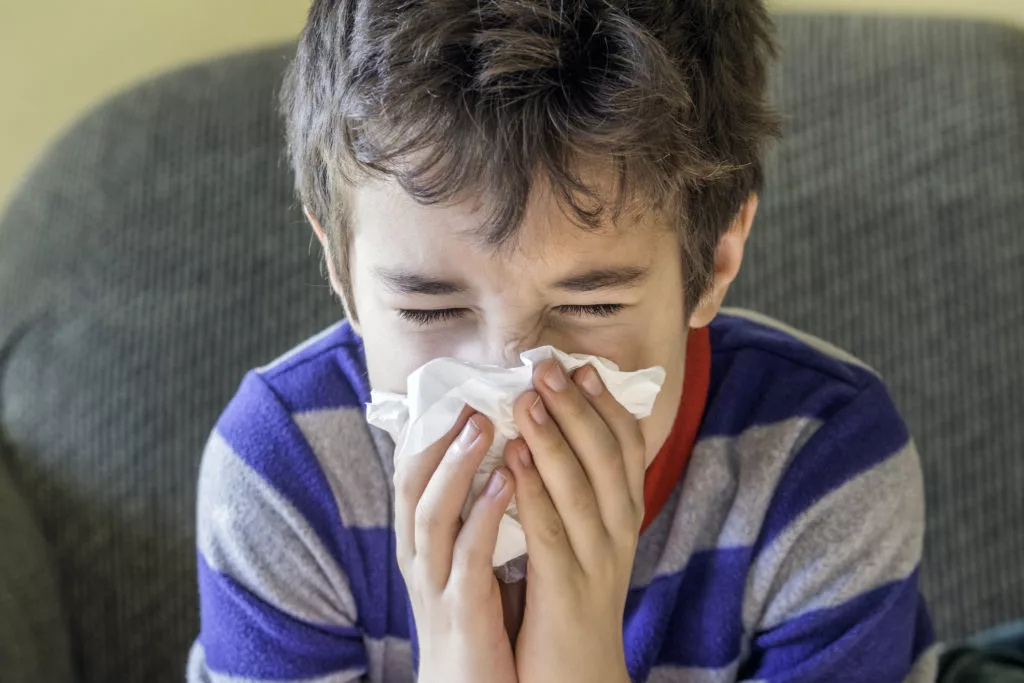
Common symptoms of bad indoor air include coughing, sneezing, headaches, and fatigue. In offices and homes with inadequate ventilation or dirty filters, these issues are more likely to occur. According to signs of bad indoor air quality, addressing these problems early can make a significant difference in comfort and health.
How HVAC Systems Influence Respiratory Disease Prevention
Modern HVAC systems are designed to do more than just heat or cool a space. They are also responsible for controlling humidity, filtering out particulates, and ensuring adequate ventilation. Each of these functions contributes to reducing the risk of respiratory infections and allergies.
- Air Filtration: High-efficiency filters, such as HEPA or electrostatic models, trap fine particles including allergens and pathogens.
- Ventilation: Proper airflow dilutes indoor contaminants and brings in fresh air, lowering the concentration of airborne germs.
- Humidity Control: Keeping humidity between 30% and 50% discourages the growth of mold and dust mites, both of which can trigger respiratory symptoms.
Key Features of HVAC Systems That Support Clean Air
When it comes to HVAC and respiratory disease prevention, certain system features are especially valuable. Understanding these can help you make informed decisions about upgrades or maintenance.
- HEPA and Electrostatic Filters: These filters are capable of capturing up to 99.97% of particles as small as 0.3 microns, including many bacteria and viruses.
- UV-C Light Technology: Some advanced HVAC units incorporate ultraviolet light to neutralize airborne pathogens as air passes through the system.
- Smart Ventilation Controls: Automated systems can adjust airflow based on occupancy or air quality sensors, ensuring optimal ventilation at all times.
- Humidity Sensors: Integrated sensors help maintain ideal moisture levels, reducing the risk of mold growth and respiratory irritation.
For those with wood stoves or alternative heating, keeping vents clear is also important. Learn more about how to clean a wood stove vent to avoid buildup that can affect air quality.
Best Practices for Maintaining Your HVAC System
Regular maintenance is one of the most effective ways to ensure your HVAC system continues to protect against respiratory hazards. Here are some essential steps:
- Change Filters Frequently: Replace or clean filters every 1–3 months, or as recommended by the manufacturer.
- Schedule Professional Inspections: Have your system checked at least once a year to catch issues like leaks, mold, or mechanical failures.
- Clean Ductwork: Dust, debris, and even pests can accumulate in ducts, so periodic cleaning is important. If you’ve experienced a leak, see advice on how to remove charcoal dust from vents.
- Monitor Humidity: Use a hygrometer to ensure your indoor humidity stays within a healthy range.
- Address Mold Promptly: If you notice musty odors or visible mold, use an anti-mold spray and consult a professional if needed.
For homes with heat recovery ventilators, knowing how to clean an HRV filter can further improve air quality and system efficiency.

Common Mistakes That Can Compromise Air Quality
Even with a high-quality HVAC system, certain oversights can undermine your efforts to maintain clean air and prevent respiratory issues. Here are some pitfalls to avoid:
- Neglecting Filter Changes: Dirty filters not only reduce airflow but can also become breeding grounds for bacteria and mold.
- Blocking Vents: Furniture or drapes that obstruct vents can disrupt air circulation and lead to uneven temperatures and higher contaminant levels.
- Ignoring Unusual Odors or Noises: These can be early signs of mold, pests, or mechanical problems that need immediate attention.
- Skipping Duct Cleaning: Over time, ducts can accumulate dust, allergens, and even animal droppings, all of which can be recirculated into living spaces.
For those using shop vacs for maintenance, see tips on how to use a shop vac for vent suction to ensure thorough cleaning.
FAQ: HVAC Systems and Respiratory Health
How often should HVAC filters be replaced to reduce respiratory risks?
Most experts recommend changing filters every 1–3 months, but this can vary based on the type of filter, system usage, and whether there are pets or allergy sufferers in the home. High-efficiency filters may need more frequent checks to maintain optimal performance.
Can HVAC systems help prevent the spread of viruses?
Yes, when equipped with high-efficiency filters and proper ventilation, HVAC systems can capture many airborne particles, including some viruses. However, no system can eliminate all risk, so combining HVAC improvements with good hygiene and cleaning practices is best.
What are signs that my HVAC system is affecting my respiratory health?
Common indicators include increased allergy symptoms, frequent coughing or sneezing indoors, visible dust buildup, musty odors, and inconsistent temperatures. If you notice these issues, inspect your system and consider professional maintenance.
Conclusion: Making Your Indoor Air Safer
Taking steps to improve your HVAC system’s performance is a practical way to support respiratory health and reduce the risk of disease transmission. By choosing the right filters, maintaining your system, and staying alert to signs of poor air quality, you can create a safer and more comfortable indoor environment for everyone. Remember, a proactive approach to air quality pays off in both comfort and long-term health.