Keeping your wood stove vent clean is crucial for both safety and efficiency. Over time, soot, creosote, and debris can build up in the vent, increasing the risk of chimney fires and reducing the performance of your stove. Regular maintenance not only helps prevent dangerous situations but also extends the life of your heating system. In this guide, you’ll find practical steps and essential safety advice for maintaining your wood stove vent.
Before diving into the cleaning process, it’s helpful to understand the importance of vent maintenance. A blocked or dirty vent can lead to poor air quality, smoke backdrafts, and even carbon monoxide buildup in your home. If you’ve noticed unusual black dust or residue around your vents, you may want to learn more about how to identify black dust around vents and its causes, as this can be an early sign of vent issues.
Why Regular Vent Cleaning Matters
A well-maintained wood stove vent ensures that smoke and gases are safely expelled from your home. When neglected, vents can accumulate creosote, a highly flammable byproduct of burning wood. This buildup is a leading cause of chimney fires. Additionally, a clean vent improves airflow, making your stove more efficient and reducing heating costs.
Routine cleaning also helps prevent blockages caused by animal nests, leaves, or other debris. These obstructions can force smoke back into your living space, posing health risks and damaging your stove.
Essential Tools and Safety Equipment
Before starting, gather the necessary tools and safety gear. Proper preparation makes the process smoother and helps protect you from dust and hazardous particles.
- Chimney brush sized for your vent
- Flexible extension rods
- Shop vacuum with HEPA filter
- Drop cloths or tarps
- Protective gloves and safety goggles
- Dust mask or respirator
- Flashlight
- Screwdriver or wrench (for vent covers)
Wearing a dust mask and goggles is especially important, as cleaning can release fine particles and allergens. For added air quality protection during and after cleaning, consider using a HEPA air scrubber.
Step-by-Step Guide: Cleaning Your Wood Stove Vent
Follow these steps to safely and effectively clean your wood stove vent:
- Turn off and cool the stove: Ensure the stove is completely cold before starting. Remove any remaining ashes from the firebox.
- Protect your space: Lay drop cloths around the stove and vent area to catch falling soot and debris.
- Access the vent: Remove the vent cover or pipe section as needed. Use a flashlight to inspect the inside for buildup or blockages.
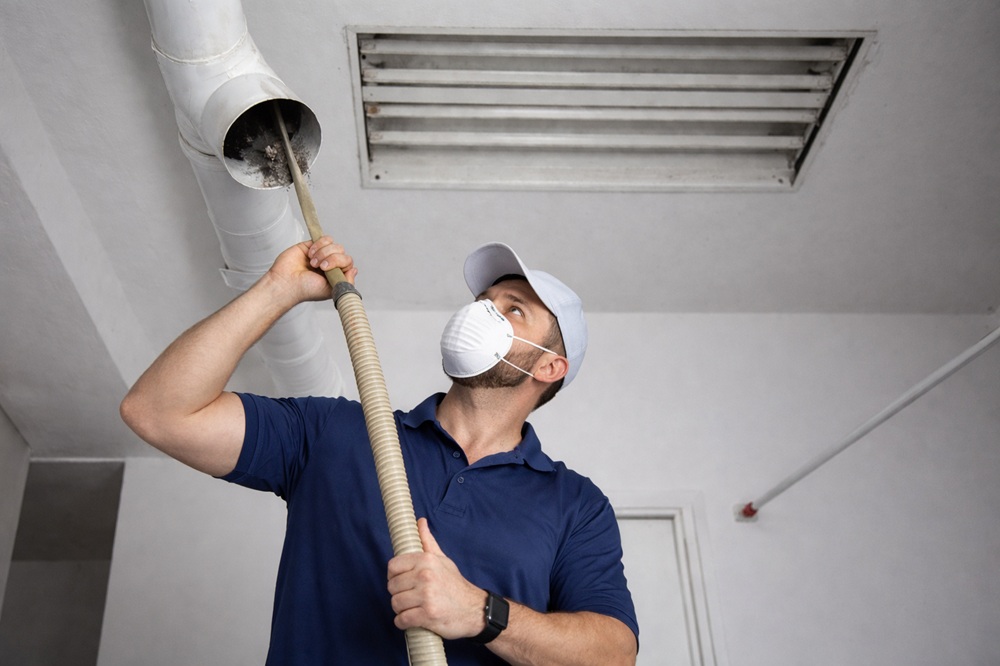
- Brush the vent: Attach the chimney brush to the extension rods and carefully scrub the inside of the vent, working from the stove end upward. For longer vents, add rods as needed to reach the entire length.
- Vacuum debris: Use a shop vacuum with a HEPA filter to collect loosened soot and creosote. Pay extra attention to the base of the vent and the area around the stove connection.
- Clean vent covers and connections: Wipe down all removable parts before reinstalling them.
- Final inspection: Check for any remaining residue or blockages. Ensure all connections are secure before using the stove again.
How Often Should You Clean Your Stove Vent?
The frequency of cleaning depends on how often you use your wood stove and the type of wood you burn. As a general rule, inspect and clean the vent at least once a year, preferably before the heating season begins. If you use your stove daily or burn resinous woods like pine, more frequent cleaning may be necessary.
Look for warning signs such as reduced draft, visible soot around the vent, or a strong smoky odor. These indicate it’s time for maintenance. For more tips on keeping other ventilation systems clean, see advice on how to clean a condo air exchange system.
Safety Precautions During Cleaning
Safety should always be your top priority when working with wood stove vents. Here are some important precautions:
- Always let the stove cool completely before starting.
- Wear gloves, goggles, and a dust mask to protect against soot and allergens.
- Ensure proper ventilation in the room while cleaning.
- Never use water to clean inside the vent, as moisture can cause rust and damage.
- Dispose of creosote and soot in a metal container, away from combustible materials.
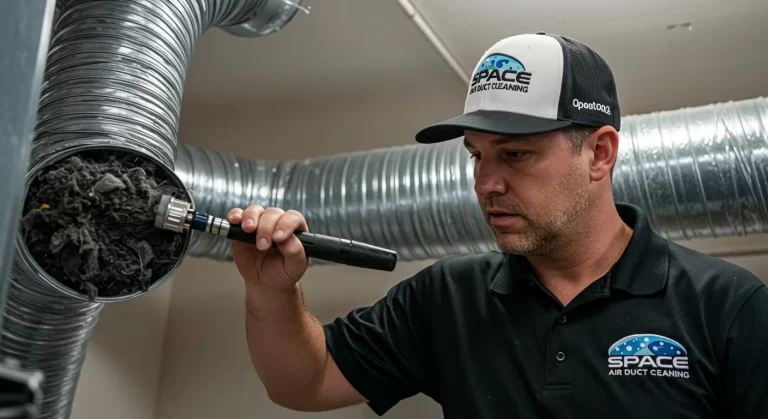
If you encounter stubborn buildup or suspect a blockage you can’t clear, contact a professional chimney sweep. They have specialized tools and experience to handle severe creosote deposits safely.
Tips for Preventing Creosote Buildup
Reducing creosote formation makes cleaning easier and lowers fire risk. Here are some effective strategies:
- Burn only seasoned hardwoods, which produce less creosote than softwoods.
- Keep stove air vents open to maintain a hot, efficient fire.
- Avoid burning wet or green wood, as it creates more smoke and residue.
- Have your stove and vent professionally inspected annually.
Regularly monitoring your vent and following these tips can help you maintain a safer, more efficient heating system.
Additional Resources for Vent and Duct Cleaning
If you’re interested in learning more about duct and vent maintenance, there are many resources available. For example, you can find a detailed overview of how to clean air ducts safely and effectively from reputable sources. Staying informed helps you make the best decisions for your home’s air quality and safety.
For those with other ventilation systems, you may also want to read about how to clean a mini split head vs ducts or how to clean a whole house fan for fresh airflow throughout your home.
Frequently Asked Questions
What are the signs that my wood stove vent needs cleaning?
Common indicators include a noticeable decrease in stove efficiency, smoke backing up into the room, a strong smoky odor, or visible soot and residue around the vent. If you see black dust or experience poor draft, it’s time to clean.
Can I use household cleaning products inside my wood stove vent?
No, avoid using household cleaners or water inside the vent. These can cause corrosion and may leave behind flammable residues. Stick to mechanical cleaning with a chimney brush and vacuum for best results.
Is it safe to clean the vent myself, or should I hire a professional?
Many homeowners can safely clean their wood stove vents with the right tools and precautions. However, if you encounter heavy creosote buildup, blockages, or are unsure about the process, it’s best to consult a certified chimney sweep for a thorough and safe cleaning.
How can I reduce the amount of creosote in my vent?
Burning only dry, seasoned hardwood, keeping the stove well-ventilated, and avoiding smoldering fires are effective ways to minimize creosote buildup. Regular inspections and cleanings are also key.
Maintaining your wood stove vent is essential for safety and efficiency. By following these steps and staying proactive about cleaning, you can enjoy reliable, safe heating all season long.