Pet owners know that fur can find its way into every corner of a home—including the air vents. When pet hair accumulates in your HVAC system, it can reduce air quality, trigger allergies, and force your system to work harder. Learning how to remove pet hair from air vents is essential for maintaining a healthy indoor environment and keeping your heating and cooling systems running efficiently.
This guide covers practical steps, tools, and tips for tackling pet hair in vents. You’ll also find advice on prevention, maintenance, and when to consider professional help. For those interested in broader ductwork care, you may want to read about how to clean insulated ductwork safely for additional insights.
Why Pet Hair Collects in Air Vents
Pets shed hair and dander throughout the year. This debris gets pulled into your home’s ventilation system whenever your HVAC runs. Over time, fur can cling to vent covers, duct walls, and filters. The result is a gradual buildup that can:
- Block airflow, reducing system efficiency
- Spread allergens and odors
- Increase dust and cleaning needs
- Potentially damage sensitive HVAC components
Understanding these risks is the first step toward effective removal and prevention.
Essential Tools for Removing Pet Hair from Vents
Before starting, gather the right supplies. The following tools make the job easier and more effective:
- Vacuum with hose attachment: A vacuum with a brush or crevice tool is ideal for loosening and sucking up fur.
- Microfiber cloths or dusters: These trap fine hair and dust without scattering it.
- Soft-bristle brush: Useful for scrubbing vent covers and reaching inside ducts.
- Screwdriver: Needed for removing vent covers.
- Disposable gloves: Keep your hands clean and protected.
- HEPA air scrubber (optional): For those with allergies or lots of pets, a HEPA scrubber can help filter airborne particles during and after cleaning.
Step-by-Step Guide: Cleaning Pet Hair from Air Vents
Follow these steps to clear fur from your vents quickly and safely:
- Turn off your HVAC system to prevent air from blowing hair around while you clean.
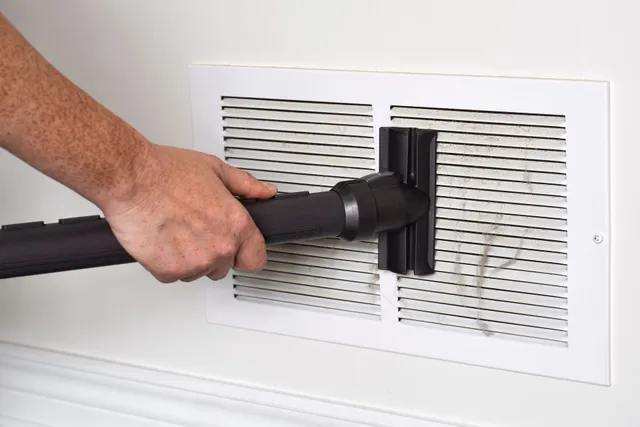
- Remove vent covers using a screwdriver. Place them on a towel or in a sink for cleaning.
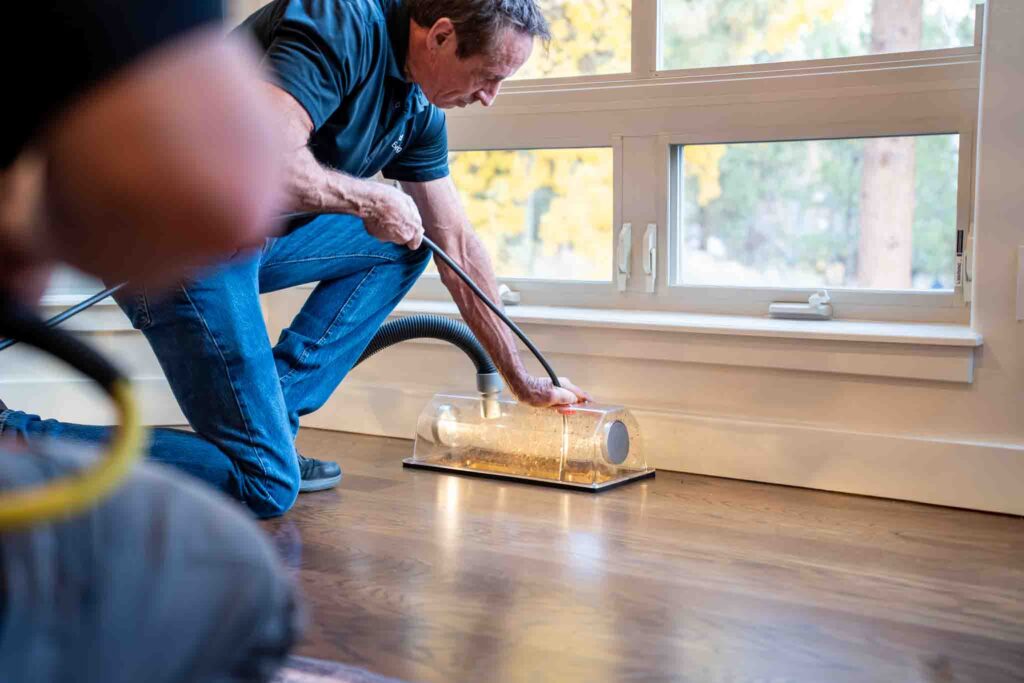
- Vacuum inside the ducts as far as your hose can reach. Use the brush attachment to loosen stubborn hair.
- Wipe vent covers with a damp microfiber cloth or wash them with soap and water. Let them dry completely before reinstalling.
- Brush and dust inside the vent opening to catch any remaining fur.
- Replace vent covers and turn your HVAC system back on.
Advanced Tips for Stubborn Pet Hair in Ducts
Sometimes, hair gets lodged deep inside ductwork or clings to textured surfaces. If you’re dealing with persistent buildup, try these strategies:
- Use a flexible dryer vent brush to reach further into ducts and dislodge trapped fur.
- Apply a damp cloth to the brush to help capture fine particles as you pull it back out.
- Consider professional duct cleaning if you notice heavy buildup, musty odors, or reduced airflow. Professionals use negative air machines and specialized tools for a thorough job. Learn more about the understanding the negative air pressure method for duct cleaning.
Preventing Pet Hair Buildup in Air Vents
Regular cleaning is important, but prevention can save you time and effort. Here are some effective ways to minimize fur in your ventilation system:
- Groom pets frequently to reduce shedding. Brushing your pet outside or in a designated area keeps loose hair from circulating indoors.
- Use high-quality air filters—preferably HEPA-rated—to trap more pet hair and dander before it enters your ducts.
- Vacuum floors and furniture regularly, especially near vents and returns.
- Install vent filters or mesh screens over registers to catch fur before it enters the system.
- Schedule annual duct inspections to catch issues early and maintain good air quality.
For more on keeping your ducts clean during home changes, see these ways to keep ducts clean during remodeling.
When to Call a Professional for Pet Hair Removal
While most homeowners can handle routine cleaning, there are times when expert help is needed:
- Heavy or persistent buildup that doesn’t respond to home cleaning methods
- Signs of mold, mildew, or pests inside ducts
- Unexplained allergy symptoms or respiratory issues among household members
- Reduced HVAC performance or rising energy bills
Professional duct cleaners use powerful vacuums, agitation tools, and sometimes UV lights to maintain duct cleanliness. For more information on when professional cleaning is necessary, the EPA provides guidance on air duct cleaning and indoor air quality.
Maintaining Healthy Air Quality After Cleaning
Once you’ve cleared pet hair from your vents, keep your indoor air fresh by:
- Changing HVAC filters every 1–3 months, or as recommended by the manufacturer
- Running a HEPA air scrubber during heavy shedding seasons or after deep cleaning
- Monitoring for symptoms of sick building syndrome from ducts, such as headaches or allergies. Learn more about symptoms of sick building syndrome from ducts.
- Keeping pets clean and well-groomed to minimize future shedding
Consistent maintenance not only improves comfort but also extends the life of your HVAC system.
Frequently Asked Questions
How often should I clean air vents if I have pets?
For homes with pets, it’s best to clean vent covers and accessible duct areas every 2–3 months. If your pets shed heavily, monthly cleaning may be necessary. Regular filter changes and vacuuming around vents also help control buildup.
Can I use a lint roller or tape to remove pet hair from vents?
Yes, lint rollers and sticky tape can help pick up surface hair from vent covers. However, they are less effective for hair deeper inside ducts. For thorough cleaning, combine these tools with a vacuum and brush.
Are vent filters effective for trapping pet hair?
Vent filters or mesh screens can catch a significant amount of fur before it enters your HVAC system. They are especially useful in homes with multiple pets. Remember to check and replace or clean vent filters regularly to maintain airflow.