Construction projects, whether major renovations or minor updates, often leave behind more than just visible dust and debris. One of the most overlooked areas affected by construction is the HVAC system, particularly the vents and ductwork. If not addressed, leftover debris in these areas can compromise indoor air quality, reduce system efficiency, and even trigger health issues for building occupants. Understanding how to remove construction debris from vents is essential for maintaining a healthy and efficient home or commercial space.
Before diving into the cleaning process, it’s important to recognize that construction dust and debris can include drywall particles, sawdust, insulation fibers, and even small hardware. These contaminants can settle deep within the ductwork, making thorough cleaning a necessity. For those interested in broader ductwork maintenance, you may also want to explore how to clean insulated ductwork safely for additional tips on keeping your HVAC system in top shape.
Why Construction Debris in Vents Is a Serious Concern
When construction dust and debris accumulate inside vents, they can cause a range of problems. Not only do these particles restrict airflow, but they can also circulate throughout your living or working space, leading to respiratory issues and allergies. In severe cases, the buildup can even damage HVAC components, resulting in costly repairs. Addressing this issue promptly is crucial for both health and system performance.
Preparation: What You Need Before Starting
Before tackling the task of cleaning construction debris from your vents, gather the following tools and supplies:
- Vacuum with HEPA filter – Essential for capturing fine dust and particles.
- Stiff-bristled brush or duct cleaning brush
- Microfiber cloths
- Screwdriver (for removing vent covers)
- Protective gear (gloves, mask, and safety glasses)
- Bucket with mild detergent (for washing vent covers)
For larger projects or persistent dust, consider using a HEPA air scrubber to further improve air quality during and after cleaning.
Step-by-Step Guide to Clearing Construction Debris From Vents
Follow these steps to ensure a thorough and effective cleaning process:
1. Turn Off the HVAC System
Always start by switching off your heating or cooling system. This prevents dust from circulating while you work and ensures safety.
2. Remove and Clean Vent Covers
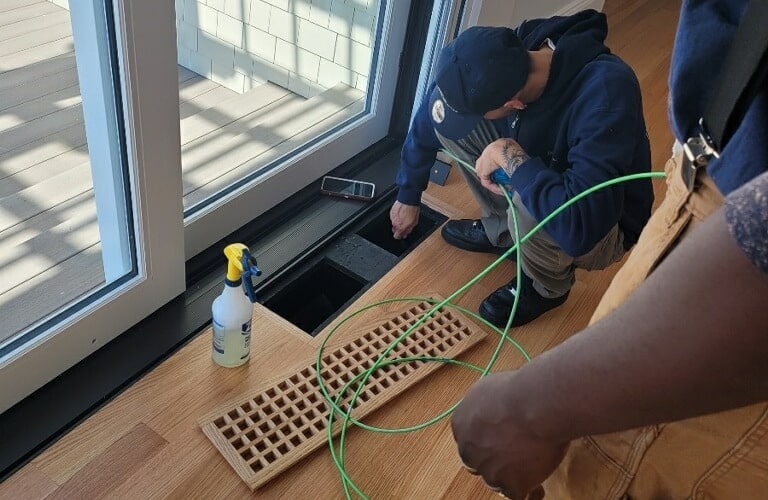
Use a screwdriver to gently remove vent covers. Place them in a bucket of warm, soapy water and scrub away any visible dust or debris. Allow them to dry completely before reinstalling.
3. Vacuum Inside the Duct Openings
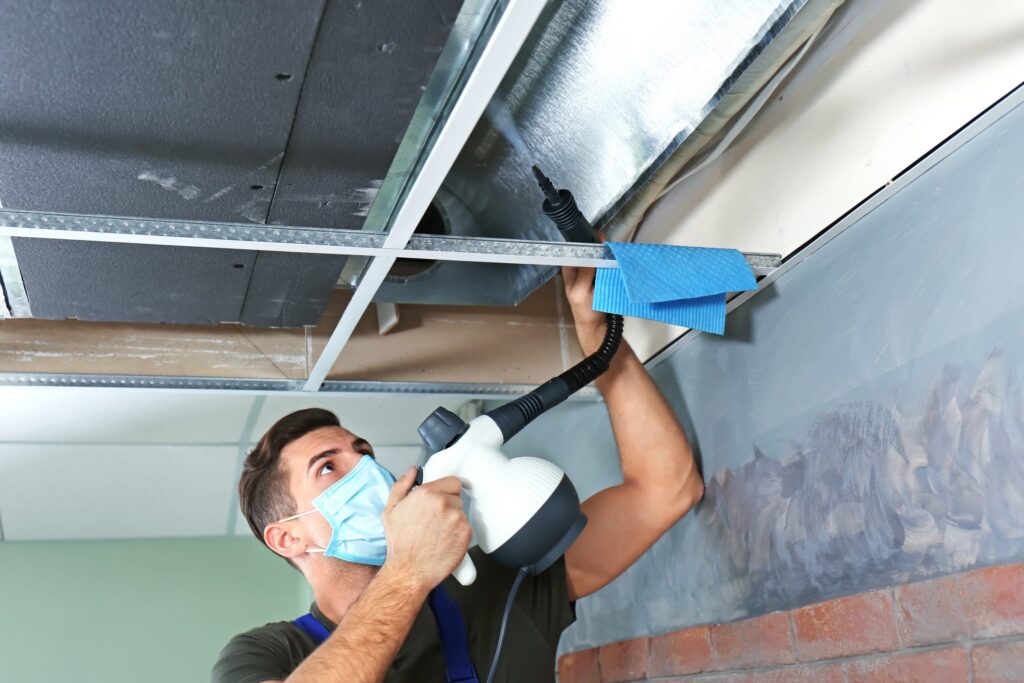
Using a vacuum equipped with a HEPA filter, carefully vacuum inside each duct opening. A hose attachment or a brush tool can help dislodge stubborn debris. Move slowly to ensure you capture as much dust as possible.
4. Brush and Wipe Down Accessible Areas
For areas the vacuum can’t reach, use a stiff-bristled brush to loosen debris, then wipe with a microfiber cloth. Be gentle to avoid damaging duct surfaces.
5. Inspect for Remaining Debris
Shine a flashlight into the ducts to check for any lingering dust or construction material. Repeat vacuuming and brushing as needed until the area appears clean.
6. Replace Vent Covers and Restore Power
Once you’re satisfied with the cleanliness, reinstall the vent covers and turn the HVAC system back on. Monitor airflow and listen for unusual noises that might indicate leftover debris.
Advanced Methods for Deep Cleaning
For extensive construction projects or if you notice persistent dust, you may need to go beyond basic cleaning. Professional duct cleaning services use specialized equipment, such as negative air pressure machines and rotary brushes, to remove deeply embedded debris. If you’re interested in learning about these advanced techniques, consider reading about the understanding the negative air pressure method for a more technical overview.
Additionally, using UV lights in your HVAC system can help maintain duct cleanliness by neutralizing bacteria and mold spores. For more information, see the article on the role of UV lights in duct cleanliness.
Tips to Prevent Construction Debris From Entering Vents
- Seal vents with plastic sheeting and painter’s tape before starting any construction work.
- Ask contractors to use dust barriers and negative air machines during the project.
- Schedule a thorough cleaning of the work area before removing vent covers.
- Replace HVAC filters immediately after construction is complete.
For more strategies on maintaining clean airways during renovations, see these ways to keep ducts clean during remodeling.
When to Call a Professional
While many homeowners can handle minor cleaning themselves, certain situations call for expert help. If you notice persistent dust, musty odors, or signs of mold, it’s best to contact a professional duct cleaning service. They have the tools and expertise to safely and thoroughly remove all contaminants.
For a detailed guide on DIY duct cleaning, check out this step-by-step resource for cleaning heating and air conditioning ducts yourself.
Health and Safety Considerations
Construction debris in vents can contribute to poor indoor air quality, which may trigger allergies, asthma, or other respiratory issues. If you or anyone in your household experiences symptoms such as coughing, sneezing, or headaches after a renovation, consider reading about the symptoms of sick building syndrome from ducts to better understand potential risks.
Always wear protective gear when cleaning vents, and ensure the area is well-ventilated. If you suspect the presence of hazardous materials like asbestos or lead, do not attempt to clean the ducts yourself—contact a certified professional immediately.
Frequently Asked Questions
How often should vents be cleaned after construction?
It’s best to clean vents immediately after any construction or remodeling project. For ongoing maintenance, inspect and clean vents at least once a year, or more frequently if you notice dust buildup or reduced airflow.
Can I use a regular vacuum to clean construction debris from vents?
A standard vacuum may not effectively capture fine construction dust and can even blow particles back into the air. For best results, use a vacuum with a HEPA filter designed to trap small particles.
Is it necessary to replace HVAC filters after construction?
Absolutely. Construction debris can quickly clog filters, reducing system efficiency and air quality. Always replace your HVAC filters after any renovation or construction work.
What are signs that debris is still present in the vents?
Common indicators include persistent dust on surfaces, musty odors when the system runs, reduced airflow, or unusual noises from the ductwork. If these issues persist after cleaning, consider a professional inspection.