When considering a professional to examine your air ducts, knowing the right duct camera inspection questions to ask can make a significant difference. A thorough inspection helps identify hidden issues such as blockages, mold, or leaks that could affect your indoor air quality and HVAC efficiency. However, not all providers offer the same level of service, technology, or transparency. Being prepared with targeted questions ensures you get the most value and clarity from your investment.
Before you schedule an appointment, it’s helpful to understand what to expect from the process and what distinguishes a reliable inspection service from a basic visual check. By asking the right questions, you can assess a provider’s expertise, the quality of their equipment, and their commitment to honest reporting. For further insights into real-world applications, you can review duct camera inspection case studies to see how these services have helped other homeowners and businesses.
Key Questions for Duct Camera Inspection Services
Not all duct inspections are created equal. To ensure you’re getting a comprehensive assessment, use these essential questions as a checklist when evaluating potential providers.
What Type of Camera Equipment Do You Use?
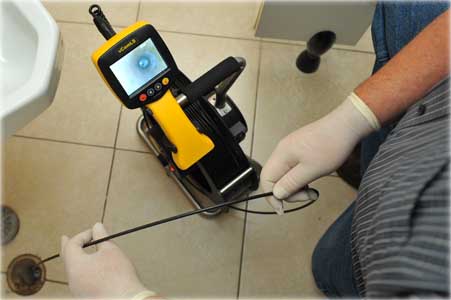
The quality of the camera system directly impacts the accuracy and detail of the inspection. Ask if the provider uses high-resolution, flexible cameras capable of navigating tight bends and long duct runs. Some companies may use basic borescopes, while others invest in advanced robotic or push-rod cameras with recording capabilities. The more sophisticated the equipment, the more likely you are to receive clear visuals and thorough documentation.
How Will the Inspection Footage Be Shared With Me?
A reputable provider should offer to share video or photo evidence of the duct interior. Clarify whether you’ll receive a digital copy of the footage, a live walkthrough, or a detailed report with annotated images. This transparency helps you understand the findings and make informed decisions about any recommended cleaning or repairs.
Are Your Technicians Certified and Experienced?
Experience and training matter when it comes to identifying subtle issues inside ductwork. Ask about the certifications held by the technicians, such as NADCA (National Air Duct Cleaners Association) membership or other relevant credentials. An experienced inspector is more likely to spot early signs of mold, pest infestations, or structural problems that less trained eyes might miss.
Evaluating Service Scope and Inspection Depth
Understanding the full scope of the inspection helps set expectations and avoid surprises. Here are some additional duct camera inspection questions to ask regarding the process and coverage.
Will the Entire Duct System Be Inspected?
Some providers only check accessible sections, while others offer a full-system review. Make sure to clarify whether the inspection includes all main trunks, branches, returns, and supply vents. A comprehensive approach is essential for detecting hidden issues that could compromise air quality or system performance.
What Problems Can the Camera Detect?
Ask about the types of issues the inspection can reveal. High-quality camera inspections can identify dust buildup, microbial growth, insulation damage, leaks, disconnected sections, and even signs of rodents or insects. Understanding the limitations and strengths of the technology helps you gauge its value.
How Long Does the Process Take?
The duration of a camera inspection can vary based on the size and complexity of your ductwork. Ask for an estimated timeframe so you can plan accordingly. A thorough inspection typically takes between one and three hours for a standard residential system, while larger commercial properties may require more time.
Transparency, Reporting, and Next Steps
After the inspection, clear communication and honest reporting are crucial. Here are more questions to help you evaluate a provider’s transparency and follow-through.
Will You Provide a Written Report With Recommendations?
A professional service should deliver a written or digital report summarizing their findings, complete with images or video stills. This documentation is valuable for your records and helps you understand any recommended actions, such as cleaning, sealing, or repairs.
How Do You Ensure Objectivity in Your Findings?
Some companies may have a vested interest in selling additional services. Ask how the provider maintains objectivity and whether they offer unbiased recommendations based on the actual footage and data collected. You can also consult duct camera inspection myths explained to better understand common misconceptions and ensure you’re getting honest advice.
What Are the Next Steps If Issues Are Found?
Clarify what happens if the inspection reveals problems. Will the provider offer cleaning or repairs, or refer you to a specialist? Understanding the process helps you plan for any necessary follow-up work and ensures you’re not pressured into unnecessary add-ons.
Comparing Providers and Making an Informed Choice
With many companies offering duct inspections, it’s important to compare options based on technology, transparency, and reputation. You might also want to review a guide to selecting a duct camera inspection service for more tips on evaluating providers.
Additionally, consider asking for references or examples of past work. Providers who can demonstrate successful inspections and satisfied customers are more likely to deliver reliable results. If you’re concerned about the relationship between inspection and cleaning, you can learn more by reading about whether duct camera inspection replaces cleaning.
Common Pitfalls and How to Avoid Them
While a camera inspection is a powerful tool, it’s not infallible. Some common mistakes include relying solely on visual checks without proper training, skipping hard-to-reach sections, or failing to document findings. To avoid these pitfalls:
- Always request footage or images as proof of inspection.
- Verify technician credentials and experience.
- Ensure the provider inspects the entire duct system, not just accessible areas.
- Ask for a clear, written report with actionable recommendations.
For a deeper dive into troubleshooting and common issues, consult a duct camera inspection troubleshooting guide.
Additional Resources and Industry Standards
If you want to learn more about the technology and best practices, you can explore resources like the overview of duct camera inspection technology and standards. These resources can help you understand what to expect from a professional service and how to interpret the results.
Frequently Asked Questions
How often should I schedule a duct camera inspection?
Most experts recommend inspecting your ductwork every three to five years, or sooner if you notice signs of poor air quality, persistent dust, or unusual odors. Properties with pets, recent renovations, or a history of moisture issues may benefit from more frequent checks.
Is duct camera inspection necessary if I already have regular duct cleaning?
Yes, inspections and cleanings serve different purposes. While cleaning removes debris and contaminants, a camera inspection identifies hidden damage, leaks, or mold growth that cleaning alone may not address. Combining both ensures optimal system health and efficiency.
Can I perform a duct camera inspection myself?
While consumer-grade inspection cameras are available, professional services use specialized equipment and have the expertise to interpret findings accurately. DIY inspections may miss subtle problems or fail to reach all areas of the ductwork.
Will a camera inspection disrupt my HVAC system?
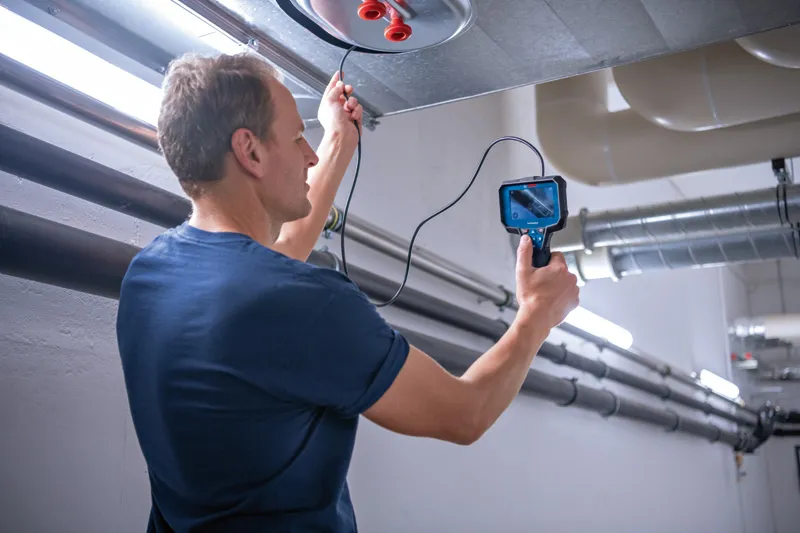
No, the process is non-invasive and does not interfere with your HVAC operation. Technicians insert a flexible camera through access points, allowing for a thorough review without dismantling your system.
By preparing thoughtful duct camera inspection questions to ask, you can confidently select a provider who delivers transparency, accuracy, and peace of mind for your home or business.